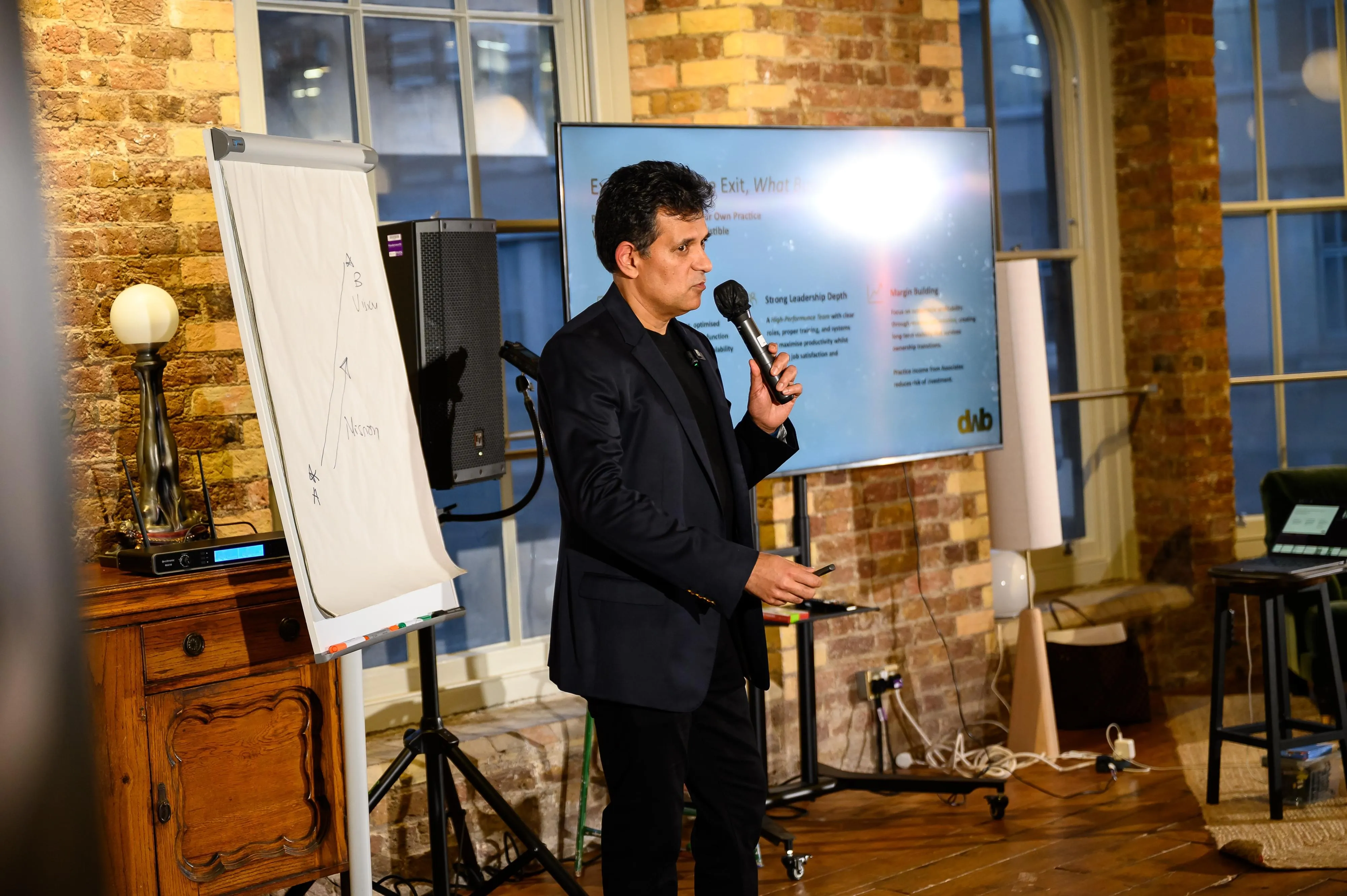




Business coaching for dentists in the UK: what it is, what to expect, and how to choose
By Rahul and Bhavna Doshi. A straightforward look at business coaching for UK dental practice owners, from co-founders who built DWB on their own practice ownership experience.
Business coaching for dentists is not therapy, it is not a course, and it is not the same as consulting. It is a working relationship between a practice owner and a coach whose job is to help the owner lead the practice as a business, not just as a clinician. The best coaching conversations tend to be practical and uncomfortable in roughly equal measure.
Coaching, consulting and mentoring: what is actually different
The three words are often used interchangeably in dentistry. They are not the same.
Coaching
Ongoing. Owner-led agenda. The coach asks questions, helps the owner see the practice more clearly, and holds them to decisions they have made. The owner does most of the work. Best for owners who know roughly what they need to do and need the discipline to actually do it.
Consulting
Project-shaped. Consultant-led agenda. A specific question gets a specific answer with a defined deliverable, usually within a set timeframe. Best for owners who know what the problem is and need expert input to fix it.
Mentoring
Informal. Mentor-led by experience. Someone further along the road talks to someone earlier in the journey. Less structured than coaching, more personal, often free. Best for clinical development or for owners early in their career.
Most practice owners genuinely need some of all three at different stages. A good coaching provider will say honestly when a project is really a consulting conversation, or when a question is better answered by a mentor than by a coach.
What good coaching tends to cover
The specific agenda depends on the practice, but across coaching relationships that work, the areas that come up most are consistent.
What the first few months look like
The early months of a coaching engagement tend to involve more listening than action. A good coach spends the first conversations understanding the practice, the team and the owner, before offering a point of view. Owners sometimes expect week one to produce a plan. The better engagements produce a plan around month two, after the coach has actually seen the business properly.
From there, the rhythm is usually a scheduled session every two to four weeks, with specific commitments between sessions. The owner does the work. The coach holds the line.

What coaching costs in the UK
Dental business coaching fees vary considerably across providers. The most useful question is not what the headline fee is, but what the structure is. One off group programmes are typically the lowest cost per hour but the lowest personalisation. Ongoing one to one engagements cost more per month but tend to produce more change in a single practice. Multi-month structured programmes with a mix of one to one and group content sit in between.
The right question for an owner is not how much is this, it is what does this engagement actually include, and what does the end look like.

How to choose
Four questions tend to separate good coaching providers from the rest.
Who it is for, and who it is not for
Coaching is best suited to owners who have passed the earliest startup phase, have a reasonable sense of the problem, and are prepared to do the work between sessions. It is less useful for owners who have not yet decided whether they want to grow the practice or sell it, and for owners who are looking for someone to fix the practice for them rather than fix it with them.

Case studies from the DWB client base
Rather than describe outcomes in the abstract, the DWB site carries case studies of owners who have been through coaching engagements, in their own words. Among them are Dr Ali Rifai, Dr Philip McCauley, Dr Jatin Patel, and others listed on the case studies page. Each one is an individual result rather than a guarantee, which is why the DWB site publishes them with the owners' names attached.

About DWB
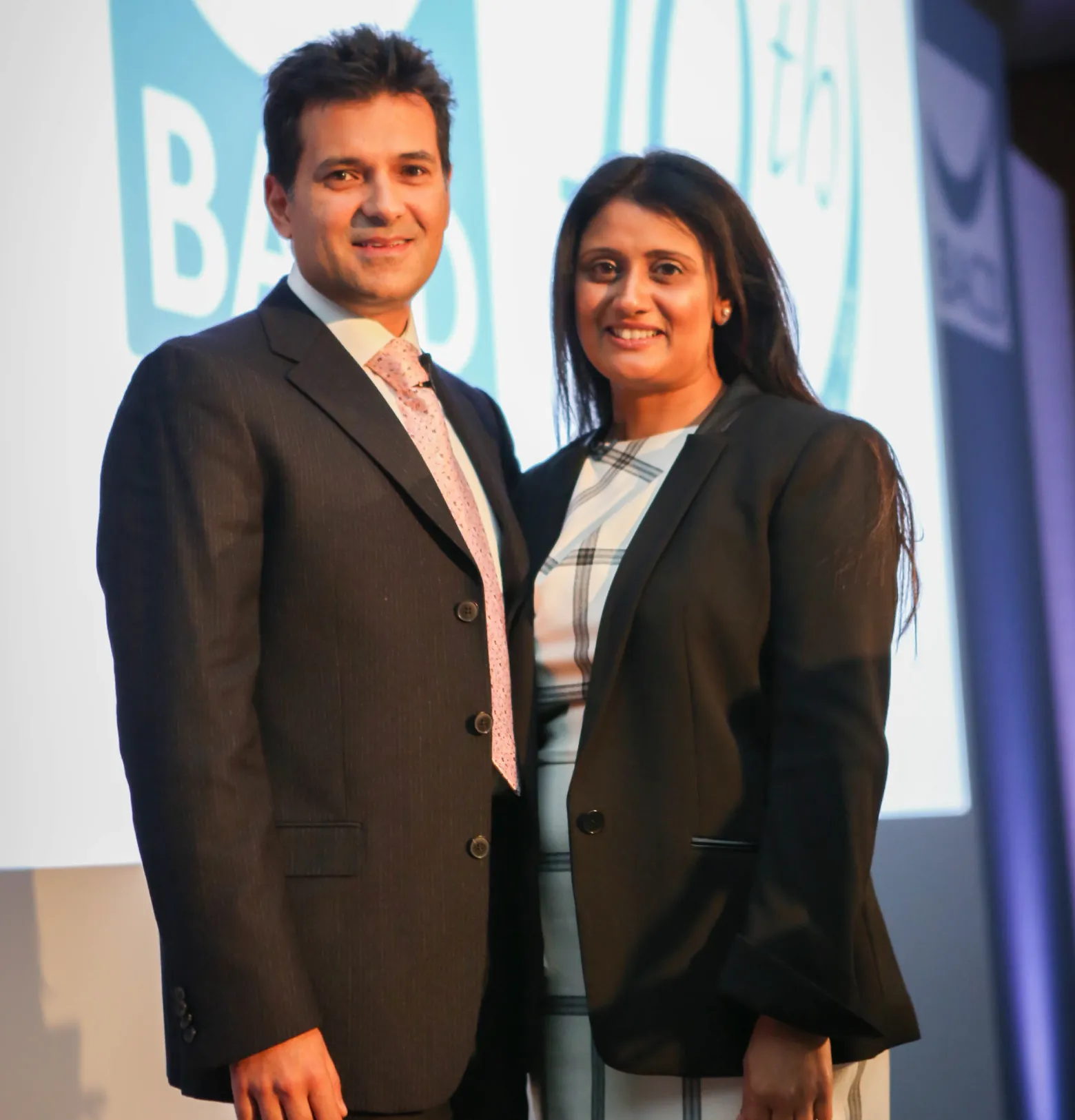
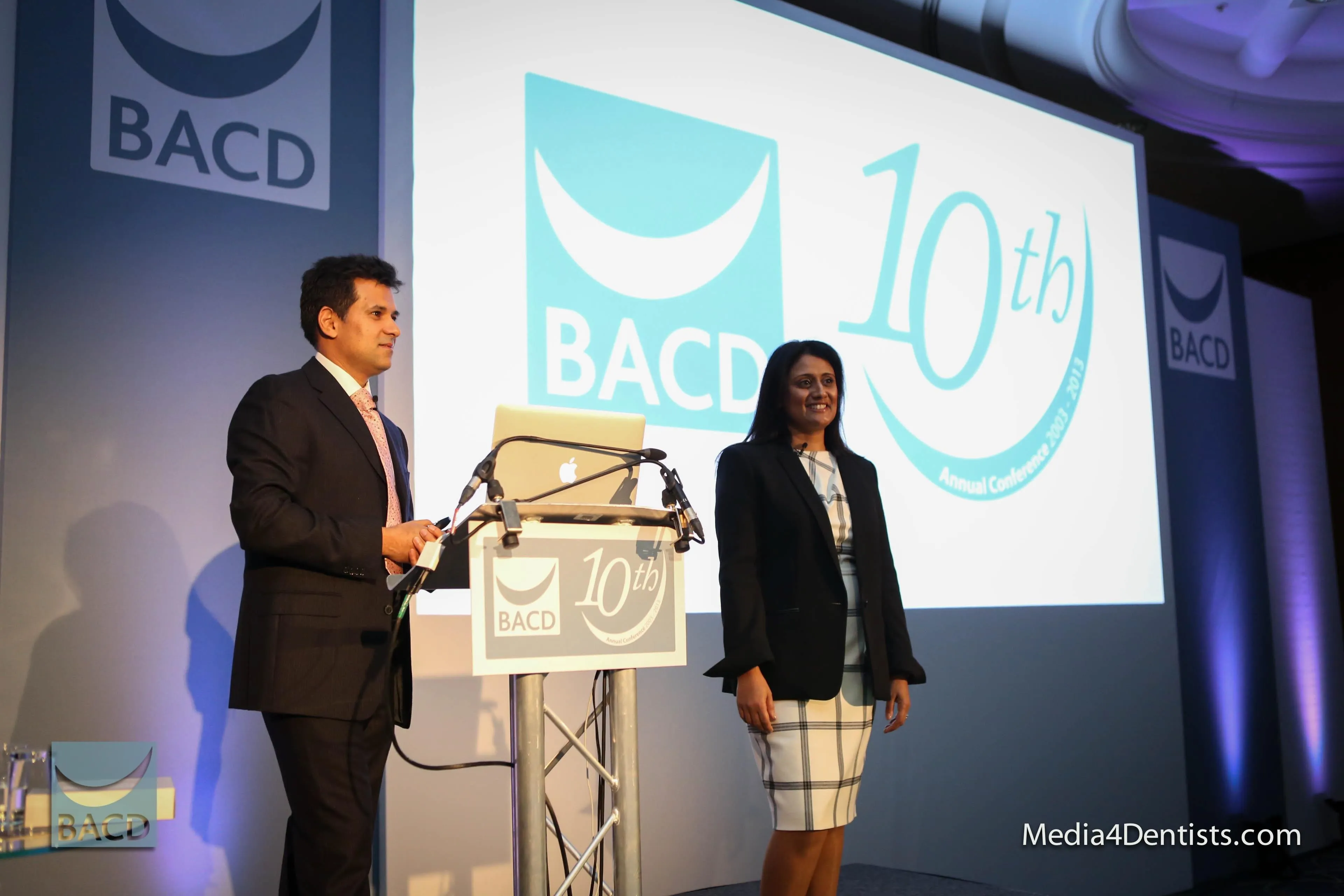
Dental Wealth Builder was founded by Dr Rahul Doshi and Dr Bhavna Doshi, both dental practice owners. Beyond one to one coaching with UK practices, the firm has worked with wider industry partners including Dentex, now part of Portman Dentex, and others listed on the clients page. The team's lectures, media and awards are set out in credentials.

What next
If coaching sounds like the right fit, the useful first conversation is a short honest look at where the practice is and what the real brief would be. If the brief is really a defined project rather than ongoing coaching, consulting is the right starting point. For owners thinking two to five years ahead of an exit, the broader piece on reducing principal dependency is often where the work most meaningfully lands.
For owners whose coaching work is already looking at the next stage, the broader framing lives in succession planning, which starts with three personal decisions before any exit route can really be chosen.
Rahul and Bhavna Doshi, Dental Wealth Builder
Call 01992 878030