A guide for UK practice owners
Dental Business Consultant in the UK: The Complete Guide
What a dental business consultant actually does, how they differ from a coach, where they add the most value, and what to expect on cost and timeline. Written by multi-practice owners Dr Rahul and Dr Bhavna Doshi.
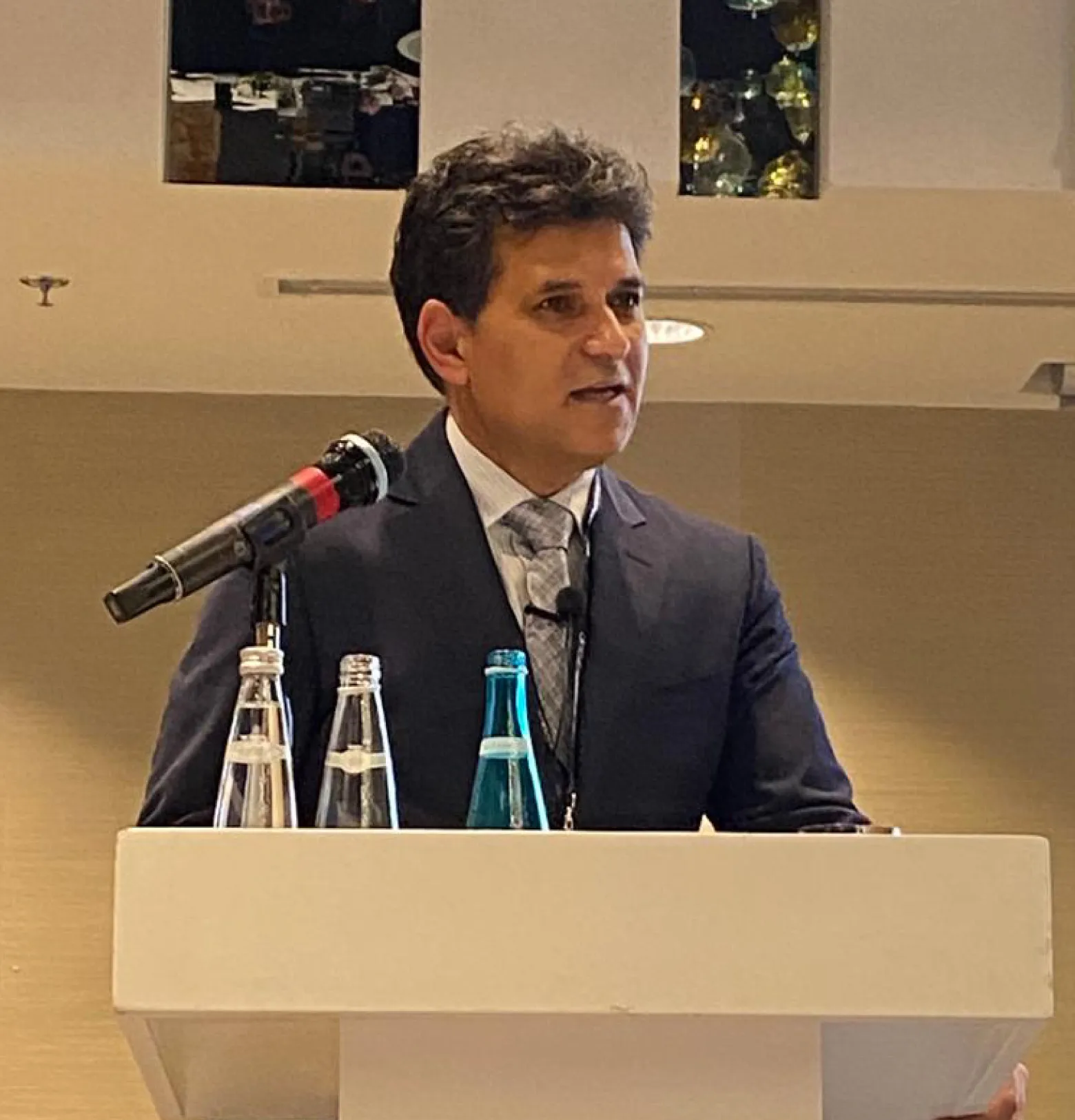
>£225 million
additional profit created across DWB client practices
30 years
experience as owners of group practices
200+
dental practices coached worldwide
What a dental business consultant actually does
- A dental business consultant is a specialist adviser who helps dental practice owners improve the commercial and operational side of their business.
- The focus sits on things dental school never taught: pricing, financial planning, marketing, team structure, patient journey, compliance workflows and preparing the practice for growth, acquisition or sale.
- A good consultant sees patterns across hundreds of practices and brings a view of what works that no single owner, however talented clinically, can build on their own.
- The role is distinct from a dental coach.
- A coach builds capability inside your team over a long engagement.
- A consultant usually comes in on a defined project with a clear outcome: diagnose the problem, recommend the fix and often do the work directly.
- Both have their place. Which one you need depends on what is actually stuck.
- In the UK, dental consulting also has a regulatory dimension.
- GDC registration, CQC inspection, employment law, UDA contracts and private vs NHS economics all shape what good advice looks like.
- A consultant without that context tends to produce generic business advice that falls apart on contact with a real dental practice.

Consultant, coach or mentor: how they differ
The three roles get used interchangeably in dental marketing. In practice they do different work and the right fit depends on the problem you are trying to solve.
| Role | What they do | Typical engagement | Best for |
|---|---|---|---|
| Dental business consultant | Diagnoses a specific commercial or operational problem, produces a recommendation and often implements it. Hands on. | Defined project. Weeks to a few months. | Startups, fee reviews, growth plans, group structure, sale preparation, acquisitions, NHS to private conversion. |
| Dental business coach | Builds leadership, team and operating capability inside the practice. Owner and team do the work with structure and accountability. | Ongoing programme. 12 to 15 months typical. | Owners who want lasting change in how the practice runs rather than one off advice. |
| Dental business mentor | Shares experience and perspective. Less structured, lighter touch. | Quarterly or ad hoc. | Early career dentists and associates who need perspective rather than a plan. |
Most owners use some combination over time. Dental Wealth Builder offers dental practice consulting for discrete projects, business coaching for the long term programme and business mentorship for lighter guidance.
Signs a UK practice owner needs a consultant rather than a coach
If the problem is capability (your team cannot do something they ought to be able to do), coaching is usually the better call. If the problem is a decision, a plan or a transaction, you probably need a consultant. Common triggers:
- You are buying a practice and need to pressure test the financials, the team and the operational model before committing.
- You are selling and want the practice presented in a way that stands up to corporate or group diligence.
- You are converting from NHS to private and need the economics modelled, the patient communication built and the fee structure right.
- You are opening a squat practice from zero and want someone who has done it before to help with site, equipment, team, systems and marketing.
- Your fees have not been reviewed in years and you suspect they are wrong but do not want to raise them blindly.
- You run two or three practices and the systems that worked at one site are breaking at two.
- Something in the P&L has shifted and you cannot explain why.
- You need a growth plan, with numbers, that you can defend to a bank, a partner or yourself.
These are projects, not patterns. A consultant steps in, resolves them and steps back out. If after the work you also want ongoing operational change, that is where a coaching programme usually continues the story.

What a dental business consultant typically works on
Most UK consultants cover some mix of the areas below. Few cover all of them well. When comparing providers, map the specific service to the specific problem you are trying to solve.
Practice growth consulting
Diagnosis of what is actually holding the practice back, usually across six to eight areas (fees, chair utilisation, treatment mix, team structure, patient journey, marketing, financial reporting, compliance) and a plan to fix it. Growth consulting often leads into coaching, because once the plan is clear the work shifts to implementation.
Startup and squat practice consulting
Site selection, financial model, equipment plan, compliance setup, recruitment, systems, pre launch marketing and the first six months of trading. Opening a dental practice is a six figure decision made under uncertainty, and the mistakes are expensive and slow to unwind.
NHS to private conversion
Common in the UK and getting more so. The work covers patient communication, fee setting, membership plan structure, team training on private language and process, retention modelling and the operational sequencing of the change. Done badly, a conversion loses patients faster than private fees replace the lost UDA income. Done well, profitability lifts and the owner regains control of their diary.
Acquisition and buying a practice
Pre offer financial due diligence, operational diligence, cultural assessment, 100 day plan and integration playbook. A buyer who skips this stage usually inherits problems they did not price in. More on buying your first practice.
Exit, sale and valuation preparation
The two to three year run up to a sale is where most of the value is made or lost. Work on normalised EBITDA, reducing principal dependence, documenting systems, cleaning the clinician mix and preparing the data room is what separates a well sold practice from an averagely sold one. Covered in selling your dental practice.
Group and multi practice consulting
For owners with two or more sites, the constraints change from any single practice's P&L to governance, consistency across sites, clinical leadership and the operating model that holds the whole group together. Dr Rahul Doshi spent five years as Clinical Director at Dentex Healthcare Group during its scale to 180 practices and continued across the Portman Dentex estate of over 370 sites. That experience shapes DWB's group practice consulting.
Financial strategy and valuation
Monthly management accounts set up properly, clinician production reported, normalised EBITDA tracked and modelled, scenario planning for growth or exit. Most practices run on a monthly turnover figure and a vague sense of whether this month felt better than last. That is not enough to run a business from.
Marketing audit and strategy
Patient acquisition cost by channel, enquiry to consultation to acceptance rates, website, local SEO, Google reviews, paid search and the referral engine. Marketing problems usually show up as new patient complaints, when the real issue is almost always further down the funnel.

How a UK dental consulting engagement runs
The sequence varies by project but the shape is predictable.
- Scoping call. One or two conversations to understand what you think the problem is, what the real problem probably is and whether consulting is the right route at all.
- Diagnosis. Financials, operations, team, patient journey, marketing. Not every project needs every lens, but every project needs the right one.
- Recommendation. A written set of options with cost, risk and expected impact. The right answer is almost never one option. The right answer is deciding which tradeoffs to accept.
- Implementation. Depending on the project, either the consultant leads it, your team leads it with the consultant guiding, or a coaching programme takes over the ongoing work.
- Review. What changed, what did not and what needs the next piece of work.
What good scoping looks like. A serious consultant will push back on the brief. Owners usually arrive certain they need marketing when the real issue is case acceptance, or convinced they need more associates when the chairs they have are not full. If the first conversation agrees with everything you said, that is a warning sign, not a good sign.
What dental business consulting costs in the UK
UK dental consulting prices sit across a wide range because the work varies so much. As a rough guide:
- A short diagnostic project (financial review, marketing audit, growth plan) typically runs £5,000 to £15,000 plus VAT depending on depth.
- A full startup or NHS to private conversion engagement, delivered over several months, usually sits between £15,000 and £50,000 plus VAT.
- Acquisition diligence is often priced per transaction. Expect £10,000 to £25,000 for a thorough piece of work on a mid sized practice.
- Multi practice or group retainers can run £5,000 to £15,000 per month depending on scope.
- Exit preparation over 18 to 24 months, including financial, operational and transaction support, sits broadly in a six figure range.
Price alone will not tell you whether the work is worth it. The right question is what the problem costs if left in place, and what the consulting investment has to beat to be worthwhile. More context on this is in the cost and value guide.
A worked example of what the fee has to beat
A single site practice reports £320,000 of EBITDA. The owner personally produces £400,000 of clinical fees. Using a planning assumption of around 50% to reflect the realistic cost of replacing the principal chair time, £200,000 should be recognised as a cost. Add back £40,000 of genuine personal expenses that will not recur under a new owner, and normalised EBITDA becomes £160,000.
Say a consulting engagement over 12 months helps lift maintainable profit by £50,000 a year and the owner holds that for three years. That is £150,000 of additional operating profit while they own it. If a future buyer values that improvement at a seven times multiple, that is another £350,000 of enterprise value at sale. Pre tax, pre transaction costs, pre adjustments, the combined effect is around £500,000.
Illustrative only, not a forecast. Valuation multiples and buyer adjustments change case by case.
Does hiring a dental business consultant work?
The honest answer: it works when the problem is well defined, the consultant has the right experience and the owner is actually willing to act on the recommendation. It does not work when the brief is vague, the consultant has no practical dental ownership experience, or the owner wants a report they can file and forget.
A few examples from our own client base:
- Dr Ali Rifai reached a plateau at his Surrey practice. Work on team vision, patient journey and the Treatment Coordinator role contributed to a reported 25 to 30% increase in turnover in the first year.
- Dr Philip McCauley opened a boutique implant practice from zero. By building a structured patient journey and treatment presentation process, his practice went on to place more than 2,700 implants over five years, with case acceptance above 95%.
- Priti Patel developed from dental nurse to Treatment Coordinator in a DWB client practice. Her first case in the role was around £2,000. She later became comfortable handling cases around £10,000, with a £45,000 case in progress when her story was recorded.
Individual results, not guarantees. More client case studies.
How to choose a dental business consultant
UK dental consulting has a wide quality range. A few questions worth asking any consultant before engaging.
- Have they owned, operated or worked clinically inside a dental practice? Advisers with only generalist business backgrounds tend to miss how UK dentistry actually functions day to day.
- Can they show examples of work in a practice like yours (single site, multi site, private, mixed, NHS, specialist)? A consultant who has only worked with large group operators will struggle on a single site project and vice versa.
- Is the scope defined in writing with clear deliverables, timeline and price? Open ended consulting is a route to budget and scope creep.
- Do they implement or only recommend? Both are legitimate but you need to know which, because the price point and the role of your team are very different.
- What happens if the work is finished and new issues surface? Does the engagement roll into a coaching programme, a retainer or nothing at all?
For the specific question of choosing between coaching providers, we also wrote how to choose the best coach which applies broadly.

Who this is not for
Consulting is not the right answer when:
- The problem is a capability gap. If your team cannot run the diary, hold a difficult conversation or convert larger cases, no outside recommendation will fix that on its own. Coaching will.
- You want validation. Consulting that only confirms what you already believe is expensive therapy.
- You are not willing to make the changes the work points to. The report ends up in a drawer and both sides feel short changed.
- The brief is so broad that nobody could execute it in the time available. Narrow it before engaging.
Why owners choose Dental Wealth Builder
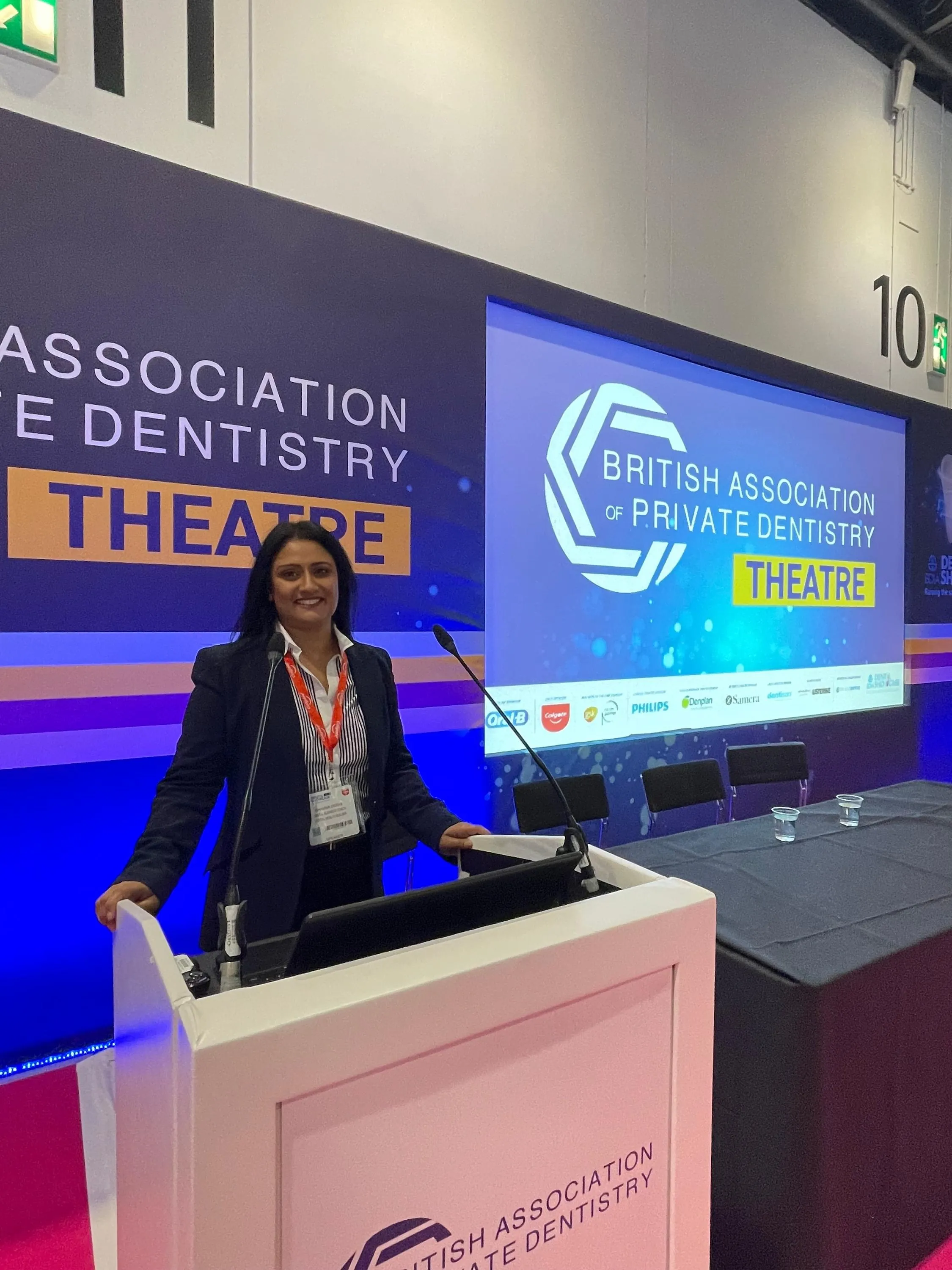
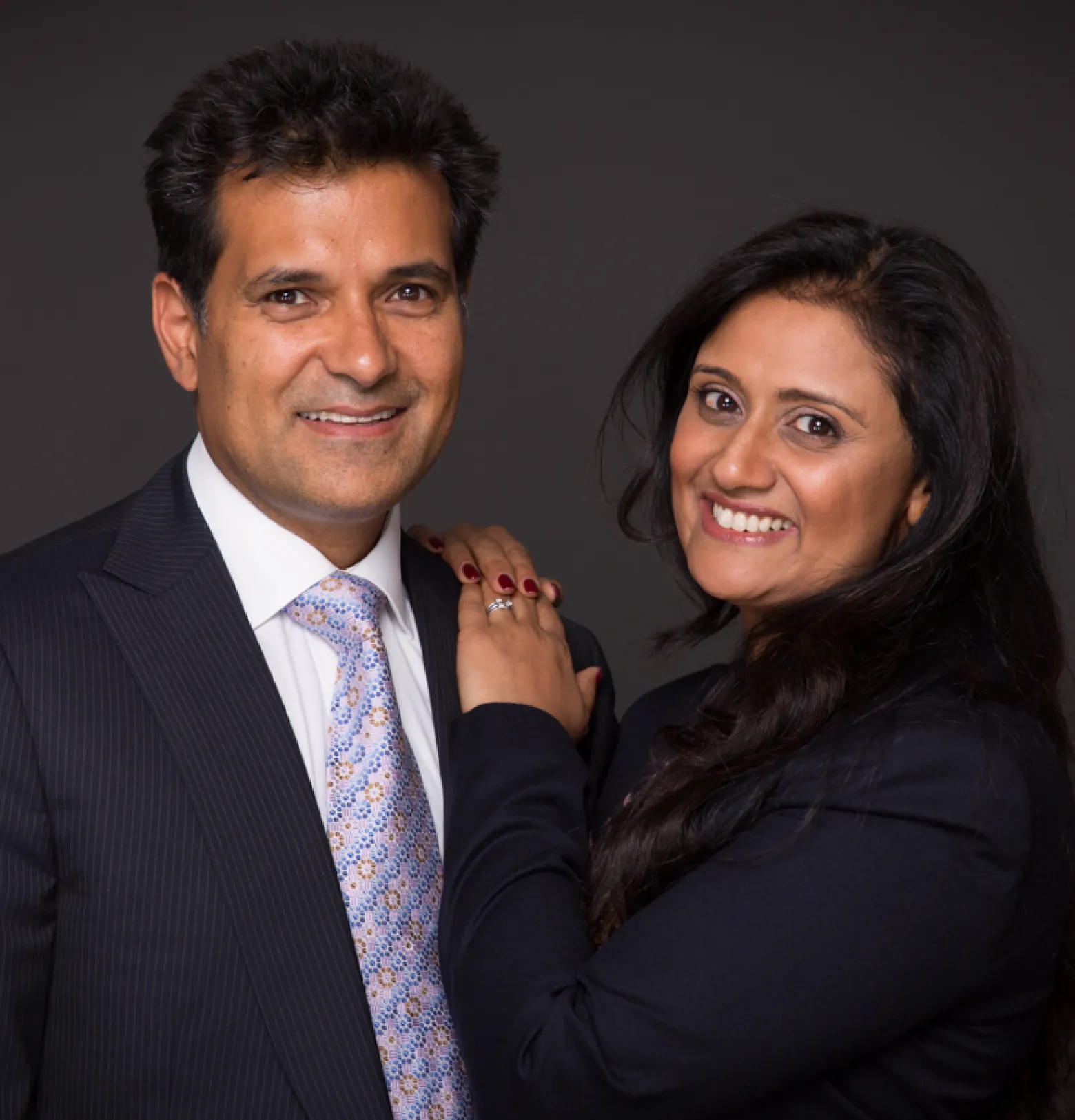
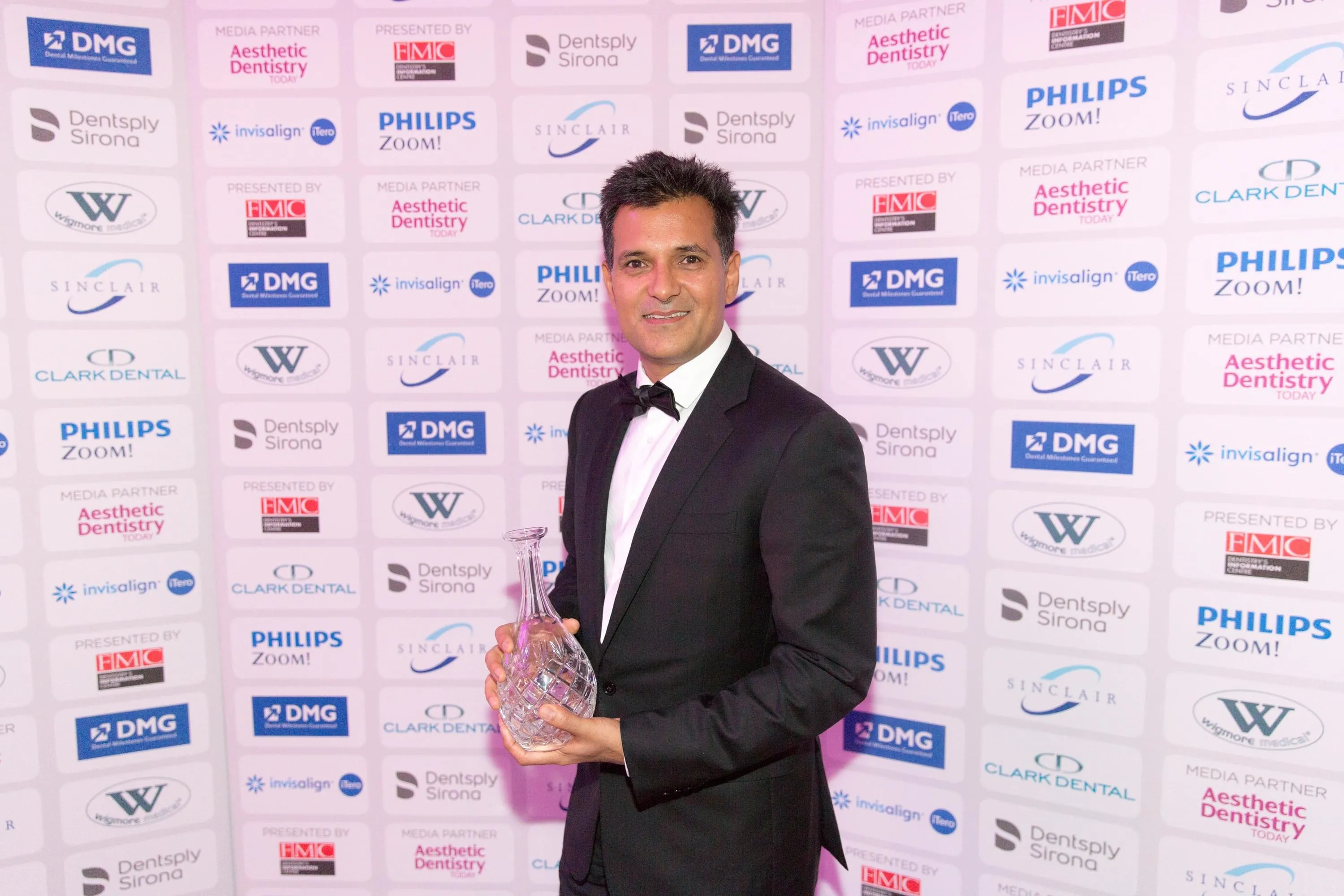
Rahul and Bhavna Doshi are award winning dentists and multi practice owners. Their flagship practice, The Perfect Smile Studios, featured on Extreme Makeover UK and in The Times, Tatler and The Guardian. Rahul served as Clinical Director at Dentex Healthcare Group during the scale to 180 practices, and continued across the Portman Dentex estate of over 370 sites. He is Past President of the British Academy of Cosmetic Dentistry and both have served as judges for the UK Private Dentistry Awards for two decades. More on the credentials behind the work.
Across the DWB client base, programmes have contributed to more than £225 million of additional profit for client practices, drawn from 30 years of ownership experience across over 200 coached practices worldwide. That ownership and group experience is what shapes the consulting view, from a single site growth plan to a group integration playbook.

Frequently asked questions about dental business consulting
What is the difference between a dental business consultant and a dental practice coach?
A consultant is engaged for a defined project, diagnoses the problem and delivers a recommendation (often implementing it directly). A coach runs a longer programme that builds leadership and operating capability inside the practice. Owners often use both, consulting for discrete projects such as acquisitions or exits, coaching for the ongoing operation.
How much does a dental business consultant cost in the UK?
A short diagnostic typically runs £5,000 to £15,000 plus VAT. Full startup or NHS to private conversion projects usually sit between £15,000 and £50,000. Acquisition diligence often runs £10,000 to £25,000 per transaction. Group retainers can be £5,000 to £15,000 per month. Exit preparation over 18 to 24 months can run into six figures. The right fee depends on scope and expected impact.
Can a dental consultant help me buy or sell a practice?
Yes, and this is one of the most common reasons owners engage one. On the buy side, consultants help pressure test the financials, operations and team before an offer and build a 100 day integration plan. On the sell side, they usually work with you over 18 to 24 months to lift normalised EBITDA, reduce principal dependence and prepare the practice for a corporate or group buyer's diligence.
Does a dental consultant need to be a dentist?
Not strictly, but it helps on anything clinical. Non clinical consultants can be excellent on finance, marketing and systems. The gap shows up around clinical workflow, treatment presentation, regulatory nuance and the day to day realities of running a chair. Consultants with ownership experience tend to move faster because less has to be explained to them.
How long does a typical consulting engagement take?
A diagnostic project usually runs four to eight weeks. A startup or NHS to private conversion sits between three and twelve months. Acquisition diligence can be four to twelve weeks depending on the deal size. Exit preparation runs 18 to 24 months. The outlier is a growth engagement that turns into an ongoing coaching programme, which can continue indefinitely.
What should I look for in a UK dental business consultant?
Direct dental ownership or group experience, work with practices similar to yours (single site, multi site, private, mixed, NHS, specialist), a defined scope with written deliverables and price, honesty about whether the problem is actually consulting shaped or something else, and a clear view of what happens when the project is done.
Before you hire
Checklist: what to ask a dental business consultant
Put these questions to any consultant before you agree a scope or a fee.
- ›Have they owned or run a dental practice themselves
- ›What results they can show from comparable practices
- ›How they price the work and what is included
- ›Who will actually do the work with you
- ›How progress is measured and reported
- ›What happens after the project ends
A good consultant will be comfortable answering all six without hesitation.
The process
How a consulting project runs
Most projects move through four stages. Broadly:
01
Diagnose
Review the numbers, the team and the systems to find where the gains are.
02
Recommend
Set out a short list of changes, ranked by impact and effort.
03
Implement
Put the changes in place with your team, not just on paper.
04
Hand over
Leave you with clear owners, measures and a plan to keep going.
Your next chapter