The decision usually arrives on a Thursday evening. You have been looking at the UDA sheet again, and the maths that was tight last year has stopped working. Your associate has had another difficult day. Someone has resigned. And the thought you have been circling for maybe eighteen months finally settles into words: we probably need to go private.
If that is where you are, this is the page we would have wanted eight years ago when the first conversation about conversion happened in our own group. Not a brochure. Not a case for hiring us. Just what we have learned from doing this on our own practices and sitting beside owners doing it on theirs.
The thing nobody says out loud
The fear is not the fees. Fees you can set. The fear is the patient standing at reception, the one who has brought her three children in since 2011, looking at the new price list and asking whether she still has a dentist here. Most owners can handle a difficult conversation. What wears you down is the thought of having that conversation fifty times a week for three months.
We will not pretend that part does not happen. It does. But the shape of it is almost always smaller than the shape in your head on the Sunday night before you start. People who have been with you a long time mostly stay. People who have been coming because you were the nearest NHS chair mostly leave. The middle group is the one you are actually having the conversation with, and the middle group splits roughly down the honesty of the conversation itself.
What leaves and what stays
On every conversion we have been close to, somewhere between a third and two-thirds of the active patient list stays, depending mostly on how long the practice has been there and how connected the dentist is to the community. A single-site practice in a market town with a 25-year dentist retains more than a four-chair practice in a dormitory suburb. That is not a judgement, it is just what seems to happen.
What matters more than the raw number is who stays. The patients who stay are usually the ones who have had something done. A crown, a bridge, Invisalign, implants, a long piece of hygiene work. They understand what private dentistry is because they have already met it.
The patients who leave are usually the ones who come for the examination and the scale and nothing much else. That is not a loss in the way most owners initially fear it is: the economics of a check-up-only patient on an NHS contract are rarely good, and the time they occupy can be rebuilt around people who want more care, not less.
The question is not whether you lose patients. You will. The question is which ones, and what you build with the chair-time they return.
The sequence that holds
We have seen conversions done over a weekend. They tend not to end well. The sequencing we trust runs across about six to nine months, with the heavy work in the middle.
It starts quietly. For the first six to eight weeks, nothing changes for the patient. Behind the scenes you are building the membership plan, modelling the price list, writing the patient communication, and most importantly training the team. The last point is where almost every conversion we have seen fail actually fails.
The receptionist who hesitates when a patient asks "so how much is this now?" tells the patient everything they need to know, and none of it is good. Confidence at the front desk is the single highest-leverage thing you invest in before go-live.
Then you tell the patient list. Letter, email, a conversation at the next visit. Not a mass announcement. A paced one, in waves, with the longest-standing patients contacted first and by the dentist personally where that is realistic. The membership plan is explained before the fees are. People buy predictability more readily than they buy a number, and a monthly plan is predictability with a direct debit.
The go-live itself is usually quieter than owners expect. The noise comes in the three months after, when the patients who waited to see what the practice felt like now visit and make their decision in real time. This is when the receptionist's confidence matters most, and it is why we normally recommend keeping the dentist's diary slightly lighter for that quarter than it needs to be, so there is room to have the honest conversation when a patient asks for one.
A few of the questions owners actually ask
How quickly does the income gap close?
Honestly, it depends on how carefully the plan is built. On a well-run conversion with a membership plan that most of the retained patients join, we have seen monthly profit back to or above pre-conversion levels inside three to six months, sometimes faster.
On a rushed conversion with no plan and no team training, we have seen it take over a year, and in two cases we have seen owners quietly pull back toward a mixed model because the gap did not close. The variable is not the market, it is the preparation.
Do we have to drop the NHS contract completely?
No, and in some cases it is better not to. A mixed practice that keeps a smaller NHS commitment for children or exempt patients can work well, particularly in areas where the ethical argument for keeping some NHS access matters to the owner.
The commercial case for a mixed practice is also real: the UDA income is predictable, and losing it entirely is a cliff rather than a slope. We have worked with owners on both routes and the honest answer is that neither is universally right.
What do we tell the team?
The truth, and earlier than feels comfortable. Nurses and receptionists usually sense the conversation is coming before the owner has the words for it, and the gap between sensing and knowing is where good people start quietly updating their CVs. We suggest telling the team at the same point you commit to the plan internally, long before any patient hears a word. The team will carry the conversion. They need to feel it is theirs.
How much does it cost to run this properly?
The honest range for a single-site conversion with proper preparation sits somewhere between fifteen and forty thousand pounds plus VAT, depending on how much of the work the owner does themselves and how much is bought in. Membership plan providers charge their own fees on top. The number sounds a lot in isolation. Against the lifetime value of the patients you retain well and the stress you avoid in the chair, it is almost always a small line.
Can we do it ourselves without a consultant?
Some owners do, and some do it well. The ones who do it well tend to be the ones who have already run a successful major change in their practice, or who have the time to spend six months reading, modelling and training the team themselves. For most owners the limiting factor is not knowledge, it is the hours in the week. A good consulting engagement is partly expertise and partly just carrying the parts of the work you do not have Sundays for.
What if we lose more patients than we expect?
You plan for it. Every honest conversion plan has a scenario in it where retention is lower than hoped, with a response that does not involve panicking the fees back down. Pulling fees down three months in is the one move that usually makes everything worse: patients who paid the first invoice feel foolish, patients who were going to stay get confused, and the team loses confidence in the direction.
Hold the fees, work the diary harder on the patients you have retained, and be patient. In most of the practices we have supported, the quarter that scared the owner was the one before growth returned.
Where the clinical side comes in
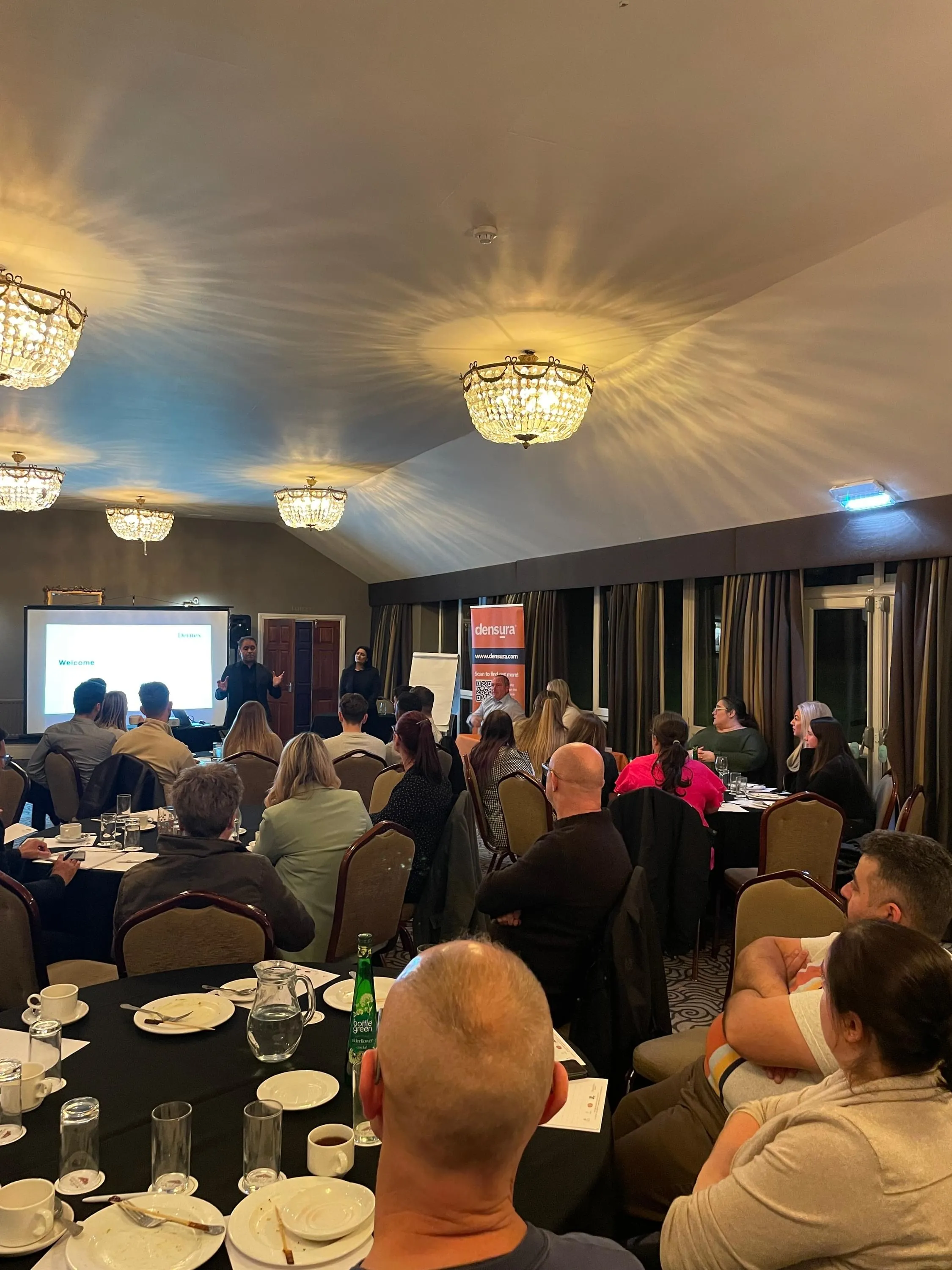
A piece most conversion guides skip: private dentistry is not just NHS dentistry with higher fees. It is often a different mix of work. Longer appointments, more treatment planning conversations, more comprehensive examinations, usually more cosmetic and implant and larger restorative cases. If the clinical team has not practised that way in a decade, they will need help getting back to it, and the patient-journey work that supports it. Rahul has spent 30 years doing this clinically and still mentors other dentists through it; a lot of the conversions we have been near have an element of clinical repositioning sitting alongside the commercial one. If that is a piece you suspect you need, the clinical mentoring page is where to start reading.
A note on team
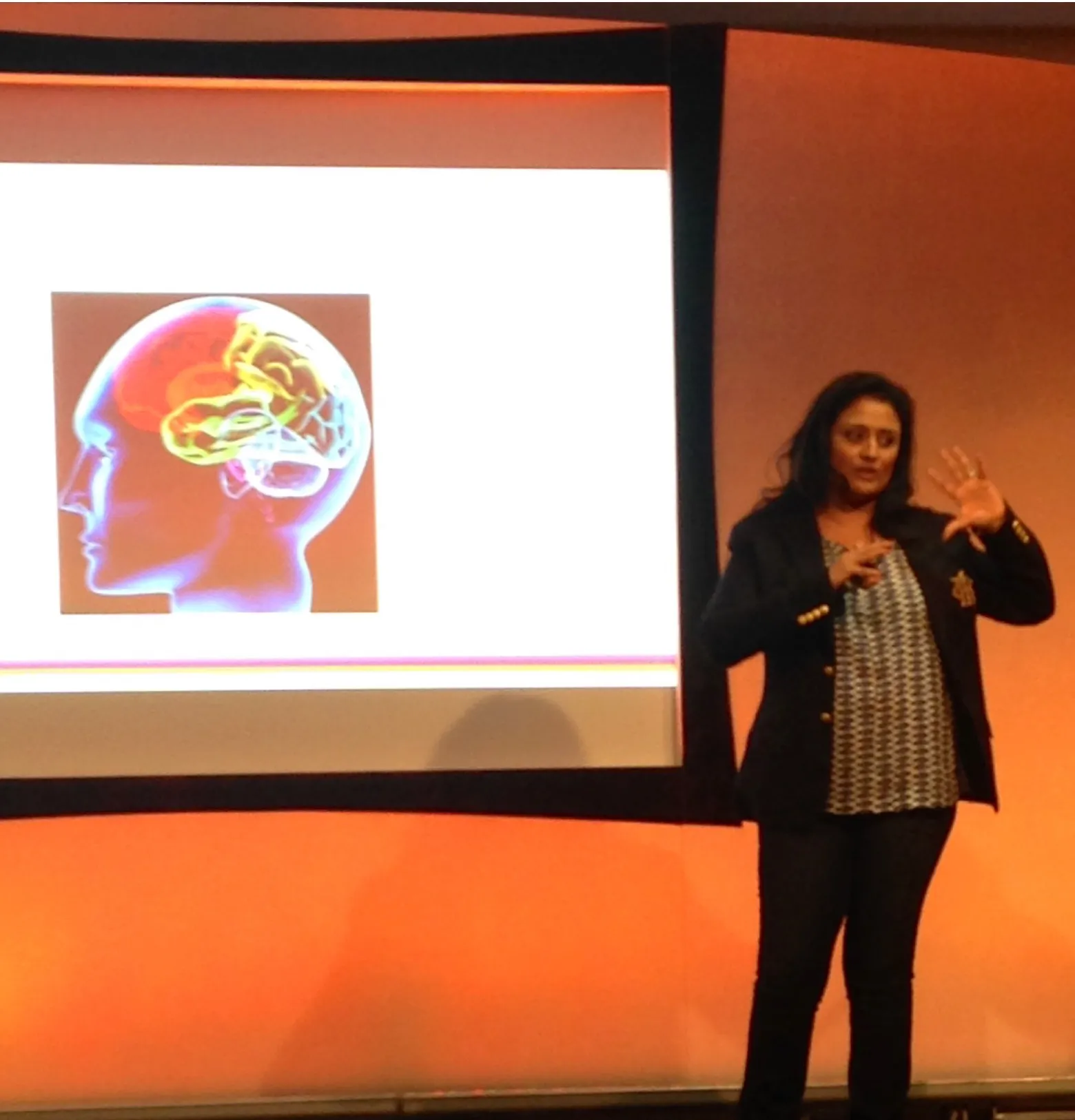
The team you take into a conversion is almost never quite the team you want on the other side of it. Not because people are not good, but because the work changes, and some of the roles that were central to an NHS practice (the UDA chasing, the diary firefighting) matter less, and new ones (the treatment coordinator, the plan administrator, a stronger front-of-house) matter more. The best conversions build this change into the plan from the start rather than discovering it in month four. Who leads it inside the practice matters as much as who advises it from outside; practice coaching is often the piece that carries this once the conversion itself is done.
If you are closer to this than you thought
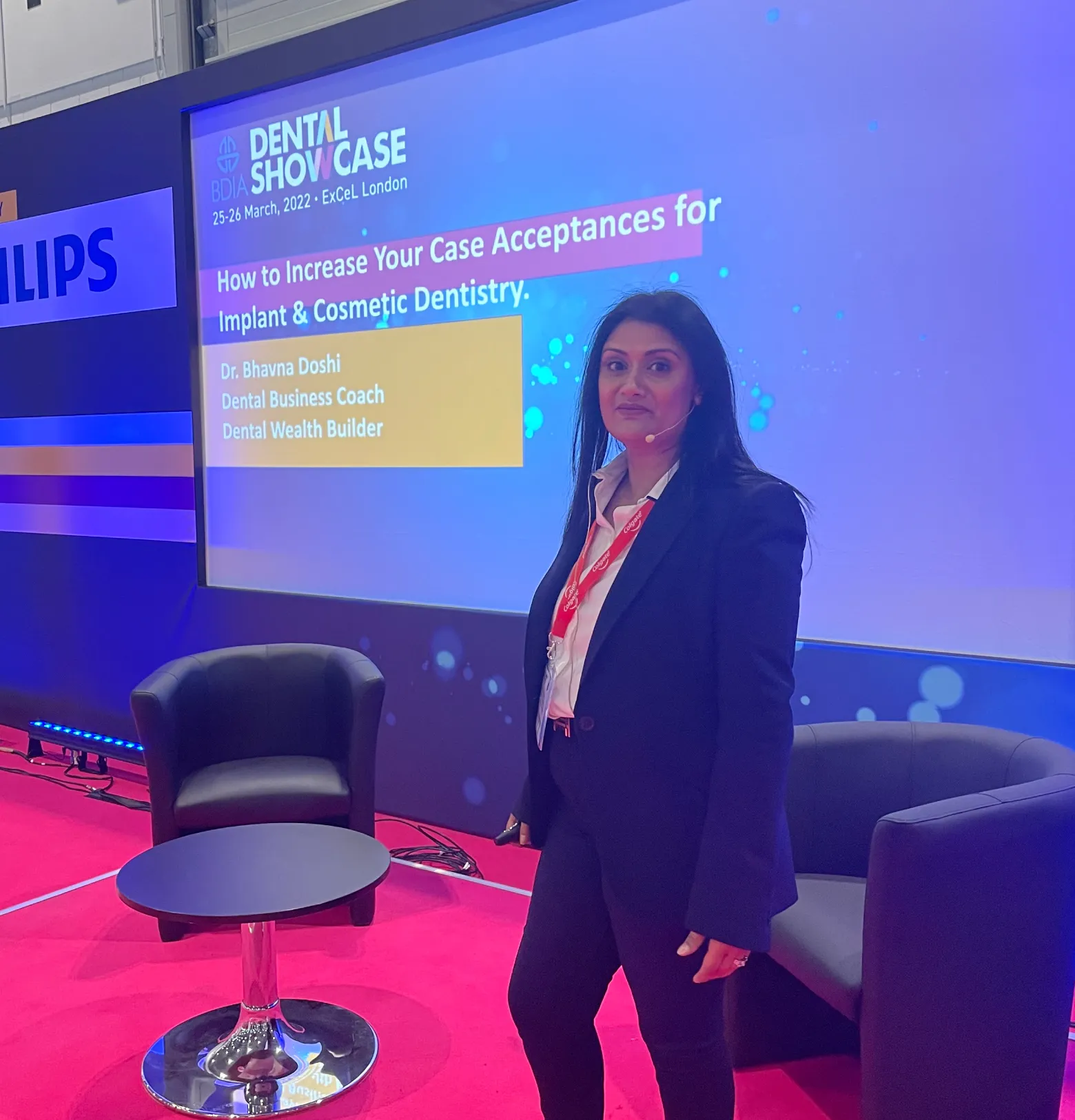
If you have read this far, you probably know whether you are serious about the conversation or still testing the air. Both are fine. If it helps to talk to someone who has done it, we are easy to reach, and the first conversation is a conversation, not a sales call. You can see what Rahul and Bhavna's background actually is on the credentials page, and the practices who have come through this with us are in our work.
If you would rather read a little more first, the business coaching guide covers the piece that usually runs alongside a conversion, and consulting covers the shorter, more defined projects. Neither of them is this conversation. This one, we think, deserves its own quiet corner of the website.
One quieter piece of a conversion that often decides whether it holds together is the practice manager role. If that role is weak through the move, the whole thing drags on longer than it needs to.
A conversion is sometimes a stepping stone to sale within five years. If that is the direction, the parallel piece of work is to reduce principal dependency so that what you are selling is a business, not a job that happens to employ you.
A conversion is often part of a longer runway toward sale. The broader framing lives in succession planning, which starts well before the first conversation with a buyer.
Rahul and Bhavna Doshi, Dental Wealth Builder
Call 01992 878030