How to Attract More Private Patients to Your Dental Practice

>£225 million
additional profit created across DWB client practices
30 years
experience as owners of group practices
200+
dental practices coached worldwide
Most practice owners we meet aren't short of marketing activity. They have a website, a Google Business Profile, maybe a modest ad budget, and a social media page someone updates when they remember. What they're short of is private patients actually sitting in the chair.
Those two things sound like the same problem. They aren't. Treating them as if they are is why the marketing spend doesn't show up in the diary.
If enquiries aren't turning into the calibre of patient your practice is built for, the answer is rarely "do more marketing". The marketing isn't connected to the rest of the practice.
Who you're trying to attract matters. What happens the moment they land on your site matters. How quickly your team follows up once someone has raised a hand matters most. Fix that connection and the same spend works harder.
Marketing can't rescue a proposition that isn't clear
Before touching a campaign, it's worth asking a plainer question. Why should a private patient choose your practice over the one two streets away? Not "we're a good dentist." That's what the website next door says too. What is it about your team, your approach or your patient experience that someone genuinely can't get elsewhere?
That question sits behind most of the marketing plans we've seen work and behind most of the ones that haven't. Marketing should accelerate a well-designed practice. It isn't there to rescue an unclear proposition, a weak patient journey, or a financial model that only works with unrealistic growth. Effective marketing starts with a message-to-market match: the right patients, a problem they recognise, a credible promise, and an obvious next step.
In our Seven Fundamentals, we call this Marketing and Brand Growth. We treat it as one working part of a practice, not a bolt-on activity that lives apart from everything else you do. It sits alongside sales and case acceptance, systems, and how the team is led. None of those areas fixes a shortage of private patients on its own.
The campaign itself is only one part of that system. Response speed, booking, attendance, conversion and the value of the patient once they're through the door decide whether any of it pays for itself. We'd rather see a practice spend less on advertising and more time getting that proposition sharp than the other way round.
Know exactly who you're trying to attract
"More patients" isn't a strategy. A practice chasing anyone who'll book a check-up ends up with a mix of low-value appointments and a marketing bill that doesn't reconcile.
If implants, cosmetic dentistry or comprehensive treatment plans are where you want to grow, your marketing has to say so clearly. Folding those treatments into a general "services" page rarely works. A private patient researching implants is comparing you against practices that made that treatment the centre of their marketing. Yours needs to be one of them, not an afterthought buried three clicks deep in a general dentistry page.
That means dedicated pages for the treatments you want more of, showing real outcomes and honest pricing rather than vague reassurance. It means a clear next step, not a paragraph shared with everything else you do. Your reviews, your case photography and your team's language should point the same direction, treatment by treatment, rather than blurring into one generic message for every patient who walks in.
Consistency across every touchpoint is what makes a prospective patient believe you're the right choice, not simply another name on a list. That's as true for implants and smile makeovers as it is for anything else you want your practice known for.
Practices built around aesthetic work have a different marketing problem again, since they must create demand rather than capture it. See business coaching for cosmetic dentists.
Don't overlook the patients already on your list
External marketing gets the headlines, but the fastest opportunities for private growth can sit closer to home. In our experience, your existing patient base is cheaper to convert than a brand-new enquiry from a stranger. So are inactive patients who haven't returned, the internal referrals you haven't asked for, and treatments patients don't know you offer.
A short, honest reactivation campaign to patients who haven't been seen in a while can bring in private patients before a single pound is spent on advertising. So can there be a simple process for asking happy patients to refer a friend? The same is true of clear internal signage or conversation about the treatments you want to grow. External campaigns work best once this internal foundation is in place, not instead of it, and the two together can cost less per patient than either on its own.
Make your website do some of the work before you spend on ads
In our experience, most private dental websites lose patients they've already paid to attract. A prospective patient lands on the homepage and doesn't know what to do in the first few seconds. The site could belong to almost any practice in the city.
Three questions are worth asking honestly about your own site:
- Is the next step obvious within the first five seconds, or does a visitor have to hunt for it?
- Could this website belong to any other practice in your city if you swapped the name?
- Do your best treatments have their own page, with real outcomes and a clear next step, or are they buried inside "general dentistry"?
Trust gets stated once, in an "about us" paragraph. It rarely gets reinforced as the visitor scrolls through reviews, real photography and credentials they can see for themselves.
Local SEO is one of the more overlooked levers here. Keeping your Google Business Profile current does more for a private dental website than you might expect. So does a steady flow of reviews, fresh photos, and answers to the questions patients actually ask. None of it needs a media budget to maintain, only a team member who owns it as a regular task rather than an occasional one.
DWB's founders built their own practice website, their former dental practice, into the strongest performer across a much larger portfolio of practice sites. It draws over 2,000 organic visitors a day without paid advertising. That wasn't one clever campaign. It was consistent SEO content and real testimonials, built around the treatments they wanted more of.
We tell practice owners the same thing about their own content. It has to be unique to your practice, sincere, and genuinely reflect who you are. Generic content that any other clinic could publish under its own name doesn't rank as well. It doesn't convert as well either, because patients and search engines can tell the difference.
Plan for the whole journey, not just the first click
It's tempting to picture a patient's path as a straight line: they see an ad, visit the website, and book. In practice it's rarely that tidy.
A patient might see your ad while researching, browse the site without converting, and notice a retargeted post days later. They might read a couple of reviews, then finally call. It can take several such touchpoints before someone who genuinely wants treatment finally picks up the phone. It's rarely just the one that happened to catch their eye.
That has a practical consequence. If your attribution only credits the last click, you'll underrate the blog post, the review, or the earlier ad that quietly did the persuading. The phone call itself matters enormously too. A well-designed campaign can do the hard part and still get wasted, landing on an unanswered phone or a receptionist with no clear process for handling it.
a DWB coaching client found this out when he opened his own boutique implant practice with his wife. Coming from a referral-based background, he had no built-in pipeline. "We found ourselves at a loss when it came to the business side of things," he told us, "especially in attracting and converting new patients."
What changed things wasn't a single campaign. He learned how to vet marketing agencies properly, built internal referral marketing, and introduced a Treatment Coordinator to systemise how enquiries were handled. Five years on, the practice has placed over 2,700 implants with continuous year-on-year growth and a case acceptance rate above 95%.
Convert attention into booked consultations
Attracting attention is only half the job. The other half is what happens the moment someone enquires, and this is where a lot of otherwise good marketing quietly leaks value. A slow response will lose patients your marketing has already paid to bring in. So will an inconsistent message between the website and the phone or a consultation that feels rushed rather than considered.
This is part of why we build a Treatment Coordinator role into how we help practices structure their patient journey. It gives the practice a dedicated bridge between the marketing that brings someone in and the clinical conversation that follows.
The person who picks up the phone, the person at the front desk and the clinician all end up telling the same story. Not three different ones. A nervous private patient notices the difference immediately.
another DWB coaching client had reached a point in his practice where growth had stalled. He described it as having "hit a brick wall". Structuring the patient journey, hiring a Treatment Coordinator, and training the front desk around it produced a 25 to 30% increase in turnover within the first year. The improvement held through a period as difficult as the pandemic that followed.
None of that is about persuading harder. It's about making sure every person your marketing attracts meets a practice that's ready for them, from the first phone call through to the consultation itself.
Measure what your marketing is really doing
A dashboard full of impressive click-through rates means very little if production hasn't moved. The diary looks the same as it did last quarter. Marketing spend is largely fixed, whether it produces two case acceptances or twenty. The return comes from how well the whole system converts what it attracts, not from the advertising alone.
We think about this as getting exponentially more from the same budget, not simply spending more of it.
That means improving message, targeting, website conversion and follow-up together, not one at a time. Effort doesn't automatically equal outcome. Strategy does.
That means tracking cost per enquiry. It also means tracking which enquiries become booked, attended, and treatment-accepted patients and where in that chain people are being lost.
A practice that only watches traffic and leads is measuring the easy numbers. The harder, more useful numbers follow those same patients all the way through to the chair. They're the ones that tell you honestly whether the marketing is working or simply looks as though it is.
Bringing it together
Attracting more private patients isn't just a marketing project. It's what happens when your proposition is clear and your website earns the trust it's asking for. It's the patients already on your books being asked properly for a referral. It's your team being ready the moment an enquiry arrives and being honest with yourself about which numbers actually move the needle.
Get those pieces working together and the same marketing budget starts bringing in patients who stay, pay and refer. It stops producing a pile of enquiries that go nowhere. That's the difference between spending on marketing and investing in it, and it's the difference your diary will show first, long before any dashboard does.
If you'd like an honest look at where your own marketing and patient journey are losing private patients before they ever reach the chair, we'd be glad to talk it through with you. Book a practice coaching call and we'll help you find out exactly where the gap is.


Categories

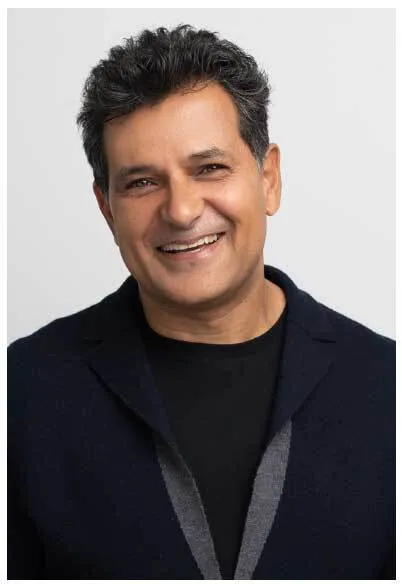
Dr Rahul Doshi is a leading UK cosmetic dentist, entrepreneur and former Clinical Director of Dentex/PortmanDentex, with 25+ years of experience in dentistry and practice growth. As co-founder of Dental Wealth Builder, he helps dentists, practice owners and dental groups build profitable, scalable and high-performing businesses...Know more
Turn This Into a Plan for Your Practice
Reading is a start. The DWB Growth System turns it into a structured, step-by-step plan built around your practice, so you know exactly what to focus on first and why. No generic playbook, no pressure to sign up, just a clear path built for where you are right now.
About the Author
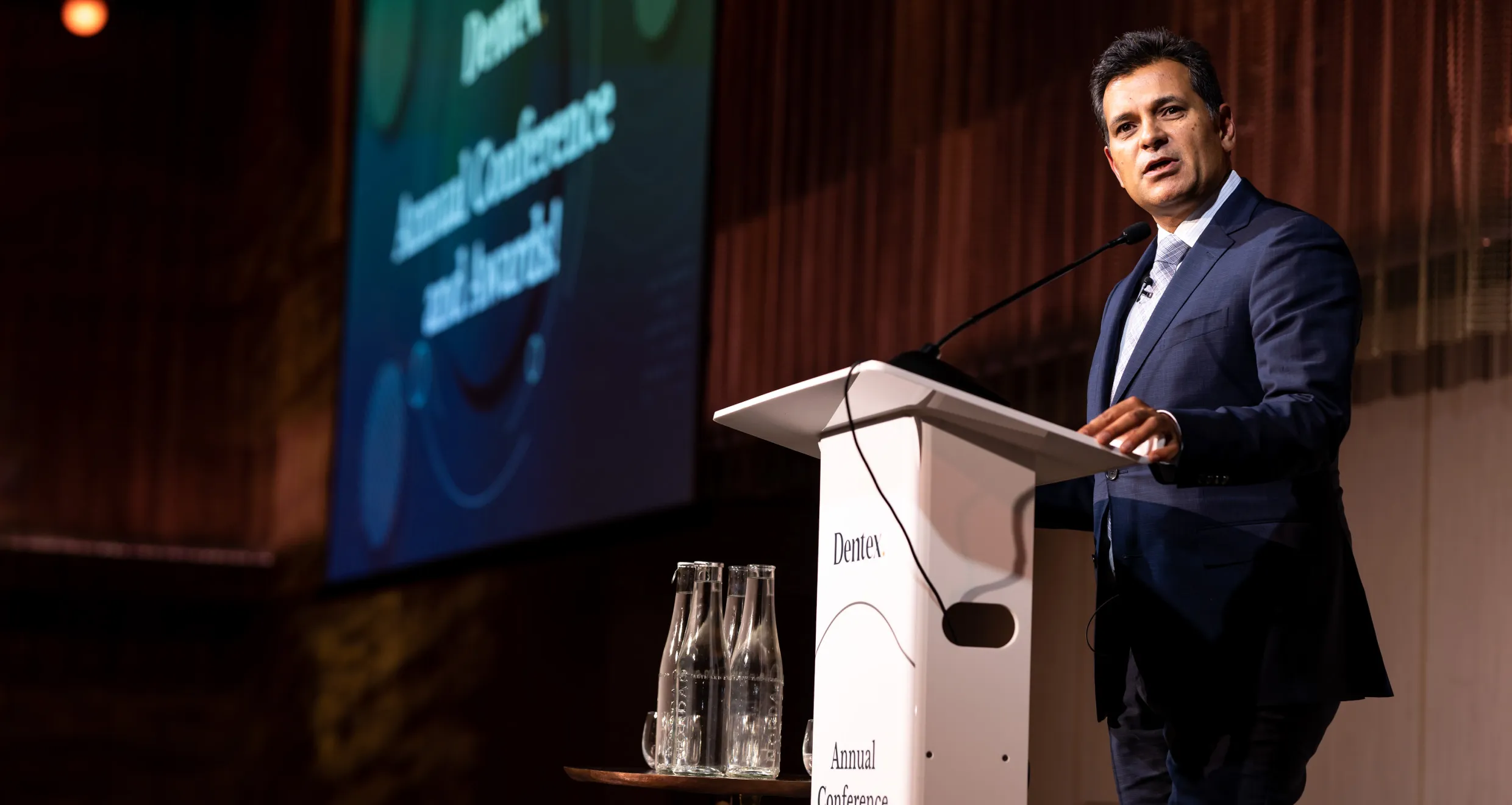
Dr Rahul Doshi
Dr Rahul Doshi, BDS (Lond.), LDSRCS (Eng.), is one of the UK’s most influential figures in cosmetic, comprehensive and business-led dentistry.
Widely recognised as one of the key dentists who helped introduce cosmetic dentistry to the UK over 25 years ago, Rahul is the founder of The Perfect Smile Studios and the Advanced Training Institute, where he trained dentists in Interdisciplinary Comprehensive Dentistry, including smile design, occlusion, treatment planning, full-mouth rehabilitation and advanced restorative care.
His experience extends far beyond clinical dentistry. Rahul has owned, led and scaled multiple award-winning dental practices, giving him first-hand insight into what it takes to build profitable, high-performing and team-led dental businesses. This practical experience now underpins his work with dental practice owners, multi-practice owners and dental groups who want to improve profitability, strengthen systems and scale with greater confidence.
Rahul has held several major leadership positions within the profession. As Clinical Director for Dentex Healthcare and later PortmanDentex, he helped support the growth and scaling of the group from inception to 185 practices, contributing strategic clinical leadership across one of the UK’s major dental organisations. He was also Clinical Director of the monthly dental publication Premium Practice Dentistry and a founding board member of the British Association of Private Dentistry.
A Past President of the British Academy of Cosmetic Dentistry, Rahul has been a long-standing judge for the Private Dentistry Awards and Dental Industry Awards. He has also been voted one of the UK’s Top 50 most influential dentists and recognised by his peers for his outstanding contribution to cosmetic dentistry.
As an inspirational national and international speaker, Rahul has lectured on cosmetic dentistry, smile makeovers, treatment planning, laser dentistry, leadership and practice growth across the UK, United States, UAE, Italy, India, Germany, Sweden and South Africa.
His work and expertise have been featured widely in national and international media, including the BBC, ITV, The Times, Daily Mail, The Guardian, Evening Standard, Marie Claire, Tatler and leading dental publications.
As co-founder of Dental Wealth Builder, Rahul now uses his rare combination of clinical excellence, entrepreneurial experience, multi-practice scaling and large-scale group leadership to help dentists, practice owners and dental groups build more profitable, scalable and rewarding businesses.