Should I Buy a Dental Practice or Start a Squat? How to Decide

>£225 million
additional profit created across DWB client practices
30 years
experience as owners of group practices
200+
dental practices coached worldwide
The purchase price looks concrete. The setup budget looks concrete. Whichever number is smaller starts to feel like the safer choice.
In DWB's coaching work, purchase price and setup cost are often among the first figures dentists compare when weighing a squat dental practice vs buying an existing one. It's also the wrong place to start. A cheaper opening can still turn into the harder years.
The real question when you're deciding whether to buy a dental practice or start a squat in the UK isn't which route costs less to begin. It's which route gives you the practice you actually want, at a pace you can sustain while you build it.
Both routes can work. Both routes can also go wrong in ways that have nothing to do with your clinical ability. The dentists who choose well look past the headline numbers. They test the decision against the same seven areas, whichever direction they're leaning.
The two routes aren't the same decision
Buying an existing practice means inheriting patients, a team, systems and a reputation that already exist. The accounts show you what happened under someone else. Your first task is to understand what you're taking on before you change anything.
Opening a squat means building the patient base and the team from nothing, with the reputation following later. There's no set of accounts to study, only a business plan describing a future that hasn't happened yet. Your first task is to design the practice properly before a single patient walks in.
The risk sits in a different place for each. Buying, the risk is what changes after completion, whether the patients and the team stay and the income holds up once the seller has gone. Squatting, the risk is how long growth takes and how much cash you need while the diary is still filling.
If the acquisition route is the one that fits, buying your first dental practice covers the process in detail from first search to completion.
Either way you will need a view on what a practice is actually worth, which we cover in what is my dental practice worth.
Vision: the filter every later decision runs through
Before either route, you need a clear answer to what this practice is for. Not "a successful practice" in general terms. Which treatments will it become known for? How many days a week do you want to work clinically once it's running?
What would make ownership worthwhile financially? Just as important, what would make you regret the decision?
If you're buying, vision tells you whether the current patient base and team can support the practice you want, in premises that still fit it. It's not automatically the practice that happens to be for sale, or the one with the highest turnover. What matters is whether it gives you a genuine platform for where you're heading.
If you're building a squat, vision is what stops the project turning into a collection of equipment and branding with no coherent direction. The site and the fit-out get decided more clearly once you know what the practice is being built to become. So do the services, and so does your first hire.
Clinical strategy: why patients would choose you
A practice can't be everything to everyone. A broad promise of excellent dentistry and great service is rarely enough on its own to explain why a patient should choose one practice over another. Patients expect both already. Neither answers why they'd choose this practice over the one down the road.
Buying an existing practice, the questions are about fit and dependency. Does the current patient base match the dentistry you want to provide? How much of the practice's performance rides on the seller's personal reputation, and what happens to that once they've gone? Are you buying real potential or paying today for growth that hasn't happened yet?
Opening a squat, the questions are about evidence. What actually demonstrates patient demand in this location? Who are the competitors, and where's the gap? Which treatments should you offer from day one, and which can wait?
A useful clinical strategy discipline on either route is to write down clearly who the practice is designed to serve and why those patients should choose it.
Financial strategy: cash flow, not just cost
Dentists considering ownership tend to focus on two figures: the purchase or setup cost and the projected turnover. Both matter. Neither tells you whether the practice will produce reliable cash flow or become something worth owning.
Buying, the accounts describe the past under a different owner. They don't automatically tell you what happens after completion. How much of the current revenue depends on the seller personally, on one or two associates, or on a narrow treatment mix that might not travel with new ownership? What working capital will you need once you're in?
Squatting, there's no inherited turnover to study, which is precisely the risk. The central question isn't just the setup cost. It's how long the practice takes to reach break-even and how much cash you need to fund the gap while patient numbers are still building. Underestimating that timeline can make the first year of a squat financially painful, which is why building this into your wider financial strategy matters before you commit.
Leadership: you're shaping a culture either way
Clinical confidence does not automatically translate into confidence leading a team. For many new owners, the people side of ownership becomes a significant new responsibility. Dentistry happens in the surgery, but the practice's success is built by how the whole team behaves together.
Buying, you inherit relationships and unwritten habits that may have taken years to form. The team might welcome the change. They might also be uncertain what it means for their role and security. How you lead in the first months shapes whether that uncertainty turns into confidence or resistance.
Squatting, you get to build the culture from scratch, which is an opportunity and a responsibility. The first people you hire will shape that culture more than anything you write in a handbook afterwards.
Two DWB coaching clients ran strong Hampshire and West Sussex practices with excellent clinical training behind them. What was missing was clear communication and defined team roles. Introducing a Treatment Coordinator and restructuring the diary around treatment complexity changed that. Years later, one of the practice owners described the change as one of the most important decisions of their professional career.
Systems development: what happens when you're not there?
A system is simply an agreed way of completing an important task properly, like recording an enquiry or reviewing the diary. Without one, the practice runs on memory and the owner's constant involvement, which can feel manageable while the practice is small and becomes fragile as it grows.
Buying: don't assume that established means systemised. Some practices run on the knowledge of one long-serving team member. Others have policies written down that nobody follows. Worth checking early: how enquiries are recorded, how treatment plans are monitored, which reports get reviewed weekly.
Squatting: design the essential systems before the first patient arrives. The standard you set on day one is far easier to maintain than one you try to correct later. Enquiry handling, new-patient booking, diary zoning and follow-up of undecided patients are worth building properly before you open, not once you're already busy.
Sales and patient communication: what happens after someone enquires
When a practice needs more revenue, generating more new-patient enquiries is only one part of the answer. If the patient journey is inconsistent, additional enquiries can simply create more missed opportunities.
For a squat, build that journey before the first enquiry arrives. For an acquisition, experience the existing one yourself before you change it.
Call the practice. Submit an online enquiry. Sit in reception as a new patient would.
What you find can reveal conversion problems that extra marketing spend would not solve. One DWB coaching client built a boutique implant practice with no inherited patient pipeline at all. Structured lead management and a properly designed journey helped it reach a reported case acceptance rate above 95%, with more than 2,700 implants placed in five years. Individual results vary, but the principle holds for either route: conversion depends on the whole journey, not the volume of new enquiries alone.
Marketing: accelerating a strong practice, not rescuing a weak one
Marketing is the complete process of understanding which patients you want to attract, what they value, and what happens after they enquire, not simply advertising.
For a squat, marketing has to start months before opening. Local awareness and an online presence need to exist first. An initial pipeline of patients has to be there before the first clinical day too. For an existing practice, the first opportunity often isn't external advertising at all.
Real value can already sit inside the practice, poorly communicated: inactive patients never re-engaged, underused services nobody mentions, and referrals that were never asked for. Another DWB coaching client grew a squat practice through a property relocation into a premium, high-performing business. That growth work continued well beyond the opening.
Whichever route you're on, don't spend heavily on generating attention until the practice is ready to manage it. More enquiries won't repair a weak patient journey or an inconsistent message.
Before you commit: a practical sequence

The seven areas don't operate in isolation. Strong marketing into a poor patient journey creates enquiries that fail to convert. A talented team without leadership becomes frustrated. Excellent dentistry without a clear position may never reach the patients who'd value it most.
Before committing to either route, DWB's coaching work with dentists moving into ownership follows a consistent sequence:
- Define the five-year vision first.
- Set the clinical proposition and evidence of demand.
- Stress-test the financial model and working capital.
- Assess the team you're inheriting or need to recruit.
- Map the essential systems.
- Design the full patient journey.
- Build the marketing plan last, once the rest is clear.
A useful gut check: score yourself honestly from one to ten across vision, clinical strategy, financial strategy, leadership, systems, patient communication and marketing. Your lowest score is not automatically a reason to walk away. Treat it as the area requiring the most investigation before your commitment becomes difficult or expensive to reverse.
Bringing it together
Buying and squatting solve the same ambition through opposite risks. One asks you to understand what already exists before you change it. The other asks you to design what doesn't exist yet before you open the doors. Neither route removes the need for clarity across all seven fundamentals, and neither is automatically the safer choice just because the number attached to it looks smaller.
If you're an associate weighing this decision for the first time, a Practice Growth Strategy call can help you test both routes against your own five-year vision before you commit. Book an Associate Coaching call with DWB.
Frequently asked questions on Buying a Dental Practice or Starting a Squat
Is buying an existing practice always lower risk than starting a squat?
Not automatically. Buying removes the uncertainty of building a patient base from nothing. It introduces a different risk instead: what changes after completion, and how much of the practice's performance was really tied to the outgoing owner.
How much cash does a squat practice need before it breaks even?
It depends heavily on location, clinical mix and how quickly the diary fills, so there's no single figure. What matters is stress-testing your own forecast against a slower-than-expected growth curve before you commit, not just budgeting for the setup cost.
Do I need a Treatment Coordinator from day one if I open a squat?
Not necessarily from day one, but the patient journey that a Treatment Coordinator supports is worth designing early. Some practices start by giving an existing team member protected time for that role rather than hiring externally straight away.
What's the biggest mistake dentists make when buying an existing practice?
Assuming established means systemised. Some practices run well because one long-serving team member holds the knowledge, which is a risk in itself if that person leaves during the transition.
Should I decide based on which route costs less upfront?
No. The upfront figure alone cannot tell you whether the practice will produce reliable cash flow or become a valuable, enjoyable business to lead. Both routes deserve the same scrutiny across vision, clinical strategy, finance, leadership, systems, patient communication and marketing.
I have a clinical vision but no commercial plan. Is that a reason to wait?
Not necessarily, but it's a sign the decision needs outside input before it becomes expensive to reverse. Needing guidance isn't evidence the opportunity is wrong. It's evidence the decision is important enough to examine properly.
Sources: DWB Before You Buy or Build: The 7 Core Fundamentals guide; anonymised DWB coaching case studies.


Categories

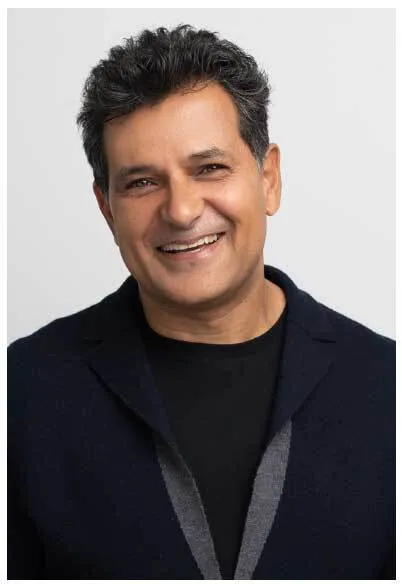
Dr Rahul Doshi is a leading UK cosmetic dentist, entrepreneur and former Clinical Director of Dentex/PortmanDentex, with 25+ years of experience in dentistry and practice growth. As co-founder of Dental Wealth Builder, he helps dentists, practice owners and dental groups build profitable, scalable and high-performing businesses...Know more
Turn This Into a Plan for Your Practice
Reading is a start. The DWB Growth System turns it into a structured, step-by-step plan built around your practice, so you know exactly what to focus on first and why. No generic playbook, no pressure to sign up, just a clear path built for where you are right now.
About the Author
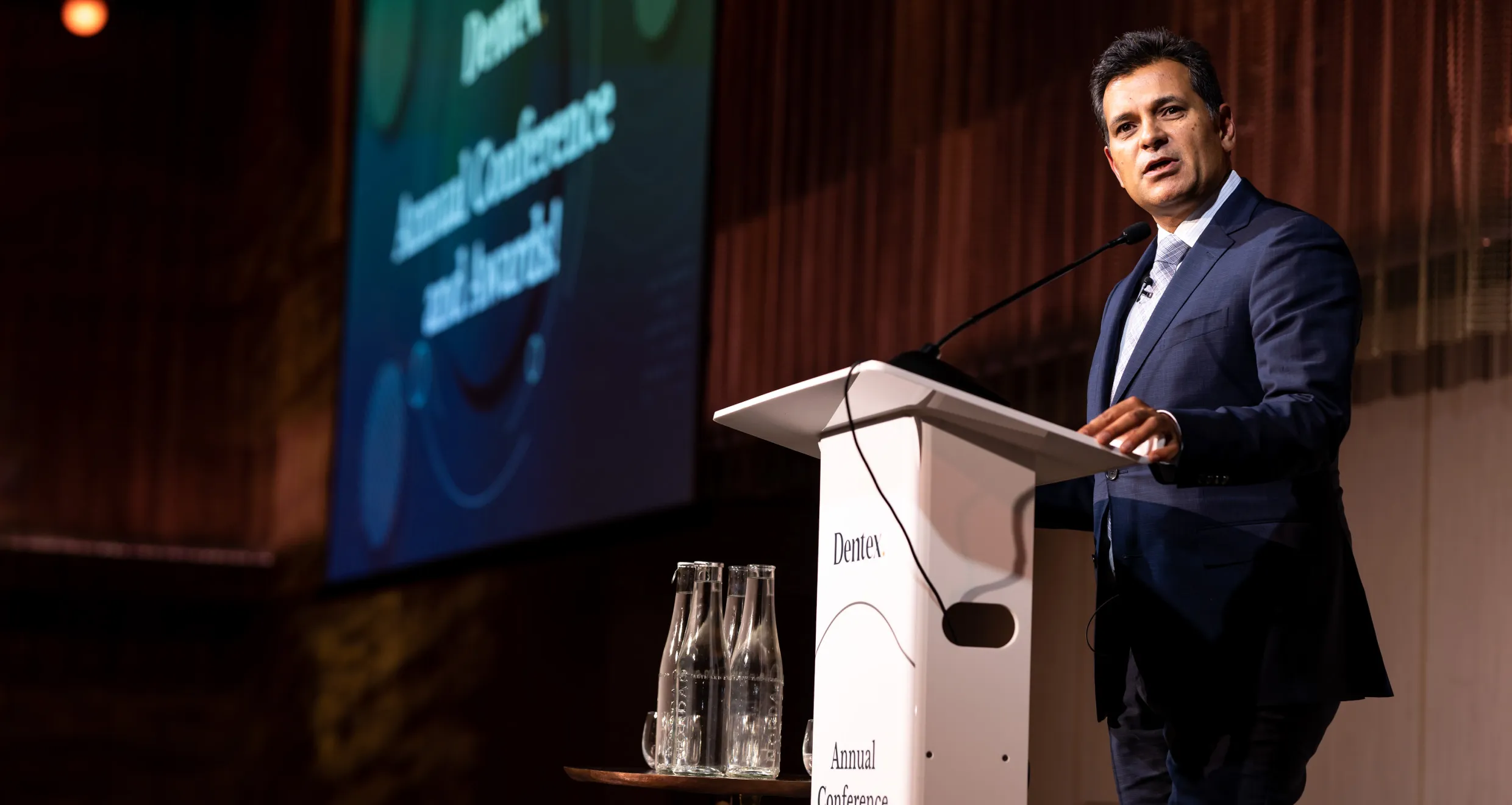
Dr Rahul Doshi
Dr Rahul Doshi, BDS (Lond.), LDSRCS (Eng.), is one of the UK’s most influential figures in cosmetic, comprehensive and business-led dentistry.
Widely recognised as one of the key dentists who helped introduce cosmetic dentistry to the UK over 25 years ago, Rahul is the founder of The Perfect Smile Studios and the Advanced Training Institute, where he trained dentists in Interdisciplinary Comprehensive Dentistry, including smile design, occlusion, treatment planning, full-mouth rehabilitation and advanced restorative care.
His experience extends far beyond clinical dentistry. Rahul has owned, led and scaled multiple award-winning dental practices, giving him first-hand insight into what it takes to build profitable, high-performing and team-led dental businesses. This practical experience now underpins his work with dental practice owners, multi-practice owners and dental groups who want to improve profitability, strengthen systems and scale with greater confidence.
Rahul has held several major leadership positions within the profession. As Clinical Director for Dentex Healthcare and later PortmanDentex, he helped support the growth and scaling of the group from inception to 185 practices, contributing strategic clinical leadership across one of the UK’s major dental organisations. He was also Clinical Director of the monthly dental publication Premium Practice Dentistry and a founding board member of the British Association of Private Dentistry.
A Past President of the British Academy of Cosmetic Dentistry, Rahul has been a long-standing judge for the Private Dentistry Awards and Dental Industry Awards. He has also been voted one of the UK’s Top 50 most influential dentists and recognised by his peers for his outstanding contribution to cosmetic dentistry.
As an inspirational national and international speaker, Rahul has lectured on cosmetic dentistry, smile makeovers, treatment planning, laser dentistry, leadership and practice growth across the UK, United States, UAE, Italy, India, Germany, Sweden and South Africa.
His work and expertise have been featured widely in national and international media, including the BBC, ITV, The Times, Daily Mail, The Guardian, Evening Standard, Marie Claire, Tatler and leading dental publications.
As co-founder of Dental Wealth Builder, Rahul now uses his rare combination of clinical excellence, entrepreneurial experience, multi-practice scaling and large-scale group leadership to help dentists, practice owners and dental groups build more profitable, scalable and rewarding businesses.