Dental Business Coaching vs Consulting: Which Does Your Practice Actually Need?

>£225 million
additional profit created across DWB client practices
30 years
experience as owners of group practices
200+
dental practices coached worldwide
You've searched the term, read a few websites, and now two words are sitting in front of you that seem to promise the same thing. Coaching. Consulting. Both claim to grow your practice.
Both use words like strategy and systems. Neither website makes it obvious which one you actually need, or why the difference is worth getting right before you sign anything.
Here's the real distinction. A consultant is usually brought in to diagnose a specific problem and hand you a set of recommendations. A coach works alongside you and your team over time, building the capability to keep improving long after the engagement itself has ended and the invoices have stopped.
One delivers a report. The other builds a practice that doesn't need the report rewritten every two years. That difference matters more than the label on the invoice, because it determines who actually has to change for anything to stick.
What a dental consultant actually does
A good consultant is genuinely useful for a defined, bounded problem. Think a fee-structure review, a one-off compliance audit, or advice on a specific piece of equipment or software. You get an outside diagnosis and a set of recommendations, usually delivered to you as the owner. The engagement has a natural end point, once that report is handed over.
What a consultant typically isn't set up to do is stay in the room while your team learns to work differently. The report gets written, the invoice gets paid, and the practice is left to implement everything alone. If the team wasn't part of the diagnosis, they're rarely fully part of the fix either. That gap is usually where a good recommendation quietly stalls.
What coaching does differently
"A business coach is the most effective means for achieving sustainable growth, change and development in the individual, the team and the practice," as we've put it before. "A coach is part advisor, part sounding board, part cheerleader, part manager and part strategist."
That's a wider brief than most people expect from the word coaching. It isn't motivational chat. It's ongoing,structured work with you and, usually, your team.
It runs across the areas that actually determine whether a practice grows. Not just marketing, but leadership, sales conversations, systems and the numbers behind all of it too.
The real question: who else needs to change?
Here's a pattern we see constantly. An owner comes to us convinced that marketing is the problem. Three sessions in, it's clear nobody on the team owns anything, and the front desk has never been trained to handle a patient enquiry properly.
Fix the marketing without fixing that, and you've simply brought more patients into a practice that can't convert them. A consultant hired specifically for marketing has no mandate, and often no reason, to look at team accountability. A coach does, because the brief was never just marketing in the first place.
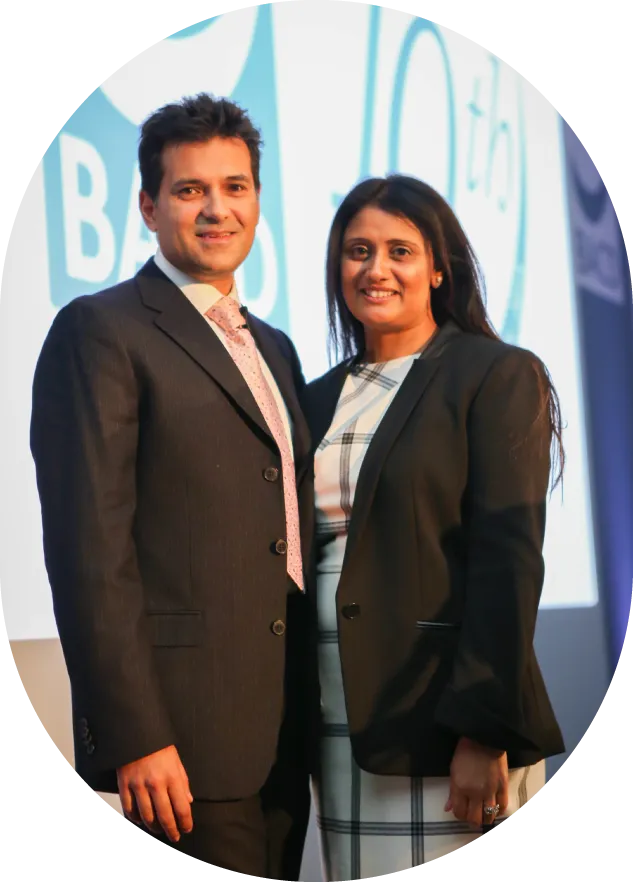
Dr Raj Patel and Preanka Patel came to us with scatteredmarketing and no cohesive strategy, after trying courses that hadn't stuck.What actually shifted the practice was leadership development first, ahead ofany marketing tactic. "Leadership was such a core part of theprogramme," Raj told us.
Preanka's patient communication changed too, becoming personalised rather than scripted. A year in, they described seeing progress every week.
Coaching across the whole practice, not one department
At DWB, we work across seven areas we call the Seven Fundamentals. In order, they are Vision; Leadership and Team Motivation; Sales and Case Acceptance; Marketing and Brand Growth; Systems and Operational Efficiency; Financial Strategy and Profitability; and Clinical Strategy.
We present them in that order because it's a useful map, not because every practice starts at the top. Where you actually begin, and how much weight each area needs, depends on what's happening in your practice right now.
That's the part a generic consulting brief usually can't offer. A consulting scope gets written before anyone has looked properly at your team, your systems or your numbers. It can only ever answer the question it was hired to ask.
To make that concrete: Vision means a genuine plan for thepractice, not a vague ambition to "grow." Leadership and TeamMotivation covers whether the team can operate without you standing over them. Sales and Case Acceptance is a repeatable process for presenting treatment, notone person's charm. Marketing and Brand Growth only gets addressed once thepractice can actually convert what marketing brings in.
Systems and Operational Efficiency means the diary, the follow-up and the patient journey run the same way regardless of who's on duty. Financial Strategy and Profitability turns your numbers into decisions, not just a report your accountant sends once a year. Clinical Strategy links all of that back to the dentistry itself, so growth doesn't come at the expense of the work you actually want to be doing.
A coaching relationship built for the whole team
Dr Neresh Behari and Dr Usha Ramjas ran successful Hampshire and West Sussex practices, with strong clinical training behind them. What they didn't have was a structured business strategy tying it together. Patient communication was inefficient, case acceptance was inconsistent, and team roles weren't clearly defined.
Coaching introduced a Treatment Coordinator, a role Dr Behari describes as "the essential bridge between us, the dentists, and our patients." Dr Ramjas restructured the diary by treatment complexity. The team got specific times set aside for different types of work, rather than one undifferentiated list running all day.
The relationship has now run for fifteen years. Dr Behari calls it "probably the single most important thing I have done in my professional career." A result like that comes from an ongoing partnership. It doesn't come from a single diagnostic report, handed over once and left on a shelf.
When a one-off consulting project genuinely is enough
None of this means consulting is the wrong choice for every situation. Say you need a specific compliance audit, a one-time fee-benchmarking exercise, or technical advice on a single system. A bounded consulting project can do exactly that job, efficiently, without needing an ongoing relationship attached to it.
The distinction to hold onto is scope, not quality. Consulting fits a defined, self-contained question with a clear answer. Coaching fits the wider, messier situation. That's where the real issue turns out to be tangled up with two or three other things you hadn't planned to look at.
Signs your practice needs coaching rather than a one-off fix

A few patterns tend to show up together when a practice needs more than a single consulting project, and it's worth checking your own practice against them honestly. Case acceptance depends heavily on one or two people, rather than a consistent process the whole team can run in your absence.
The team looks to you for every decision, no matter how small, from a diary clash to a supplier query that a practice manager should be resolving alone. Marketing brings in enquiries that never convert into booked treatment, and nobody can quite say why.
Previous fixes, a new software system, a training day, a fee review, improved things for a few months. Then the practice quietly drifted back to how it was before, because nothing changed in how the team actually worked day to day.
If that list sounds familiar, the underlying issue usually isn't isolated to one department. It's structural, running underneath the specific symptom you first noticed. It needs an approach that works with the whole team over time, not one that stops at your desk.
What to expect from a coaching relationship
We don't publish a single fixed duration for coaching in general, because it wouldn't be honest. The right length and depth of support depends on your practice, your team and what you're actually trying to achieve. We work that out with you before recommending a specific pathway, not before.
What stays consistent across every relationship is the shape of it. We start by understanding where the practice genuinely is, not where the enquiry form says it is.
We involve the team rather than working around them. A plan the team never heard about rarely survives a busy Monday morning. And the aimthroughout is systems still running long after our regular calls have stopped,not a binder filed away and quietly forgotten.
Where this leaves you
If you're trying to decide between coaching and consulting, start with the actual question sitting in front of you, rather than with whichever word your last provider happened to use. Is it one contained problem with a clear answer? Consulting can probably handle it on its own.
Is it a pattern that touches your team, your systems and your numbers all at once? That's coaching territory, and it's the situation most practice owners are genuinely facing by the time they start searching for either word.
Talk to us about whether coaching is the right fit for your practice.
Frequently asked questions on Dental Business Coaching vs Consulting
Can a consultant and a coach work together on the same practice?
Yes, and sometimes that's the right combination. A consultant might handle a specific technical question, a lease negotiation or a software migration. Coaching can run alongside that, addressing the broader leadership, sales and systems work the technical fix doesn't touch.
Is coaching only for practices that are struggling?
No. Some of the practices we've worked with were already successful but had plateaued, wanting more from the business without more hours from the owner. Coaching suits a practice that's stuck as much as it suits one that's already doing well and wants a structured next stage.
How is progress actually tracked in a coaching relationship?
Through a mix of regular strategy sessions, team-wide training and ongoing review against practice KPIs. It's adjusted as the practice moves through different phases of the work. That makes it a live process, not a single report handed over at the end and left to gather dust.
Does coaching replace the need for an accountant or solicitor?
No. Coaching covers practice strategy, leadership, sales, marketing, systems and clinical direction. Legal, tax and regulatory advice still needs the right qualified professional, and we'll say so directly whenever a question falls outside our scope.
What happens if I've already tried consulting and it didn't stick?
That's one of the most common starting points we see. It usually means the recommendations were sound. The team just wasn't involved in implementing them, and nobody was accountable for keeping the new process running once the initial push faded. Coaching addresses that gap directly, because the team is part of the work from the start rather than handed instructions afterward.


Categories

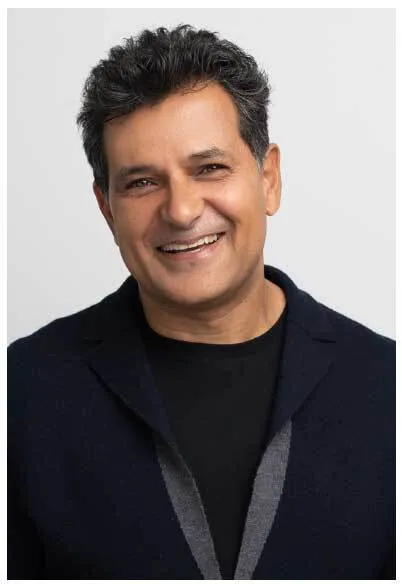
Dr Rahul Doshi is a leading UK cosmetic dentist, entrepreneur and former Clinical Director of Dentex/PortmanDentex, with 25+ years of experience in dentistry and practice growth. As co-founder of Dental Wealth Builder, he helps dentists, practice owners and dental groups build profitable, scalable and high-performing businesses...Know more
Turn This Into a Plan for Your Practice
Reading is a start. The DWB Growth System turns it into a structured, step-by-step plan built around your practice, so you know exactly what to focus on first and why. No generic playbook, no pressure to sign up, just a clear path built for where you are right now.
About the Author
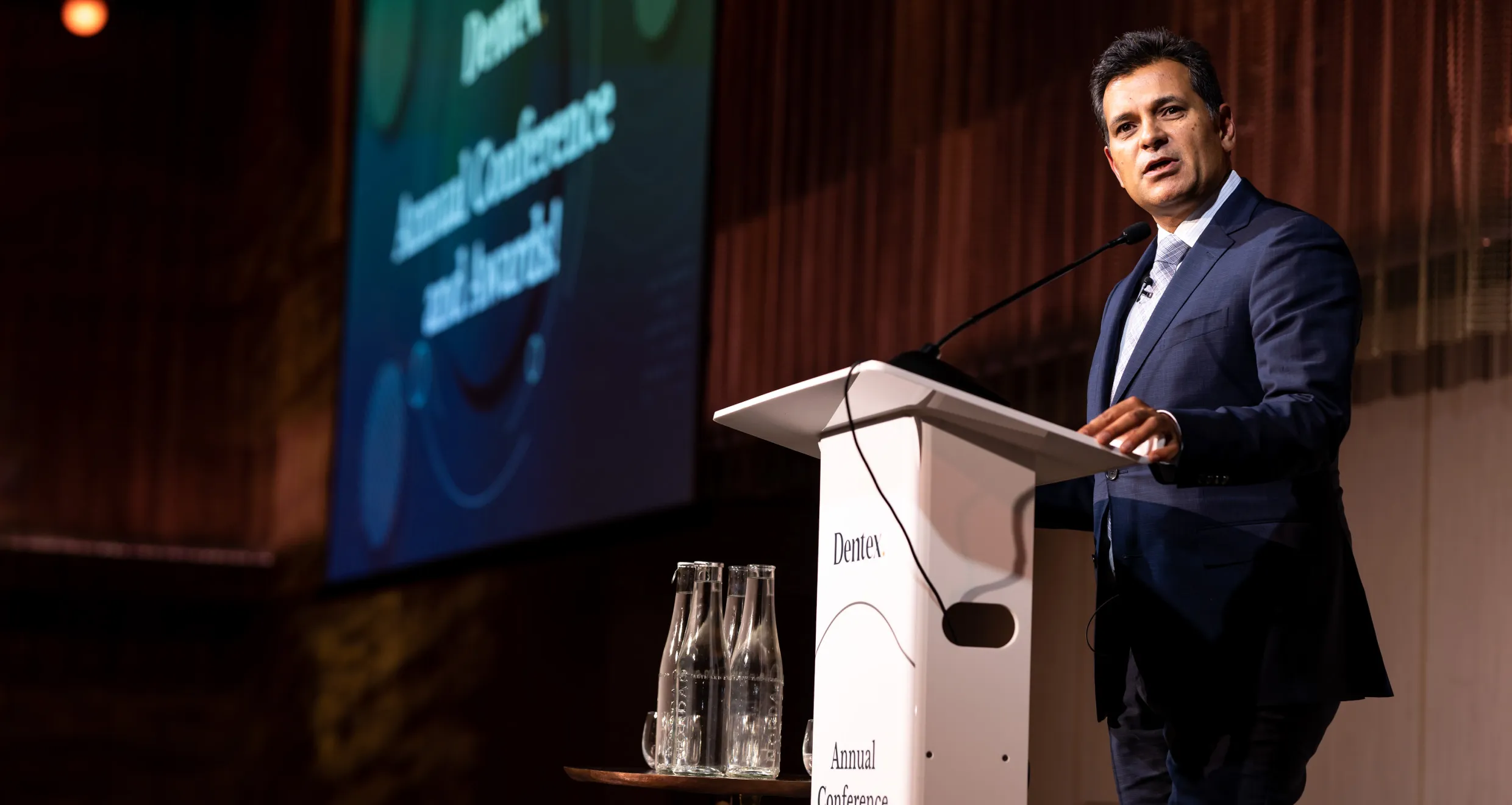
Dr Rahul Doshi
Dr Rahul Doshi, BDS (Lond.), LDSRCS (Eng.), is one of the UK’s most influential figures in cosmetic, comprehensive and business-led dentistry.
Widely recognised as one of the key dentists who helped introduce cosmetic dentistry to the UK over 25 years ago, Rahul is the founder of The Perfect Smile Studios and the Advanced Training Institute, where he trained dentists in Interdisciplinary Comprehensive Dentistry, including smile design, occlusion, treatment planning, full-mouth rehabilitation and advanced restorative care.
His experience extends far beyond clinical dentistry. Rahul has owned, led and scaled multiple award-winning dental practices, giving him first-hand insight into what it takes to build profitable, high-performing and team-led dental businesses. This practical experience now underpins his work with dental practice owners, multi-practice owners and dental groups who want to improve profitability, strengthen systems and scale with greater confidence.
Rahul has held several major leadership positions within the profession. As Clinical Director for Dentex Healthcare and later PortmanDentex, he helped support the growth and scaling of the group from inception to 185 practices, contributing strategic clinical leadership across one of the UK’s major dental organisations. He was also Clinical Director of the monthly dental publication Premium Practice Dentistry and a founding board member of the British Association of Private Dentistry.
A Past President of the British Academy of Cosmetic Dentistry, Rahul has been a long-standing judge for the Private Dentistry Awards and Dental Industry Awards. He has also been voted one of the UK’s Top 50 most influential dentists and recognised by his peers for his outstanding contribution to cosmetic dentistry.
As an inspirational national and international speaker, Rahul has lectured on cosmetic dentistry, smile makeovers, treatment planning, laser dentistry, leadership and practice growth across the UK, United States, UAE, Italy, India, Germany, Sweden and South Africa.
His work and expertise have been featured widely in national and international media, including the BBC, ITV, The Times, Daily Mail, The Guardian, Evening Standard, Marie Claire, Tatler and leading dental publications.
As co-founder of Dental Wealth Builder, Rahul now uses his rare combination of clinical excellence, entrepreneurial experience, multi-practice scaling and large-scale group leadership to help dentists, practice owners and dental groups build more profitable, scalable and rewarding businesses.