Dental Treatment Coordinator Training UK: How to Build a Case Acceptance System

>£225 million
additional profit created across DWB client practices
30 years
experience as owners of group practices
200+
dental practices coached worldwide
A common mistake is to send a treatment coordinator on a course, hand over the job title, and hope the numbers move. When the numbers do not move, the conclusion is usually “she's not quite right for it.” The search starts again for someone with more natural charm.
That is the wrong lesson. Dental treatment coordinator training UK practices actually benefit from is not really about training a person at all. It is about building a system the person then learns to run, one specific enough that the next person could pick it up too.
Why training on its own does not fix case acceptance
A course teaches technique. It does not tell your team what to say in week one when a patient goes quiet after hearing a number. It does not say what happens to a plan that stalls at “let me think about it.” It does not say who follows up if the TCO is off sick on the day a decision was due.
Those are system questions, not skill questions. A practice can send someone on excellent training and still watch acceptance stay flat. Nothing was built underneath the training to catch what happens once the course ends and a real Tuesday afternoon starts.
A genuine TCO training programme UK practices can rely on has to sit inside that system, not stand in for it. Training a person without building the system around her is a bit like teaching someone to drive without ever giving her a car. The skill exists. There is nowhere for it to go.
What a proper case acceptance system actually needs
A working system has four parts, and training only covers one of them.
● A consistent conversation structure the whole team uses, not just the TCO
● A documented way to present cost and phased options
● A follow-up process that runs whether or not the TCO remembers to chase it
● A way to track where plans are actually stalling, not just whether they were accepted
DWB's own case acceptance framework, used in TCO training with coaching clients, breaks the patient conversation into five stages. First, understand what the patient actually wants before explaining anything. Then align, by repeating that goal back in their own words.
Educate simply, walking through the recommended option and why it fits. Present the value in terms of real-life impact rather than clinical description. Finally, check readiness with an open question rather than a closing line. Five short stages, in that order, every time.
Training a team on that structure gives everyone the same conversation, whoever happens to be in the room. It also gives a practice manager something concrete to coach against, rather than a vague sense that some staff are naturally better with patients than others.
Building the system before the training: Dr Ali Rifai
Dr Ali Rifai's Surrey practice had hit what he describes as a wall. By 2018 he had lost some of his interest and confidence in pushing the business further. He had grown hesitant even to use practice space he had already expanded into.
DWB's coaching started with what the practice calls a Master Mind process, aligning Rifai and his team around a shared vision before any training happened. Only once that alignment existed did the system get built. A structured patient journey came first, then a treatment coordinator hired into a clearly defined role, then front desk training so reception could speak to treatment consistently. An end-of-month financial snapshot and a reception tally sheet were added to track enquiries and conversions properly, rather than relying on gut feel about how the practice was doing.
Turnover rose 25 to 30 per cent within the first year. DWB's coaches credit the tracking sheet specifically, not the TCO hire on its own, for catching where plans were actually stalling. Without it, the practice would have had a new job title and no way to see whether the conversation itself was improving.
Train the conversation, not just the person
Case acceptance systems fail when the TCO becomes the only person who can hold a proper conversation about treatment. If she is the sole point of consistency, the system collapses the moment she is on holiday.
Dr Jan Einfeldt took the opposite approach, building his case acceptance work around the whole team rather than around one gifted individual. Twenty years into running his Staplehurst practice, he introduced structured patient journey systems from consultation right through to completion. Alongside that, he introduced what DWB calls Communication Stacking, for the harder decisions on larger plans.
Communication Stacking breaks a big treatment plan into a sequence the patient can commit to in stages. Rather than asking for one large decision up front, it lets the patient say yes to the next visible step, then the one after that.
Acceptance of larger, more comprehensive treatment plans increased as a result. Einfeldt links the change to the process getting better at explaining, not to any one person becoming a stronger closer. The lesson is to train a repeatable system, not rely on one individual's natural ability.
Track the system, not just the outcome
A case acceptance rate on its own tells you the outcome, but not where the process is breaking down. It does not say whether plans are stalling at the first conversation, at the cost discussion, or somewhere in a follow-up that never happened.
Dr Philip McCauley built his implant practice from scratch with his wife, with no existing patient pipeline to fall back on. Alongside systemising his marketing, he put a treatment coordinator in place and systemised patient communication rather than leaving it to instinct. Five years on, his practice has placed over 2,700 implants with continuous year-on-year growth. Case acceptance sits above 95 per cent.
That kind of number does not come from one well-trained person having a good run. It comes from tracking enough of the process to know which stage of the conversation needs attention. Training can then focus on that specific stage, rather than running generic sales training and hoping it happens to cover the gap.
Train for the moment a plan actually stalls
Training often focuses heavily on the initial conversation. Yet many plans stall later, when a patient goes away to think and the follow-up process is unclear or inconsistent.
Priti Patel's own experience as a treatment coordinator is a useful illustration of what changes when a team is trained to handle that gap deliberately. She moved into the role from dental nursing with, in her own words, no real direction. DWB's coaches built a structured process around her rather than simply sending her on a course.
Her first case as a TCO was a £10,000 plan, in a practice that had previously struggled to get patients past £2,000. Four years on, she had a £45,000 case in progress. That kind of jump does not come from confidence alone. It comes from a process she trusted enough to repeat under pressure.
The training that matters most here is not a script for the first conversation. It is a documented way to reopen a stalled one. It covers what to ask, when to check back in, and how to phrase the follow-up so it does not sound like a debt collection call.
Language makes the difference. “You never came back to finish that treatment” puts a patient on the defensive. “There was treatment planned for you that was never completed, and I wanted to check what happened” does the same job without the accusation.
What good TCO training actually includes
Training that builds a real case acceptance system usually covers a narrower list than most courses attempt, and goes deeper on each item.
● A shared conversation structure the whole team, not just the TCO, can use
● Practice at reopening stalled decisions without sounding pushy
● A clear, non-scripted way to present cost as part of value, not as a number dropped in at the end
● A simple tracking method that shows where in the process plans are actually stalling
Notice what is missing from that list. There is no module on closing harder, because closing harder is rarely the actual problem. The problem is usually further back, in a conversation that never established what the patient wanted in the first place, or a follow-up that quietly never happened.
A well-run TCO training programme UK practices invest in should spend real time on presenting cost as part of value and reopening a stalled decision without sounding pushy. Those are practical skills that need rehearsal, clear language and a documented follow-up process.
Where this leaves your practice
If your practice already sent someone on a TCO course and the numbers barely moved, the course was probably not the issue. The system it was meant to sit inside likely was not built yet, so the training had nothing to plug into once the workshop ended.
Build the system first. A shared conversation structure, a documented follow-up process, and a way to track where plans stall. Train your team into that system, rather than training an individual and hoping the system appears around her afterwards. Once the system exists, training stops being a one-off event and becomes something you can repeat with every new hire.
If you want help building a case acceptance system your whole team can run, not just one person, book a practice coaching call with us. We will look at where your case acceptance is actually breaking down, and what a properly built system would need to include for your practice.
Frequently asked questions on Dental Treatment Coordinator Training
Is TCO training only useful once a practice has already hired a treatment coordinator?
No. Building the conversation structure and tracking method first means training lands on something solid, whether or not a dedicated hire exists yet. Some practices train an existing team member into the role rather than hiring externally, the way Priti Patel's practice did.
How long does it take to see a change in case acceptance after training?
It varies by practice. Dr Ali Rifai's team saw a 25 to 30 per cent turnover increase within the first year of building the system, not just running the training. Expect the tracking data to show early signals before the full-year number does.
Does the whole team need to be trained, or just the treatment coordinator?
The whole team. Reception, the dentist and the treatment coordinator all shape how consistent the patient's experience of the conversation feels. Training only the TCO leaves the rest of the system unbuilt.
What is the difference between TCO training and general sales training?
General sales training focuses on persuasion technique. A proper dental treatment coordinator training UK programme focuses on a documented process instead: understanding what the patient wants, presenting options plainly, and following up without relying on memory. That kind of system survives staff turnover and a busy week, where a persuasion technique on its own usually does not.
Sources: Dr Ali Rifai case study, Dr Jan Einfeldt case study, Dr Philip McCauley case study, Priti Patel case study.


Categories

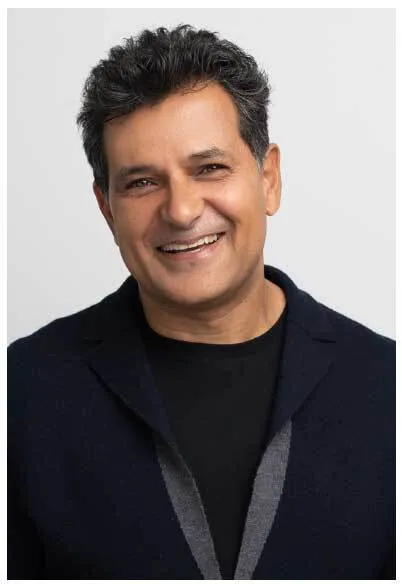
Dr Rahul Doshi is a leading UK cosmetic dentist, entrepreneur and former Clinical Director of Dentex/PortmanDentex, with 25+ years of experience in dentistry and practice growth. As co-founder of Dental Wealth Builder, he helps dentists, practice owners and dental groups build profitable, scalable and high-performing businesses...Know more
Turn This Into a Plan for Your Practice
Reading is a start. The DWB Growth System turns it into a structured, step-by-step plan built around your practice, so you know exactly what to focus on first and why. No generic playbook, no pressure to sign up, just a clear path built for where you are right now.
About the Author
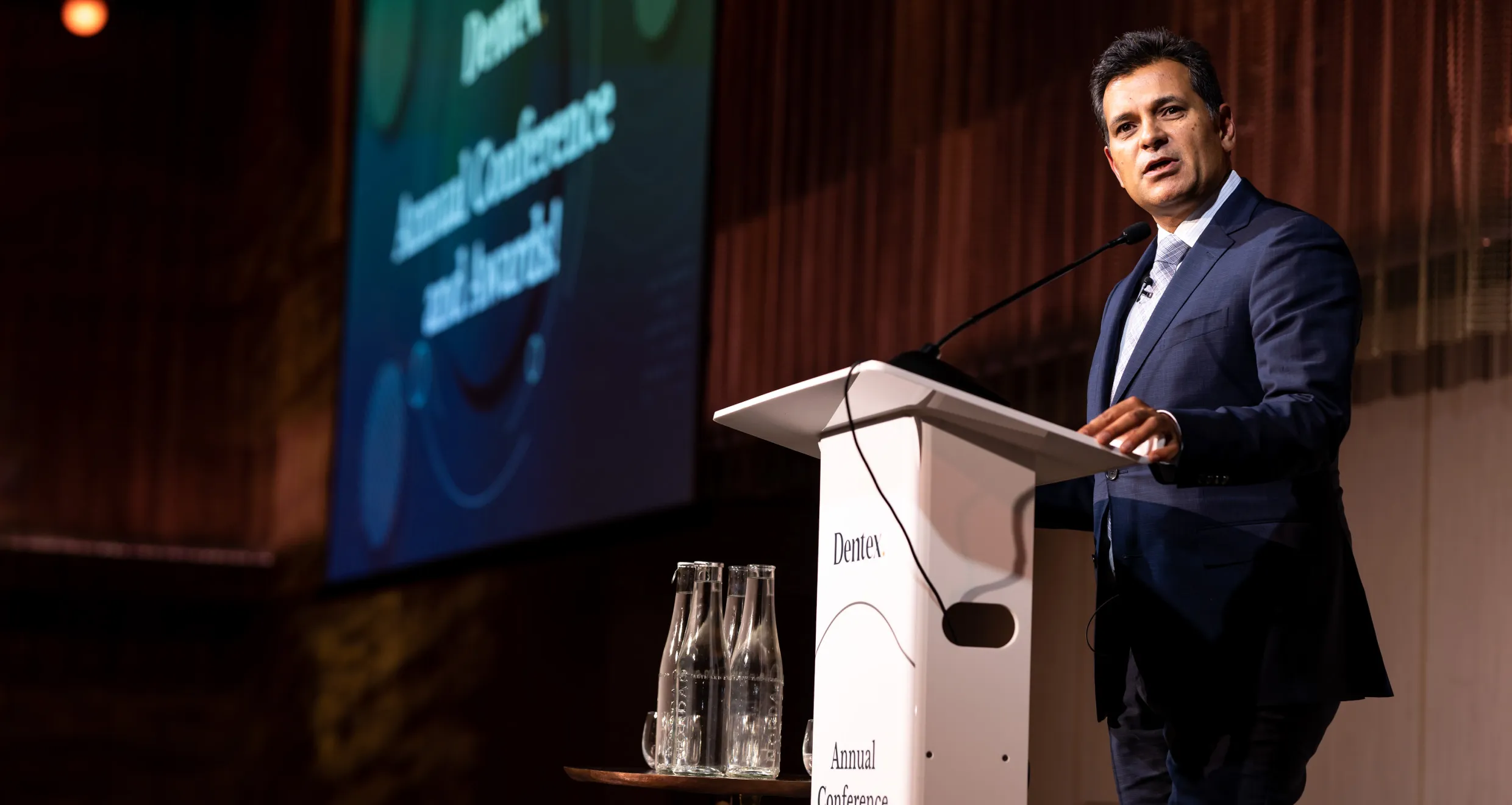
Dr Rahul Doshi
Dr Rahul Doshi, BDS (Lond.), LDSRCS (Eng.), is one of the UK’s most influential figures in cosmetic, comprehensive and business-led dentistry.
Widely recognised as one of the key dentists who helped introduce cosmetic dentistry to the UK over 25 years ago, Rahul is the founder of The Perfect Smile Studios and the Advanced Training Institute, where he trained dentists in Interdisciplinary Comprehensive Dentistry, including smile design, occlusion, treatment planning, full-mouth rehabilitation and advanced restorative care.
His experience extends far beyond clinical dentistry. Rahul has owned, led and scaled multiple award-winning dental practices, giving him first-hand insight into what it takes to build profitable, high-performing and team-led dental businesses. This practical experience now underpins his work with dental practice owners, multi-practice owners and dental groups who want to improve profitability, strengthen systems and scale with greater confidence.
Rahul has held several major leadership positions within the profession. As Clinical Director for Dentex Healthcare and later PortmanDentex, he helped support the growth and scaling of the group from inception to 185 practices, contributing strategic clinical leadership across one of the UK’s major dental organisations. He was also Clinical Director of the monthly dental publication Premium Practice Dentistry and a founding board member of the British Association of Private Dentistry.
A Past President of the British Academy of Cosmetic Dentistry, Rahul has been a long-standing judge for the Private Dentistry Awards and Dental Industry Awards. He has also been voted one of the UK’s Top 50 most influential dentists and recognised by his peers for his outstanding contribution to cosmetic dentistry.
As an inspirational national and international speaker, Rahul has lectured on cosmetic dentistry, smile makeovers, treatment planning, laser dentistry, leadership and practice growth across the UK, United States, UAE, Italy, India, Germany, Sweden and South Africa.
His work and expertise have been featured widely in national and international media, including the BBC, ITV, The Times, Daily Mail, The Guardian, Evening Standard, Marie Claire, Tatler and leading dental publications.
As co-founder of Dental Wealth Builder, Rahul now uses his rare combination of clinical excellence, entrepreneurial experience, multi-practice scaling and large-scale group leadership to help dentists, practice owners and dental groups build more profitable, scalable and rewarding businesses.