How to Open a Second Dental Practice UK: What Every Owner Must Prepare First

>£225 million
additional profit created across DWB client practices
30 years
experience as owners of group practices
200+
dental practices coached worldwide
Your first practice is working. Turnover's healthy, the team's settled, and you're starting to notice sites for sale in the next town over. Opening a second practice feels like the obvious next step.
It might be. But a second practice tests something your first one never had to. This time, you can't personally hold everything together through sheer presence and long hours, because you'll physically be somewhere else more often than not.
Buying or building a second site raises exactly the same seven questions your first practice did. Vision, clinical strategy, financial strategy, leadership, systems, patient communication and marketing all get tested again.
What changes is the stakes. Get any of these wrong at site two, and site one can suffer right alongside it, quietly and often before you've noticed.
Why a second practice is a different test than your first
Most owners assume expansion is a scaled-up version of what already worked. Find a location, secure funding, replicate the model. On paper, that's reasonable.
In practice, your first site succeeded partly because you were there. You caught problems early, made the judgement calls, and the team could always find you if something went wrong.
A second site removes that safety net for both practices at once, not just the new one. The real question before you commit isn't whether you can afford a second practice at all.
It's whether practice one can run well without you in the building most days, because that's exactly the position you'll be in once site two opens, whether you feel ready for it or not.
The real risk: does your first practice quietly suffer?
This is the failure mode we see most often. It's rarely dramatic. Attention drifts toward the new site, because new things demand attention. Meanwhile, the established practice keeps running on autopilot, and small problems that used to get caught early start slipping through.
Six months later, the owner notices case acceptance has dipped, or a strong team member has quietly left, and can't quite pinpoint when it started. It started the day focus split in two, and nobody explicitly took responsibility for what falls between the cracks when that happens.
Protecting the first practice has to be a deliberate part of the plan, not an assumption that it will simply carry on as before.
Buying an existing site or building a squat: the same seven fundamentals, higher stakes
If you buy an existing second practice, you inherit its patients, team, systems, reputation and historic performance. The central question is what changes once the previous owner leaves, and whether the business can genuinely support the future you want for it.
Historic accounts reflect someone else's practice, not yours. Some of that revenue depends on people, fee levels or a treatment mix that won't necessarily carry over once you're the one in charge.
If you build a squat instead, you create the patient base, team, systems and reputation from nothing. The central question becomes how long growth will realistically take.
Your plan and your funding need to survive that period. That's especially true while you're also running an existing practice alongside it, one with its own costs continuing regardless of how the new site performs.
A useful test either way: can you explain, with real evidence, how each of the seven fundamentals will actually work at the new site? If your honest answer leans mainly on hope, enthusiasm or someone else's assumptions, that's worth a much closer look before you sign anything at all.
Can your systems actually travel to a new site?
A system that only works because one experienced team member instinctively knows what to do isn't a system. It's a habit that lives in one person's head, and it won't survive being copied to a second location without that same person standing there.
Before opening a second practice, identify which of your processes are genuinely documented, measured and followed by more than one person. Enquiry handling, diary management, stock, compliance and patient follow-up all need a written process. Not an unwritten one that lives only in someone's head.
That written process has to work for whoever happens to be on shift that day. It can't just work for the one person who's always covered it until now.
If a process only exists because you personally enforce it, it isn't ready to be replicated somewhere you won't be standing.
Will the second site attract the right patients, or just spread you thinner?
Excellent dentistry and great service are expected everywhere. On their own, they don't explain which patients a second site is actually designed to serve, or why someone would choose it over an established practice already down the road.
If you're buying an existing second practice, the question is whether its current patient base, reputation and referral patterns genuinely support the dentistry you intend to develop there. If you're building a squat, you need real evidence that local demand exists, and a phased plan for building the right clinical proposition without over-investing before you know it will land.
Either way, a second site built mainly around available premises or attractive equipment, rather than tested demand, tends to underperform quietly for years rather than failing outright.
Leadership at a distance
Ownership already changes your role once, from clinician to leader. A second site changes it again, because now you're leading two teams without being physically present for either one most of the time.
Someone at site one needs the authority, and the confidence, to make decisions without checking with you first. That usually means a practice manager or a senior clinician with clearly defined decision rights, not just someone who's been there the longest. Without that clarity, every meaningful decision still funnels back to you, and you've simply doubled the bottleneck instead of removing it.
The financial reality of running two sites at once
Turnover projections for a second site can look attractive on a spreadsheet. What they don't always show clearly is the working capital needed to fund a second fit-out and a second team's payroll.
Add a second period of slower-than-hoped growth on top of that. All while your first practice still has its own ongoing costs to cover, and the real number looks quite different from the one on the projection.
Ask plainly what happens if the new site's income grows at half the rate you've projected. What's the combined monthly cash requirement across both practices, and does the first practice's profit alone comfortably absorb a stretch like that? A second site that quietly drains cash from a healthy first one isn't the growth story anyone signs up for.
What to prove at site one before you open site two
Before committing to a second practice, be honest about what you can currently demonstrate at your first. Can the team run a full day without you making a single operational decision? Is case acceptance consistent across every dentist, not concentrated in you? Do you have a manager or senior team member who could genuinely run the practice for a month without daily input from you?
If the answer to any of those is no, that's the work to finish first. A second site amplifies whatever is already true about your first one, for better or worse.
Where this leaves you
A second practice can be the natural next stage of a strong first one. It can also quietly undo what you've already built. It comes down to whether your first practice can genuinely stand on its own, before you ask it to share your attention with a second.
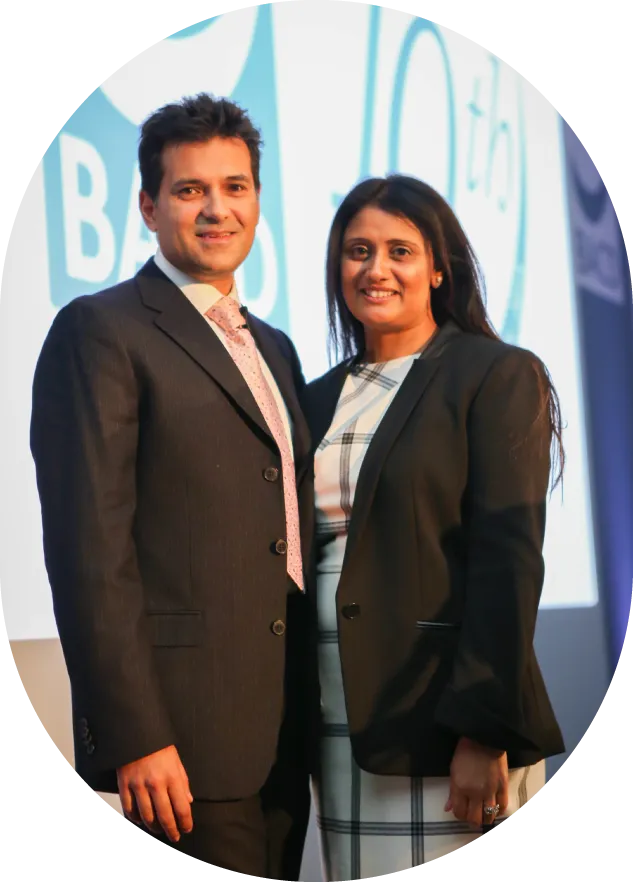
We've built more than one practice ourselves. We know exactly how much that split attention tests everything you thought was already solid.
If you want an honest read on whether your first practice, and your plans for a second, are actually ready, that conversation is worth having first. Have it before you sign anything at all.
Talk to us about preparing for a second dental practice.
Frequently asked questions on Opening a Second Dental Practice in the UK
How do I know if my first practice is ready to support a second?
Look for three things: consistent case acceptance across the whole team, not just you; a manager or senior clinician who can make real decisions independently; and documented systems that don't rely on one person's memory. Those in place, the first practice is in a far stronger position to survive you stepping back from it.
Is it better to buy an established second practice or build a squat?
It depends what you're solving for. Buying gives you patients, a team and historic performance immediately, but the real risk is what changes once the previous owner leaves. Building gives you full control from day one, though growth takes time.
The plan has to survive that period financially while your first site keeps running too.
How much of my time should the second practice take once it's open?
Enough to establish it properly in the early months, then progressively less as the systems and leadership at that site take hold. If you're still needed there daily a year in, that points to a gap in systems or leadership. It isn't simply a site that needs more of you personally.
What's the most common reason a second practice damages the first?
Attention splits without anyone explicitly taking responsibility for what the owner used to catch personally at site one. It's rarely one big failure. It's a series of small things slipping through, because nobody was clearly accountable for noticing them once your attention moved elsewhere.
Should I wait until my first practice is debt-free before considering a second?
Not necessarily, but you do need genuine clarity on combined cash flow across both sites. Comfort with your current debt level on the first isn't the same thing. A lender's willingness to fund a second site isn't the same question as whether your practices can comfortably absorb a slower-than-planned start together.
What role does marketing play when opening a second site?
Less than most owners expect at the start. The fastest early opportunities usually sit closer to home: existing patients who've moved, internal referrals and a reputation that hasn't yet reached the new location. A wider marketing push matters more once the new site's enquiry handling and conversion process are actually ready to make use of it.


Categories

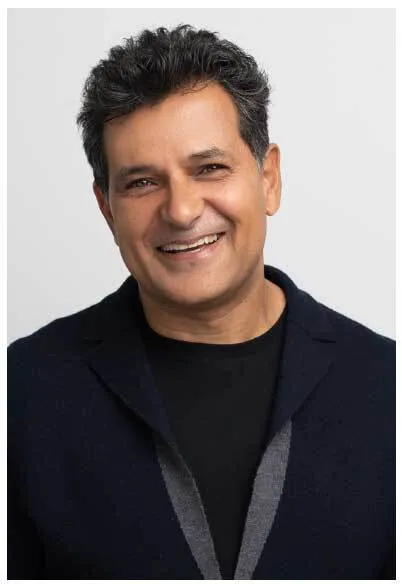
Dr Rahul Doshi is a leading UK cosmetic dentist, entrepreneur and former Clinical Director of Dentex/PortmanDentex, with 25+ years of experience in dentistry and practice growth. As co-founder of Dental Wealth Builder, he helps dentists, practice owners and dental groups build profitable, scalable and high-performing businesses… Know more
Turn This Into a Plan for Your Practice
Reading is a start. The DWB Growth System turns it into a structured, step-by-step plan built around your practice, so you know exactly what to focus on first and why. No generic playbook, no pressure to sign up, just a clear path built for where you are right now.
About the Author
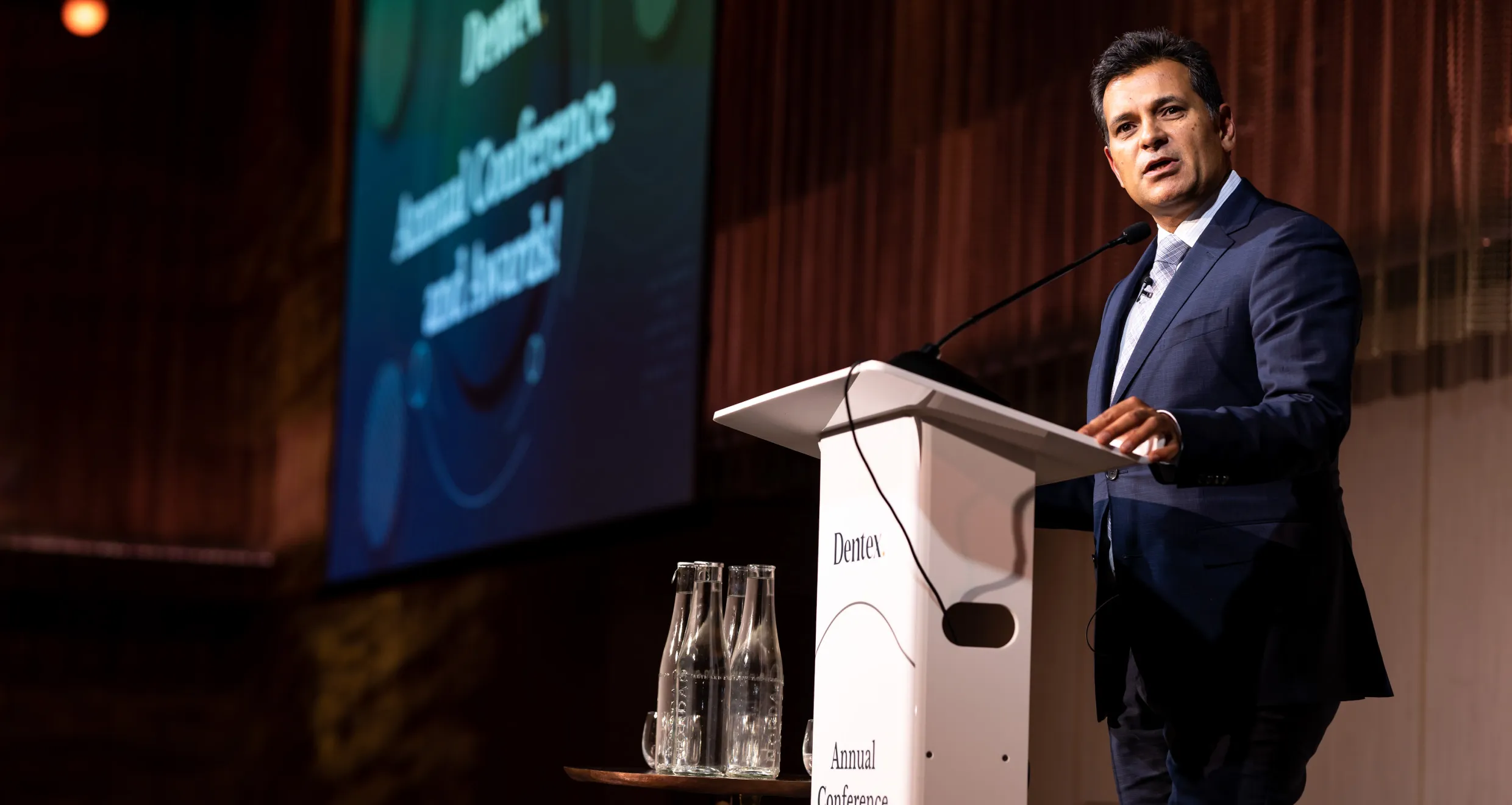
Dr Rahul Doshi
Dr Rahul Doshi, BDS (Lond.), LDSRCS (Eng.), is one of the UK’s most influential figures in cosmetic, comprehensive and business-led dentistry.
Widely recognised as one of the key dentists who helped introduce cosmetic dentistry to the UK over 25 years ago, Rahul is the founder of The Perfect Smile Studios and the Advanced Training Institute, where he trained dentists in Interdisciplinary Comprehensive Dentistry, including smile design, occlusion, treatment planning, full-mouth rehabilitation and advanced restorative care.
His experience extends far beyond clinical dentistry. Rahul has owned, led and scaled multiple award-winning dental practices, giving him first-hand insight into what it takes to build profitable, high-performing and team-led dental businesses. This practical experience now underpins his work with dental practice owners, multi-practice owners and dental groups who want to improve profitability, strengthen systems and scale with greater confidence.
Rahul has held several major leadership positions within the profession. As Clinical Director for Dentex Healthcare and later PortmanDentex, he helped support the growth and scaling of the group from inception to 185 practices, contributing strategic clinical leadership across one of the UK’s major dental organisations. He was also Clinical Director of the monthly dental publication Premium Practice Dentistry and a founding board member of the British Association of Private Dentistry.
A Past President of the British Academy of Cosmetic Dentistry, Rahul has been a long-standing judge for the Private Dentistry Awards and Dental Industry Awards. He has also been voted one of the UK’s Top 50 most influential dentists and recognised by his peers for his outstanding contribution to cosmetic dentistry.
As an inspirational national and international speaker, Rahul has lectured on cosmetic dentistry, smile makeovers, treatment planning, laser dentistry, leadership and practice growth across the UK, United States, UAE, Italy, India, Germany, Sweden and South Africa.
His work and expertise have been featured widely in national and international media, including the BBC, ITV, The Times, Daily Mail, The Guardian, Evening Standard, Marie Claire, Tatler and leading dental publications.
As co-founder of Dental Wealth Builder, Rahul now uses his rare combination of clinical excellence, entrepreneurial experience, multi-practice scaling and large-scale group leadership to help dentists, practice owners and dental groups build more profitable, scalable and rewarding businesses.