How to Present a Dental Treatment Plan That Patients Actually Say Yes To
>£225 million
additional profit created across DWB client practices
30 years
experience as owners of group practices
200+
dental practices coached worldwide
A patient nods through the whole consultation. You explain the diagnosis, walk through the options, and answer every question with care. Then the plan goes home with them or lands in their inbox. You never hear back.
That gap, between a patient understanding a plan and a patient accepting it, is where treatment value quietly disappears. Learning how to present dental treatment plans well is not about talking faster or pushing harder. It is about running the conversation in an order that actually helps someone decide. That is a skill you can build deliberately, not one that simply develops with time and enough consultations.
What the patient is actually weighing up
In our work at DWB, we've seen patients decline a treatment plan for reasons that have little to do with the clinical logic. Something else was left unresolved. Perhaps they don't trust the sequence, the cost doesn't fit their own priorities, or nobody asked what they wanted before explaining what they needed.
The practices we coach that improve case acceptance treat the case presentation as a conversation, not a report. The starting point is a single question before a single word about treatment: what matters most to this patient about their teeth or their smile. That answer shapes everything that follows. It also tells you which parts of the clinical picture are worth spending time on and which ones can wait.
Dr Sagar Shah, an implant and cosmetic specialist we coached, rebuilt his consultation technique around this idea. He leaned on active listening and solution-orientated questions rather than leading with clinical findings and built a visual tool to help patients follow complex plans instead of holding the whole sequence in their heads. Acceptance of his higher-value cases, including full-mouth rehabilitations, improved as a result. His working week also shortened as his overall approach to planning and patient communication became more structured. You can see more about his experience in the Dr Sagar Shah case study.
Comprehensive aesthetic cases raise the difficulty of this conversation considerably, which is the subject of business coaching for cosmetic dentists.
Ask before you explain
Once you know what the patient actually wants, repeat it back before offering a solution. It sounds small. But confirming their goal in their own words turns a clinical explanation into something personal rather than a lecture.
Only then walk through the options, starting with the one you recommend and why. Explain what it changes for them in real terms, not just clinical ones: what they will be able to do, stop worrying about, or no longer avoid. That is a different question from what the X-ray shows.
A patient who understands what a plan means for their daily life is weighing something they can actually decide on. They are no longer trying to translate dentistry into their own priorities under time pressure.
This matters for a straightforward filling as much as it does for a full smile rebuild. What changes is how much time the conversation needs. Whether the conversation is needed at all does not change.
How to present a treatment plan as a sequence, not a list of findings
Complex plans can fail in the room because of how they are explained, not what they contain. Reading through findings tooth by tooth, in diagnosis order, with every material risk listed at once, is complete. It does not help a patient decide.
Structure the plan the way the patient will actually experience it. What happens first, what happens next, roughly how long the whole course takes, and what changes at each stage.
Dr Jan Einfeldt, twenty years into running his Staplehurst practice, introduced what DWB calls 'communication stacking' for exactly this kind of decision. It breaks larger plans into a sequence the patient can follow and commit to in stages, rather than one enormous decision up front. Acceptance of larger, more comprehensive treatment plans increased as a result, alongside better team morale from having a shared way of explaining big cases.
Phasing is not a discount tactic. It can be the difference between a patient who can picture themselves completing the plan and one who cannot. For practices looking to develop a more consistent approach, DWB also explores case acceptance as part of its coaching approach.
Talk about money as part of the plan, not the end of it
Cost conversations go wrong when they happen after everything else, as a number dropped in at the end. Bring investment into the conversation earlier, alongside the outcome it buys. Then the patient is weighed, rather than being ambushed by a total once the clinical explanation is finished.
When cost is the stated objection, resist the urge to defend the price straight away. Ask what specifically needs more thought: the treatment itself, the timing, or the investment. In our work at DWB, we've found that a price objection can be a request for more clarity rather than a final no. Treating it as a flat no tends to end the conversation before it has properly started.
Priti Patel moved from a dental nursing role into treatment coordination after DWB coaches spotted that she was good with people. In a practice that had struggled to get patients past £2,000, her first case as a treatment coordinator was £10,000. Four years on, she had a £45,000 case in progress.
Dr Shreyas Mhatre, an associate we coached, describes a similar shift in his own confidence. He went from hesitantly presenting £3,000 to £5,000 plans to recommending £18,000 plans without the same discomfort, because he had come to believe in the value himself. Neither change came from a better sales pitch. Both came from a clearer, more patient-led conversation about value, held earlier and more openly than either of them had been used to. For a deeper look at the issue of communicating the value of larger plans, see how to help patients accept expensive dental treatments.
Get the whole team saying the same thing
A patient's confidence in a plan is not built in one conversation. It is built, or undone, across every person they speak to before, during and after the appointment where the plan is presented.
Reception might reassure a nervous patient, a treatment coordinator walks them through the detail, and the dentist confirms the clinical reasoning. When those three conversations line up, the plan sounds consistent from every direction. When they contradict each other even slightly, the patient notices. In our experience, that hesitation often has little to do with the treatment itself.
This does not require a script that sounds rehearsed. It requires everyone in the practice to know the same basic facts about a plan and to use a similar tone for discussing it. Then a patient's questions get answered the same way twice, wherever in the practice they happen to ask them. That consistency is closely connected to communicating with clarity across the practice.
Check readiness before you close
Do not end a presentation by simply asking whether the patient wants to go ahead, because that question forces a yes or no before some patients feel ready to answer either way.
Instead, check where they actually are: how does that sound so far, or what is still unclear? That gives a hesitant or thoughtful patient room to name the real barrier, whether it is confidence, timing or cost. It stops them defaulting to “I need to think about it” simply because nobody asked anything more specific.
This is not just a closing technique. It is the same principle DWB coaches build into the whole patient journey: understand first, explain plainly, then check in before assuming agreement. Understanding what patients perceive and value can make that process more effective, which is why patient perception and case acceptance are so closely connected.
If they still need time
Some patients will want to think it over, and that is a reasonable response to a genuine decision, not a rejection to argue with.
Ask what they specifically want to think through, rather than leaving it open-ended. Then agree on a real date to check back in, rather than a vague promise to follow up later. A dated next step respects the patient's pace. It also stops the plan quietly disappearing into a drawer, which is exactly where unconverted treatment value ends up sitting month after month.
How you frame that follow-up matters. Language such as “you never came back to finish it” puts a patient on the defensive. Try this instead: “There was treatment planned for you that was never completed, and I wanted to check what happened.” It does the same job without the accusation, and it tends to get a warmer response.
Where does this leave your next case presentation?
None of this replaces clinical judgement. It changes how much of that judgement actually reaches the patient in a form they can act on.
Sales and case acceptance is a recurring area in DWB coaching because it connects clinical recommendations with the wider patient journey. A strong treatment plan that never gets explained properly helps nobody. It doesn't help the patient, the practice, or the associate who did the clinical work in the first place. The skill sits alongside diagnosis, not underneath it, and it is just as trainable.
These dental treatment presentation tips apply whether you are presenting your first case or your five-hundredth. What changes is not the underlying process. It is how naturally you can run it under pressure, on a busy Tuesday, with a patient who needs more than a rushed five minutes.
If you want structured support building this into how you and your team present treatment plans, book a call with our associate coaching team. We will look at what is getting in the way of your case acceptance and what a more consistent presentation process could look like for your practice.
Frequently asked questions on Dental Treatment Plan
What if a patient asks a clinical question I cannot answer on the spot?
Say so plainly and arrange a specific follow-up rather than guessing. Patients trust an honest “let me confirm that and come back to you today” far more than a guessed answer that later turns out to be wrong.
Should reception or a treatment coordinator present the cost, not the dentist?
Either can work, provided whoever presents costs understands the clinical reasoning behind it. What matters more than job title is whether the whole team explains the plan the same way. The patient should hear one consistent story, not several slightly different ones depending on who they speak to.
How long should a treatment plan presentation take?
Long enough to answer the patient's actual questions, not a fixed number of minutes. A five-minute plan and a comprehensive full-mouth rehabilitation plan need different amounts of room. Rushing either one erodes trust more than it saves time.
What if a patient keeps deferring the decision?
Agree a specific date to revisit rather than leaving it open-ended. If nothing has changed by then, a short clinical review, not a repeat of the original pitch, is the more honest next step.
Sources: Dr Sagar Shah case study, Dr Jan Einfeldt case study, Priti Patel case study, Dr Shreyas Mhatre case study.


05 Sep 26
Categories

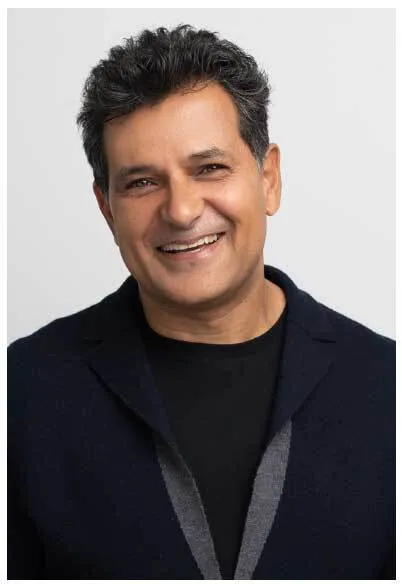
Dr Rahul Doshi is a leading UK cosmetic dentist, entrepreneur and former Clinical Director of Dentex/PortmanDentex, with 25+ years of experience in dentistry and practice growth. As co-founder of Dental Wealth Builder, he helps dentists, practice owners and dental groups build profitable, scalable and high-performing businesses...Know more
Turn This Into a Plan for Your Practice
Reading is a start. The DWB Growth System turns it into a structured, step-by-step plan built around your practice, so you know exactly what to focus on first and why. No generic playbook, no pressure to sign up, just a clear path built for where you are right now.
About the Author
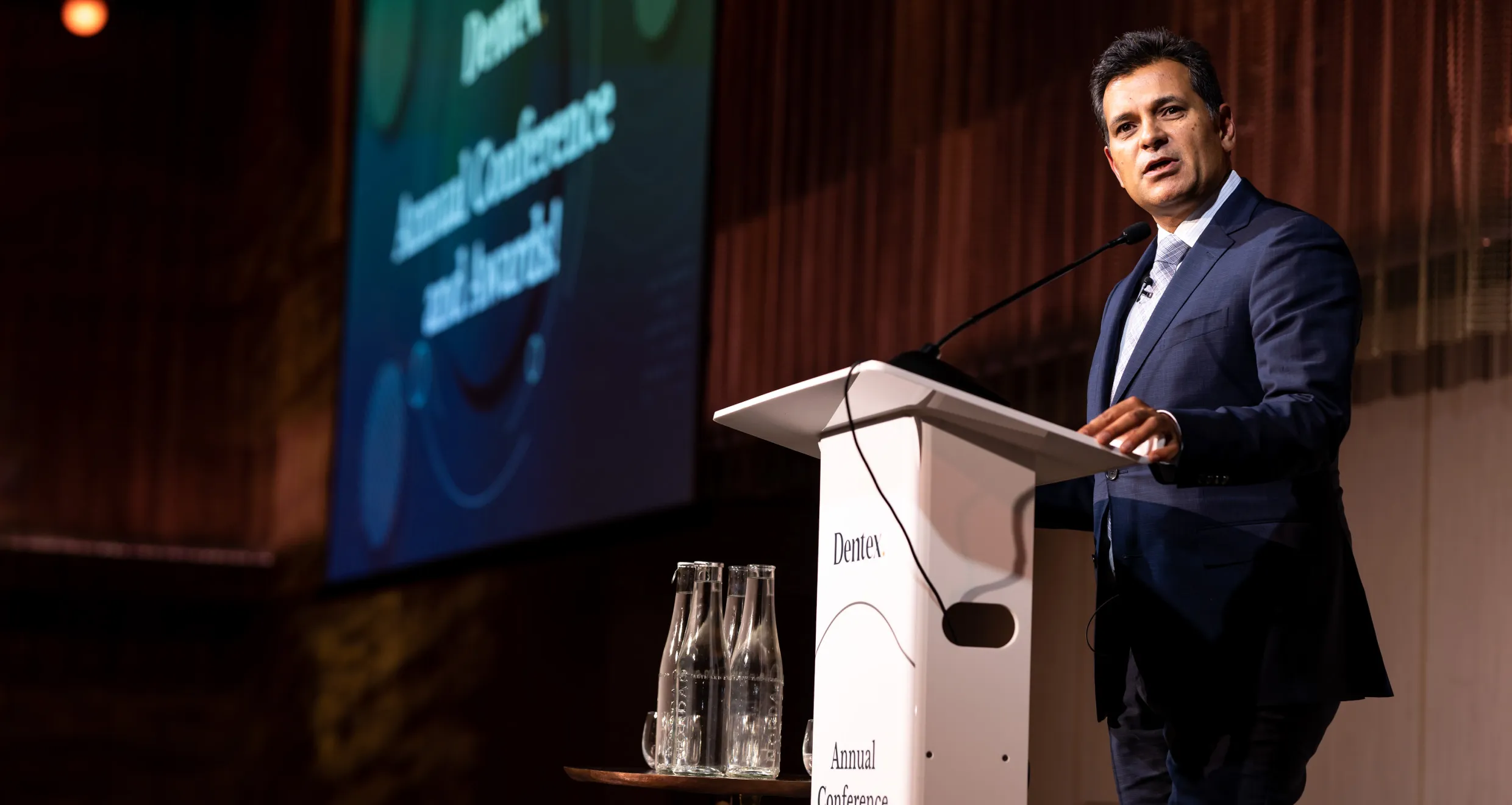
Dr Rahul Doshi
Dr Rahul Doshi, BDS (Lond.), LDSRCS (Eng.), is one of the UK’s most influential figures in cosmetic, comprehensive and business-led dentistry.
Widely recognised as one of the key dentists who helped introduce cosmetic dentistry to the UK over 25 years ago, Rahul is the founder of The Perfect Smile Studios and the Advanced Training Institute, where he trained dentists in Interdisciplinary Comprehensive Dentistry, including smile design, occlusion, treatment planning, full-mouth rehabilitation and advanced restorative care.
His experience extends far beyond clinical dentistry. Rahul has owned, led and scaled multiple award-winning dental practices, giving him first-hand insight into what it takes to build profitable, high-performing and team-led dental businesses. This practical experience now underpins his work with dental practice owners, multi-practice owners and dental groups who want to improve profitability, strengthen systems and scale with greater confidence.
Rahul has held several major leadership positions within the profession. As Clinical Director for Dentex Healthcare and later PortmanDentex, he helped support the growth and scaling of the group from inception to 185 practices, contributing strategic clinical leadership across one of the UK’s major dental organisations. He was also Clinical Director of the monthly dental publication Premium Practice Dentistry and a founding board member of the British Association of Private Dentistry.
A Past President of the British Academy of Cosmetic Dentistry, Rahul has been a long-standing judge for the Private Dentistry Awards and Dental Industry Awards. He has also been voted one of the UK’s Top 50 most influential dentists and recognised by his peers for his outstanding contribution to cosmetic dentistry.
As an inspirational national and international speaker, Rahul has lectured on cosmetic dentistry, smile makeovers, treatment planning, laser dentistry, leadership and practice growth across the UK, United States, UAE, Italy, India, Germany, Sweden and South Africa.
His work and expertise have been featured widely in national and international media, including the BBC, ITV, The Times, Daily Mail, The Guardian, Evening Standard, Marie Claire, Tatler and leading dental publications.
As co-founder of Dental Wealth Builder, Rahul now uses his rare combination of clinical excellence, entrepreneurial experience, multi-practice scaling and large-scale group leadership to help dentists, practice owners and dental groups build more profitable, scalable and rewarding businesses.