How to Move From NHS to Private as a Dental Associate

>£225 million
additional profit created across DWB client practices
30 years
experience as owners of group practices
200+
dental practices coached worldwide
You didn't spend five years in dental school to spend your career watching the clock against a UDA target. If you're an associate wondering whether going private would give you back your time and your income, that instinct is worth taking seriously.
In our experience, dental associates going private in the UK stall on the conversation, not the dentistry. Nobody taught them what changes in the pricing and the patient relationship once NHS contracts leave the room.
At Dental Wealth Builder, converting clinicians and practices from NHS to private work has been part of our coaching experience for more than 30 years. We know exactly where confidence breaks down first, and in our experience it's the conversation, not the dentistry.
Why the conversation feels harder than the clinical work
NHS dentistry operates within a defined contractual and patient-charge framework. For many associates, that can mean less involvement in setting fees or explaining why a particular private fee is appropriate.
Private dentistry changes that conversation. You still have the same professional duty to put the patient's interests first, explain all relevant treatment options and costs, and obtain valid consent. The difference is that you may also need to communicate the value and fee of private treatment clearly and confidently.
In our work coaching associates through this shift, that's exactly where confidence dips. Explaining value and naming a fee in one conversation is a skill NHS training doesn't cover.
It isn't a confidence problem you're born with. It's a skill nobody taught you. That means it's a skill you can learn. You'll learn it the same deliberate way you learned to place a crown or read a radiograph, one step at a time.
Build the conversation before you need it
One DWB coaching client came to us as an associate spending more and more time with patients while feeling that work was taking too much time away from family life and not producing the financial progress expected.
He had previously felt hesitant discussing higher-value treatment plans. Coaching did not replace clinical judgement. It helped him communicate appropriate options, value and costs more clearly, and his confidence developed from there.
As his communication developed, he became more comfortable discussing substantially higher-value treatment plans. His income increased significantly and, over time, he was also able to improve the balance between clinical work and family life.
Notice what changed. His clinical judgement remained central, but he became more confident explaining appropriate treatment, its value and its cost. The goal was not to make treatment plans bigger. It was to make the conversation clearer and more patient-centred.
Learn to answer the NHS question before a patient asks it
In our coaching conversations, one phone call comes up again and again: "Do you still do NHS?" How you answer that question sets the tone for everything that follows. Answer it calmly, without apologising for your fees, and the rest of the conversation follows your lead.
Part of our associate coaching works through this directly. We agree the language for explaining NHS and private treatment before the phone ever rings. That way the answer sounds like confidence rather than a shrug.
Patients need clear, accurate information rather than an improvised sales response. Agreeing consistent language for common questions can help the whole team explain the practice's NHS and private arrangements accurately, while still giving each patient the time and information needed to make their own decision.
Build a pipeline, not just a price list
Confidence in the room only gets you so far if your diary still depends heavily on NHS work. Another past DWB coaching client had advanced clinical training but no defined long-term plan. He was working six days a week without feeling any closer to the professional or personal life he wanted.
The coaching process helped him create long-term goals, develop a more structured approach to presenting complex treatment and clarify how he positioned his clinical work. Over time, he reduced his working week while increasing his income and improved acceptance of higher-value cases.
Raising your hourly production and case acceptance is one part of this. The second part is building a personal brand inside your own practice. Patients start asking for you by name, instead of whichever associate happens to have an open slot that week.
The third part is tracking your own contribution well enough that you can prove it, not just feel it. None of this needs practice ownership to start. It starts with the diary you already have, and the patients already on it.
Talk to your practice owner with evidence, not a request
The instinct is to approach the NHS-to-private conversation with your principal as a request for more private time. A stronger approach brings evidence first. Show your current case acceptance rate, your average treatment value, and how both have moved since you changed the way you present treatment.
A weekly habit of reviewing your own numbers changes this conversation completely, rather than reacting to them once a quarter. It sounds unglamorous, but it's one of the more overlooked parts of this transition.
When you can show a principal exactly what your private conversion looks like on paper, the conversation changes shape. It stops being about your diary, your split or your private list in the abstract. You're no longer asking for trust. You're presenting it, in figures your principal can check for themselves.
In our coaching, the first 90 days focus on exactly this: a baseline of your current numbers, a clear 90-day target, and the specific communication skills that move the two closer together. Without a baseline, you can't prove the shift even when it happens, and a principal is far more likely to back a plan they can see working week by week.
The mindset shift: value, not price
In our coaching conversations, we hear the same assumption from associates moving toward private work. They think the job is to charge more for the same conversation. It isn't.
It's learning to have a fuller conversation, one that actually explains the treatment options and their consequences. That fuller conversation happens to include a fee.
Patients are better placed to make an informed decision when they understand the relevant options, risks, benefits, likely outcomes and costs, and when those discussions relate to their individual priorities. The aim is not to persuade a patient into higher-value treatment. It is to communicate clearly enough for the patient to make an informed choice. That distinction is central to DWB's approach to associate communication coaching.
We have seen the same shift with different DWB coaching clients across different clinical disciplines. The clinical skill was not necessarily the first thing that changed. Their confidence in communicating the value of appropriate treatment changed, followed by improvements in the commercial measures they were tracking.
What this looks like for you
DWB doesn't run one fixed programme for each associate. We start by understanding your current practice, your goals, and how much of this you can realistically take on alongside clinical work. Then we build the pathway from there.
For some associates that means strengthening treatment presentation inside their current role. For others it means negotiating better terms, building a private patient base, or preparing for a fully private position elsewhere. The starting point is the same either way: understanding exactly where you stand today, not guessing.
Frequently asked questions on Moving From NHS to Private as a Dental Associate
Do I need to leave my current practice to go private?
Not necessarily. Some associates build their private work gradually within the same practice. They improve case presentation and build a patient base who choose them specifically, before any decision about moving practices gets made.
How long does it take to build confidence with private treatment planning?
It depends on where you're starting from and how much of the communication work is needed alongside the clinical side. That's why DWB assesses each associate individually rather than promising a fixed timeline.
Will patients accept higher fees than they were paying on the NHS?
Patients may choose private treatment when they clearly understand the available options, potential benefits, risks, likely outcomes and costs, and decide that the private option is appropriate for their own priorities. There is no guarantee that a patient will accept a higher fee, nor should that be the objective of the consent conversation.
Do I need my own patient list to start charging privately?
No. Past DWB coaching clients have built greater confidence in private treatment conversations and increased the value of appropriate cases while working as associates within an existing practice.
If you're ready to have that conversation with confidence instead of hesitation, book an Associate Coaching call. We'll help you work out what your own pathway from NHS to private actually looks like.


Categories

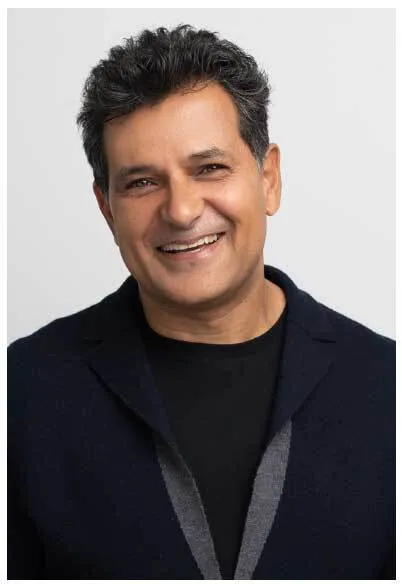
Dr Rahul Doshi is a leading UK cosmetic dentist, entrepreneur and former Clinical Director of Dentex/PortmanDentex, with 25+ years of experience in dentistry and practice growth. As co-founder of Dental Wealth Builder, he helps dentists, practice owners and dental groups build profitable, scalable and high-performing businesses… Know more
Turn This Into a Plan for Your Practice
Reading is a start. The DWB Growth System turns it into a structured, step-by-step plan built around your practice, so you know exactly what to focus on first and why. No generic playbook, no pressure to sign up, just a clear path built for where you are right now.
About the Author
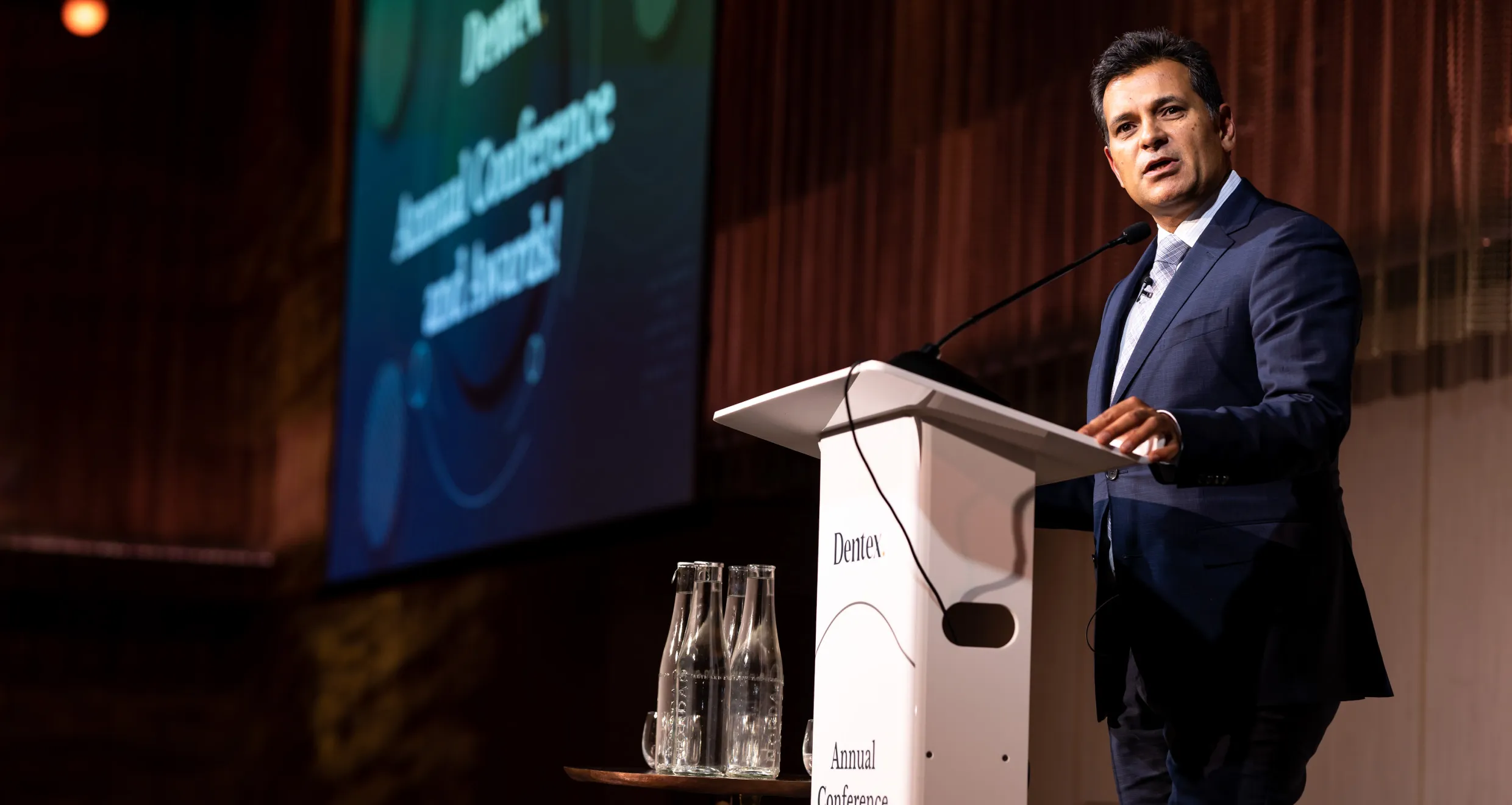
Dr Rahul Doshi
Dr Rahul Doshi, BDS (Lond.), LDSRCS (Eng.), is one of the UK’s most influential figures in cosmetic, comprehensive and business-led dentistry.
Widely recognised as one of the key dentists who helped introduce cosmetic dentistry to the UK over 25 years ago, Rahul is the founder of The Perfect Smile Studios and the Advanced Training Institute, where he trained dentists in Interdisciplinary Comprehensive Dentistry, including smile design, occlusion, treatment planning, full-mouth rehabilitation and advanced restorative care.
His experience extends far beyond clinical dentistry. Rahul has owned, led and scaled multiple award-winning dental practices, giving him first-hand insight into what it takes to build profitable, high-performing and team-led dental businesses. This practical experience now underpins his work with dental practice owners, multi-practice owners and dental groups who want to improve profitability, strengthen systems and scale with greater confidence.
Rahul has held several major leadership positions within the profession. As Clinical Director for Dentex Healthcare and later PortmanDentex, he helped support the growth and scaling of the group from inception to 185 practices, contributing strategic clinical leadership across one of the UK’s major dental organisations. He was also Clinical Director of the monthly dental publication Premium Practice Dentistry and a founding board member of the British Association of Private Dentistry.
A Past President of the British Academy of Cosmetic Dentistry, Rahul has been a long-standing judge for the Private Dentistry Awards and Dental Industry Awards. He has also been voted one of the UK’s Top 50 most influential dentists and recognised by his peers for his outstanding contribution to cosmetic dentistry.
As an inspirational national and international speaker, Rahul has lectured on cosmetic dentistry, smile makeovers, treatment planning, laser dentistry, leadership and practice growth across the UK, United States, UAE, Italy, India, Germany, Sweden and South Africa.
His work and expertise have been featured widely in national and international media, including the BBC, ITV, The Times, Daily Mail, The Guardian, Evening Standard, Marie Claire, Tatler and leading dental publications.
As co-founder of Dental Wealth Builder, Rahul now uses his rare combination of clinical excellence, entrepreneurial experience, multi-practice scaling and large-scale group leadership to help dentists, practice owners and dental groups build more profitable, scalable and rewarding businesses.