How to Systemise Your Dental Practice So It Works Without You

>£225 million
additional profit created across DWB client practices
30 years
experience as owners of group practices
200+
dental practices coached worldwide
You know the feeling. You step out for a two-hour lunch meeting and come back to four missed calls. A nurse is waiting to ask which lab you use for veneers.
A treatment plan sits untouched, because nobody else felt able to explain it to the patient. None of it was urgent. All of it needed you.
That's not really a staffing problem. Hiring another pair of hands won't fix it on its own. It's a systems problem. It's the real difference between a practice that keeps growing while you step back, and one that quietly depends on you being in the building every day it's open.
What systemising actually means
At Dental Wealth Builder, we work through seven connected areas with every practice, from vision through to clinical strategy. Systems and Operational Efficiency is the fifth. It isn't a folder of policies nobody opens. It's the answer to one plain question: will the practice work consistently without your constant intervention?
We put a number on this with clients preparing for growth or sale. Swap yourself out for a replacement associate at roughly what that role typically costs, about half of the clinical fees you generate personally. Normalise your profit around that adjustment.
In our experience, a practice that absorbs the change comfortably was built with real systems underneath it. A practice that can't was built around one person, and that person is you.
Where the dependency actually hides
Owner dependency rarely announces itself. It sits quietly in the gap between "we have a process for that" and "actually, only Sarah knows how that works." In our experience, it hides most often in three places: the patient journey between diagnosis and decision, the diary and reception desk, and the numbers nobody reviews until month end.
One DWB coaching client had reached what he describes as a brick wall by 2018. His Surrey practice was successful, but he'd lost the confidence to push it further. The fix wasn't a new marketing campaign. DWB's Master Mind approach aligned him and his team around a shared vision, and the structure went in underneath it:
- a proper patient journey and a Treatment Coordinator
- trained front-desk staff and an open-door policy
- an end-of-month financial "Snapshot"
- a simple reception tally sheet tracking enquiries against conversions
Turnover rose 25 to 30% in the first year. The practice became attractive to corporate buyers. The systems held through the disruption of COVID that followed.
Build the system before you name someone to run it
Here's where practices often get it backwards. They give someone a job title, a Treatment Coordinator or a practice manager, and expect consistency to follow. But it doesn't, because a title isn't a system. The role has to survive that person's holiday, not just perform when they're having a good week.
Another past DWB coaching client built structured patient journey systems, running from first consultation through to completion. He added morning team meetings and introduced what we call Communication Stacking for the harder conversations around bigger treatment plans. The result was a marked rise in acceptance of larger, more comprehensive plans, not because one person got better at asking, but because the process got better at explaining.
Two long-standing DWB coaching clients took a similar route from the other direction. Strong clinical training, established Hampshire and West Sussex practices, but inconsistent case acceptance and unclear team roles. They brought in a Treatment Coordinator, whom one of the practice owners now calls "the essential bridge between us, the dentists, and our patients."
They zoned the diary by treatment complexity, so bigger decisions got the time they needed. Fifteen years on, one of the practice owners calls it "probably the single most important thing I have done in my professional career."
Leadership has to change before systems hold
Systems fail without a leadership shift to match them. A system only works if the team trusts it enough to follow it when the owner isn't watching.
That trust gets built or broken in ordinary moments. When a Treatment Coordinator forgets to follow up a consultation, the instinct is to ask "why did you let this happen?" That question shuts a team down.
We coach owners to ask a different one instead: "what can we learn from this, and how do we improve the process?" The first question protects your ego. The second one fixes the system, because it tells the team it's safe to flag when something breaks instead of quietly working around it.
Two DWB coaching clients arrived at DWB convinced their problem was marketing. Scattered campaigns, no cohesive strategy, and underneath it a pattern of micromanagement that neither of them had set out to create. We started with leadership, not tactics.
"Leadership was such a core part of the programme," one practice owner later reflected. Small, deliberate changes shifted the whole practice environment. More than a year in, they report seeing progress every week rather than in occasional bursts. Marketing came later, once there was a team capable of converting what it brought in.
Documented and followed, not filed and forgotten
A system that exists only as a document is not a system. It's a policy nobody's accountable to. The practices that hold up under pressure treat their core processes the way a well-run reception desk treats an opening checklist: written down and checked every single day, not referred to once during onboarding.
A properly built daily practice manager checklist doesn't just say "check the practice is ready." It breaks the day into stages:
- opening procedures and clinic readiness
- staffing and diary review, plus compliance and safety checks
- patient experience oversight
- financial reconciliation of the previous day's takings
- a proper end-of-day close-down, with the next day's diary reviewed before anyone locks up
That level of detail is what separates a system someone can run from a vague hope that "someone" will handle it. Nobody has to remember what "ready" means, because the checklist already says.
Build it in sequence, not in one weekend
Trying to close every dependency gap in one go usually backfires. You get a burst of new paperwork that fades within a month, because nobody had the capacity to bed any of it in properly. The practices that make systems stick pick the process causing the most daily friction, get that one working and genuinely followed, then move to the next.
That's a different discipline from urgency. It's patience applied on purpose, the same discipline behind how DWB has approached its own businesses, including practices we've built and sold ourselves. None of that came from a clever trick applied at the last minute. It came from running things properly for long enough that the harder decisions became formalities, not scrambles.
A useful rule of thumb: pick the one system whose absence would hurt most if you were signed off sick for a fortnight tomorrow. Fix that one properly, with someone accountable for checking it, before you open a second front. It's a slower way to start, but it's the only version that survives contact with a genuinely busy week.
The real test: could it survive two weeks without you
Another established-practice owner we coached ran a successful, established practice that had quietly plateaued. "When you plateau," he says, "you are effectively going backwards." He wanted his personal time back and a proper exit strategy ahead of retirement. So the work that followed had little to do with fees or marketing.
He started making decisions like a business owner, not a clinician who happened to own the building. That shift built the infrastructure toward real personal time and an orderly future exit, with a stronger practice value alongside it.
We've applied the same principle to our own businesses, including practices we've built and sold ourselves. The work has to survive the owner stepping back, or it was never really built properly. That's not a theory borrowed from a course. It's what thirty years of running practices teaches you, plus time spent on the other side of the table, on Dentex's leadership team while that group scaled toward 180 practices.
Buyers pay premium multiples for a business that keeps running without the person selling it. Your team and your patients benefit from exactly the same thing. So does your own life, years before any sale is on the table.
So try the honest version of the test. Block two weeks out of the diary, genuinely away from the practice, and ask what would actually happen. If the honest answer involves your phone ringing on day one, you haven't built systems yet. You've built a very well-run job, and a well-run job is still a job, not a business you could hand to someone else tomorrow.
Start with whichever gap is costing you the most sleep, not the one that's easiest to write a policy for. Document it properly. Hand it to the right person with the authority to own it. Check that it's still being followed a month later, rather than assuming it is.
Do that across the parts of the practice that depend on you most. You end up with something genuinely rare: a practice that would still be a good business on a Tuesday you weren't there for.
If you'd like structured support working out where your practice depends on you most, and building the systems to close that gap, book a practice coaching call with DWB: https://form.typeform.com/to/sEwUUhsp
Frequently asked questions on Systemising Your Dental Practice
Where should I start if I can't systemise everything at once?
Start with whichever gap is currently costing you the most time or the most sleep, not the one that's easiest to document. A patient journey that stalls without you, or a diary nobody else can manage properly, matters more than a smaller administrative fix.
Do I need to hire a Treatment Coordinator to systemise the patient journey?
Not necessarily as a first step. What matters more is the process itself: documented stages from diagnosis to decision, a consistent way of presenting options, and a follow-up step that doesn't depend on memory. Several DWB clients built this structure before giving anyone the formal title.
How do I know if a system is actually being followed, not just written down?
Check it the way that DWB coaching client's practice tracked enquiries and conversions on a simple daily tally sheet. Or the way a proper practice manager checklist gets signed off stage by stage, rather than assumed complete. If nobody's checking, it isn't really a system yet.
How long does it take to build a practice that doesn't depend on you?
It varies by practice, and by how many areas need rebuilding, which is why we assess each practice individually rather than quoting a fixed timeline. What the case studies above share is patience. None of these owners fixed everything in one sitting. Each built one working system before moving to the next.
What's the first sign a practice is too dependent on its owner?
Watch what happens on a day you're out of the building. If enquiries stall, treatment plans wait for your explanation, or the diary only makes sense to you, those are the signs. The scenario at the top of this page, missed calls and a treatment plan nobody else could explain, is exactly what that dependency looks like in practice, not an exaggerated one.


Categories

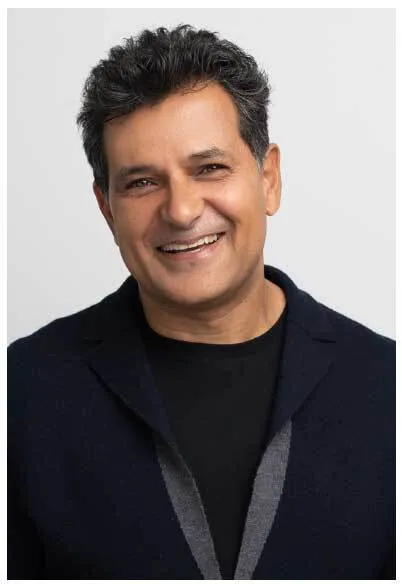
Dr Rahul Doshi is a leading UK cosmetic dentist, entrepreneur and former Clinical Director of Dentex/PortmanDentex, with 25+ years of experience in dentistry and practice growth. As co-founder of Dental Wealth Builder, he helps dentists, practice owners and dental groups build profitable, scalable and high-performing businesses… Know more
Turn This Into a Plan for Your Practice
Reading is a start. The DWB Growth System turns it into a structured, step-by-step plan built around your practice, so you know exactly what to focus on first and why. No generic playbook, no pressure to sign up, just a clear path built for where you are right now.
About the Author
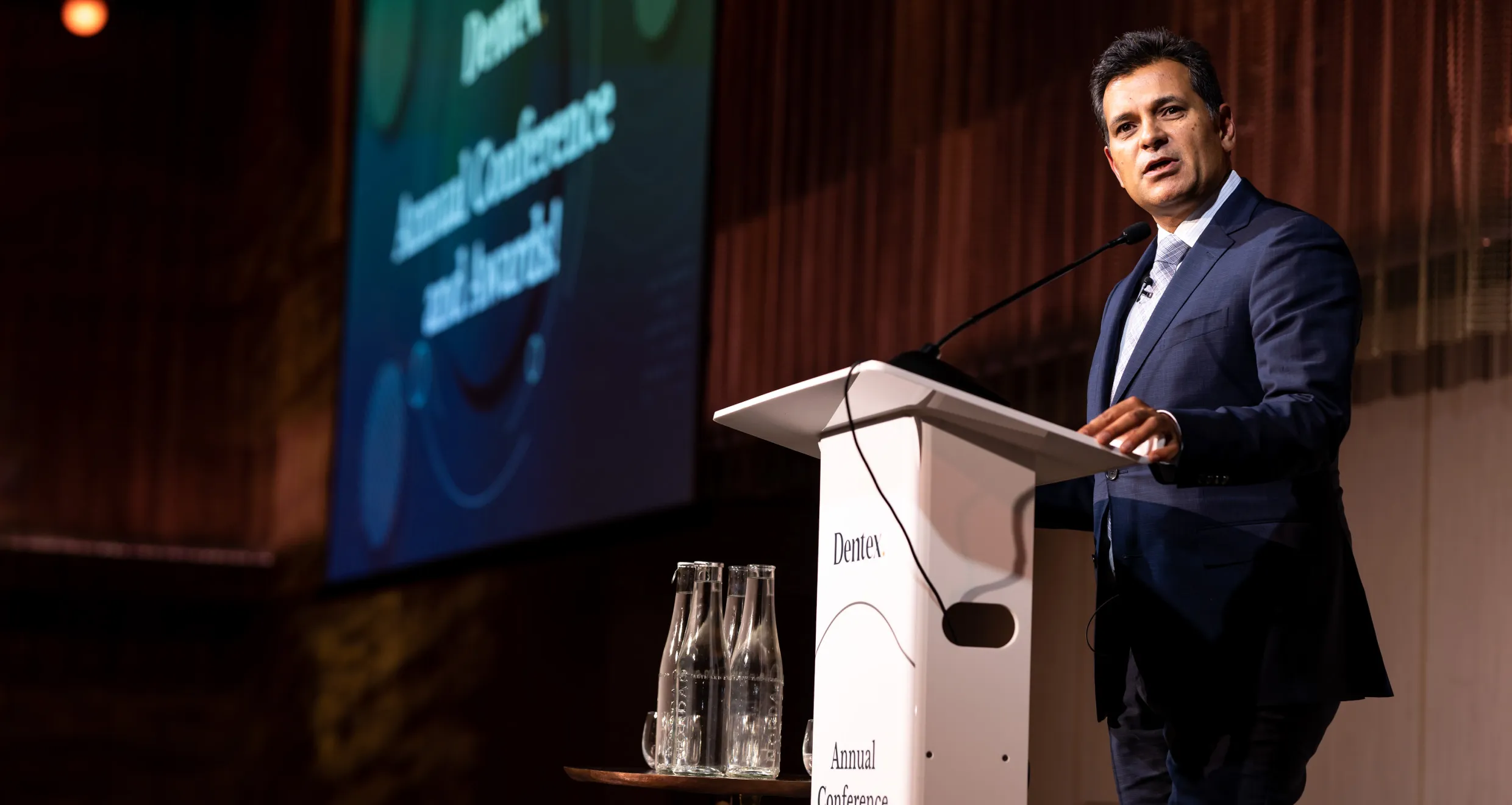
Dr Rahul Doshi
Dr Rahul Doshi, BDS (Lond.), LDSRCS (Eng.), is one of the UK’s most influential figures in cosmetic, comprehensive and business-led dentistry.
Widely recognised as one of the key dentists who helped introduce cosmetic dentistry to the UK over 25 years ago, Rahul is the founder of The Perfect Smile Studios and the Advanced Training Institute, where he trained dentists in Interdisciplinary Comprehensive Dentistry, including smile design, occlusion, treatment planning, full-mouth rehabilitation and advanced restorative care.
His experience extends far beyond clinical dentistry. Rahul has owned, led and scaled multiple award-winning dental practices, giving him first-hand insight into what it takes to build profitable, high-performing and team-led dental businesses. This practical experience now underpins his work with dental practice owners, multi-practice owners and dental groups who want to improve profitability, strengthen systems and scale with greater confidence.
Rahul has held several major leadership positions within the profession. As Clinical Director for Dentex Healthcare and later PortmanDentex, he helped support the growth and scaling of the group from inception to 185 practices, contributing strategic clinical leadership across one of the UK’s major dental organisations. He was also Clinical Director of the monthly dental publication Premium Practice Dentistry and a founding board member of the British Association of Private Dentistry.
A Past President of the British Academy of Cosmetic Dentistry, Rahul has been a long-standing judge for the Private Dentistry Awards and Dental Industry Awards. He has also been voted one of the UK’s Top 50 most influential dentists and recognised by his peers for his outstanding contribution to cosmetic dentistry.
As an inspirational national and international speaker, Rahul has lectured on cosmetic dentistry, smile makeovers, treatment planning, laser dentistry, leadership and practice growth across the UK, United States, UAE, Italy, India, Germany, Sweden and South Africa.
His work and expertise have been featured widely in national and international media, including the BBC, ITV, The Times, Daily Mail, The Guardian, Evening Standard, Marie Claire, Tatler and leading dental publications.
As co-founder of Dental Wealth Builder, Rahul now uses his rare combination of clinical excellence, entrepreneurial experience, multi-practice scaling and large-scale group leadership to help dentists, practice owners and dental groups build more profitable, scalable and rewarding businesses.