How to Recruit Dental Staff: 10 Strategies for Building a Team That Stays

>£225 million
additional profit created across DWB client practices
30 years
experience as owners of group practices
200+
dental practices coached worldwide
A UK dental practice loses far more than a salary when a hire does not work out. There is the cost of re-advertising the role, the agency fee if you go that route, the lost chair time while the seat sits empty, and the strain on the rest of the team who cover the gap. According to the British Dental Association's most recent evidence submission to the Doctors' and Dentists' Review Body, NHS dental vacancy rates sit at 19%, with non-NHS vacancies at 15%. A separate workforce survey across Devon and Cornwall found that 77% of practices had a current staff vacancy of some kind, and 48% specifically had an unfilled dental nurse position. Recruiting dental staff has become one of the hardest parts of running a practice, and it is only getting harder.
Organisational psychologist Edgar Schein argued that the essence of leadership is the management of culture. In a dental practice, that management starts the moment you write a job advert, not the day someone walks in for their first shift. Hiring the right dental nurse, hygienist, associate, or treatment coordinator is not just about filling a rota gap. It is about whether that person will still be with you in three years, contributing to the culture you are trying to build.
Here are 10 strategies for recruiting dental staff who fit, stay, and strengthen the team around them.
Why Recruitment and Culture Are the Same Problem
Culture-first hiring means selecting candidates based on whether their values and working style match your practice, then checking that their clinical skills or experience meet the bar. Most practices do this backwards. They screen for qualifications and availability first, then hope the personality fits once someone starts. By then it is too late to change course without another costly hire.
A GDC registered nurse or a fully qualified hygienist can still be the wrong hire if they clash with how your team communicates, handles pressure, or treats patients. Skills can be trained. Fit is much harder to build after the fact. For more on why this matters beyond hiring, see our piece on why culture eats strategy for breakfast.
1. Hire for Values, Not Just Clinical Skills
Write down the three or four values that actually define how your practice operates day to day. Not the values on your website. The ones that show up when a patient is upset, when the schedule runs over, or when a team member makes a mistake.
Then build simple questions around them for every interview. If patient empathy is a core value, ask a candidate to describe a time they had to calm a nervous or difficult patient, and listen for how they talk about the patient, not just how the situation resolved. If teamwork under pressure matters most, ask about a time a shift went wrong and what they did about it.
Candidates whose answers naturally align with your stated values, without being coached toward the "right" answer, are the ones worth moving forward.
It helps to write these values down as observed behaviours rather than single words. "Teamwork" on its own means little to a candidate or an interviewer. "Steps in to help a colleague without being asked, even when it is not technically your job" gives everyone a concrete standard to interview against and, later, to manage against once someone joins the team.
2. Build a Structured Hiring Process, Not Just a Job Ad
Posting a vacancy and waiting for CVs is not a hiring process. A structured process has defined stages: an initial screening call, a values-based interview, a practical or trial element where possible, and a final decision meeting involving more than one person.
Each stage should have a clear purpose and a simple scorecard, even if it is just three or four questions everyone on the panel answers after each candidate. This removes the temptation to hire the first acceptable person out of desperation, which is one of the most common and expensive mistakes practices make under recruitment pressure.
3. Write a Job Description That Actually Filters Candidates
Most dental job ads read the same: duties, requirements, salary range, and apply here. That produces a flood of applications from people who are not actually a fit and buries the two or three who are.
A better job description does three things. It names the specific role clearly, whether that is a dental nurse with orthodontic experience or a treatment coordinator comfortable with high-value case discussions. It describes your actual culture in plain language rather than corporate phrases. And it states what growth looks like in the role, since career progression is consistently cited as a top reason dental professionals choose one practice over another.
Before your next job ad goes live, check it covers these five things:
- The specific clinical scope of the role, not a generic duty list copied from a template.
- An honest description of the NHS and private mix since this affects both pace of work and earning potential.
- At least one sentence describing how your team actually works together, written the way a current team member would say it, not the way a brochure would.
- A clear note on progression, whether that is additional training support, a path toward a senior role, or exposure to specific treatment areas.
- The practical details candidates actually search for first: hours, salary range, and start date.
Job ads missing three or more of these tend to attract high volumes of poorly matched applicants, which slows the entire process down rather than speeding it up.
4. Communicate Clearly at Every Step
From the job posting through to the final interview, communication should be honest and specific, not vague or overly polished. Tell candidates what a typical day actually looks like. Be upfront about NHS versus private mix, working hours, and any parts of the role that are genuinely demanding.
Candidates who hear a clear, accurate picture and still want the job are far more likely to stay once they experience the reality of it. For more on how communication shapes team performance well beyond recruitment, read 'Communicating with Clarity'.
5. Assess Compatibility With Scenario-Based Interview Questions
Resumes tell you what someone has done. They tell you almost nothing about how someone will behave inside your specific team. Scenario-based questions close that gap.
A few examples worth adapting to your practice:
- Tell me about a time a patient complained about something you were responsible for. What did you do next?
- Describe a moment when you disagreed with a colleague's approach during a busy clinic. How did you handle it?
- If you noticed a teammate was overwhelmed and behind on their tasks, what would you actually do, not what would you say you would do?
- Listen for specifics. Vague or rehearsed answers are a signal worth taking seriously, especially for roles with heavy patient contact.
6. Involve Practice Leadership in Every Final Decision
Delegating the first screen to a practice manager makes sense. Removing yourself entirely from the final decision does not. When leaders sit in on final interviews, two things happen. Candidates take the process more seriously because they can see the role matters to the people running the practice, and leaders get a direct read on whether this person fits the culture they are personally responsible for protecting.
This does not need to slow down hiring. A single thirty-minute final conversation is usually enough to confirm or rule out a candidate the team has already shortlisted.
Keep this final meeting focused on the questions earlier interviewers could not fully answer, rather than repeating the same ground. If the practice manager already confirmed clinical competence, the leader's conversation should probe fit, motivation, and how the candidate talks about the practice's actual patients and reputation, not generic enthusiasm.
7. Widen Your Recruitment Channels Beyond Job Boards
Relying on one general job board limits you to whoever happens to be scrolling that site that week. A wider search usually draws from several channels at once:
- Use dental-specific job boards rather than general recruitment sites, since candidates browsing these already have relevant qualifications and registration.
- Local dental nursing and hygiene training programmes, where tutors often know which students are ready for their first or next role.
- Recruitment agencies that specialise in dental staffing are worth the fee for urgent or hard-to-fill positions even if they are not your default channel.
- Employee referrals, which deserve particular attention. Your current team often knows qualified people who would fit well, and a modest referral bonus is far cheaper than a lengthy agency search.
Social proof and employer branding, through short videos, team stories, or a genuine look at a working day. This attracts candidates who already like what they see before they apply, rather than candidates applying blind to any vacancy that matches their qualifications.
No single channel will consistently produce the right candidate. Running two or three at once, rather than one at a time, is what actually shortens time to hire.
8. Promote From Within Before You Hire Externally
Before posting any new or open role externally, look at whether someone already on your team could grow into it. Promoting from within tells your entire team that growth is possible without leaving, and it lets you fill the role with someone whose fit and reliability you already know firsthand.
This does not mean every role should be filled internally. It means checking first, rather than defaulting to an external search out of habit. Practices that build this into their process consistently report stronger retention across the wider team, since ambitious staff can see a real path forward. If you want a structured way to think about developing your own team into future leaders, our practice coaching programme covers this in depth.
9. Build a Real Onboarding Protocol
A strong hire can still fail in the first ninety days without proper onboarding. A simple thirty-, sixty-, or ninety-day plan solves most of this.
In the first thirty days, focus on introductions, systems training, and shadowing experienced team members. In the next thirty, give the new hire increasing independence with regular short check-ins, not just a single review at the end of the month. In the final thirty, set clear performance expectations and have a genuine conversation about how the role and the practice are matching their expectations so far.
Pairing every new hire with an informal mentor for these first three months, someone other than their direct manager, gives them a low-pressure way to ask questions they might not raise formally.
Weekly check-ins for the first month, moving to fortnightly through months two and three, catch problems early enough to fix them. Waiting for a single ninety-day review to surface issues usually means the new hire has already half decided to leave, or the team has already half decided the hire is not working out, before anyone has said so out loud.
10. Hire Toward the Practice You Are Actually Building
Before your next hire, spend fifteen minutes writing down what your practice looks like in three years. Team size, services offered, patient experience, and reputation. Then ask whether this specific hire moves you closer to that picture or simply fills today's gap.
This reframes recruitment from a reactive task into a deliberate part of practice growth. For a structured way to define and work toward that vision, see how we help practices define their vision.
Red Flags to Watch For When Recruiting Dental Staff
A few warning signs are worth taking seriously even when a candidate otherwise looks strong on paper.
- Vague answers about why they are leaving their current role, especially if the story changes slightly between the screening call and the final interview.
- Difficulty giving a specific example when asked about a challenging patient or colleague interaction, which often points to limited real experience handling pressure rather than nerves.
- Speaking negatively about every previous employer, since one difficult workplace is normal, but a pattern across every past role usually says more about the candidate.
- Reluctance to discuss registration status, indemnity cover, or DBS checks. These should be straightforward conversations, and hesitation here is worth following up on directly rather than letting it slide.
None of these are automatic disqualifiers on their own. Together, or left unexplored, they are exactly the kind of signal that a rushed hiring process misses.
What a Bad Hire Actually Costs Your Practice
The direct costs of a bad hire are easy to see: advertising spend, agency fees, and the salary paid during a role that did not work out. The indirect costs are larger and easier to miss. Every unfilled or poorly filled role adds pressure to the rest of the team, and the British Dental Association's most recent DDRB submission found that 60% of practice owners with vacancies had positions that had been open for more than six months. That is six months or more of a team absorbing extra work, patients experiencing longer waits, and morale slowly eroding.
There is a less visible cost too. Teams that repeatedly absorb the fallout from bad hires start to lose trust in the hiring process itself and in leadership's judgement more broadly. Good staff who feel consistently overloaded by covering for revolving door colleagues are themselves at higher risk of leaving, which turns one bad hire into a wider retention problem.
Getting recruitment right the first time is not just about avoiding a bad outcome. It protects the team you already have.
Build the Team, Not Just Fill the Seat
Recruiting dental staff well is not a single skill you master once. It is a set of habits: defining the role clearly, interviewing for fit as seriously as for competence, involving the right people in final decisions, and following through with real onboarding once someone accepts. Get these right and hiring stops being a recurring emergency and starts becoming one of the most reliable ways you grow your practice.
If you want help building a hiring and onboarding process that fits your specific practice, speak to a coaching advisor about where to start.
Recruiting Dental Staff FAQ
How much does a bad hire cost a dental practice?
Beyond direct costs like advertising and agency fees, a bad hire creates months of strain on the rest of the team, lost productivity during the search for a replacement, and often a dip in patient experience. Practices with long-term unfilled roles, which the BDA found affect 60% of owners with vacancies, feel this most acutely.
What's the difference between hiring for skills and hiring for culture fit?
Skills hiring evaluates whether a candidate can technically perform the role. Culture fit hiring evaluates whether their values, communication style, and way of handling pressure match your team. Clinical skills can usually be trained. Genuine fit is much harder to build after someone has already started.
How long should onboarding take for a new dental team member?
A structured thirty-, sixty-, or ninety-day plan works well for most roles. The first month focuses on systems and shadowing, the second on growing independence with regular check-ins, and the third on setting clear performance expectations and reviewing how the fit is working both ways.
Should a dental practice use a recruitment agency or hire directly?
Both have a place. Direct hiring through referrals and dental-specific job boards is usually cheaper and gives you more control over culture-fit assessment. Agencies can be worth the fee for hard to fill or urgent roles, particularly where a wider or more specialised candidate pool is needed.
What questions should I ask to assess cultural fit in a dental interview?
Scenario-based questions work best. Ask candidates to describe how they handled a difficult patient, a disagreement with a colleague, or a moment when a teammate was struggling. Listen for specific details rather than rehearsed, general answers.
Is it better to promote an existing team member or hire externally for a senior role?
Check internally first. Promoting from within tends to strengthen retention across the wider team and lets you fill the role with someone whose reliability and fit you already know. External hiring makes sense when the specific skills or experience genuinely do not exist within your current team.
What's the biggest mistake dental practices make when recruiting staff?
Hiring under pressure to fill a gap quickly, then skipping steps in the process, such as a proper values-based interview or a second opinion from another team member. This is exactly how a role gets filled twice within a year instead of once.
Sources cited: British Dental Association DDRB 2026/27 evidence submission (bda.org); Mills et al., workforce survey of Devon and Cornwall dental practices (Research Square, 2023).


Categories


Dr Bhavna Doshi is a dental business coach, author, speaker and co-founder of Dental Wealth Builder, with over 30 years of experience in dentistry, practice ownership, leadership and business transformation..Know more
Turn This Into a Plan for Your Practice
Reading is a start. The DWB Growth System turns it into a structured, step-by-step plan built around your practice, so you know exactly what to focus on first and why. No generic playbook, no pressure to sign up, just a clear path built for where you are right now.
About the Author
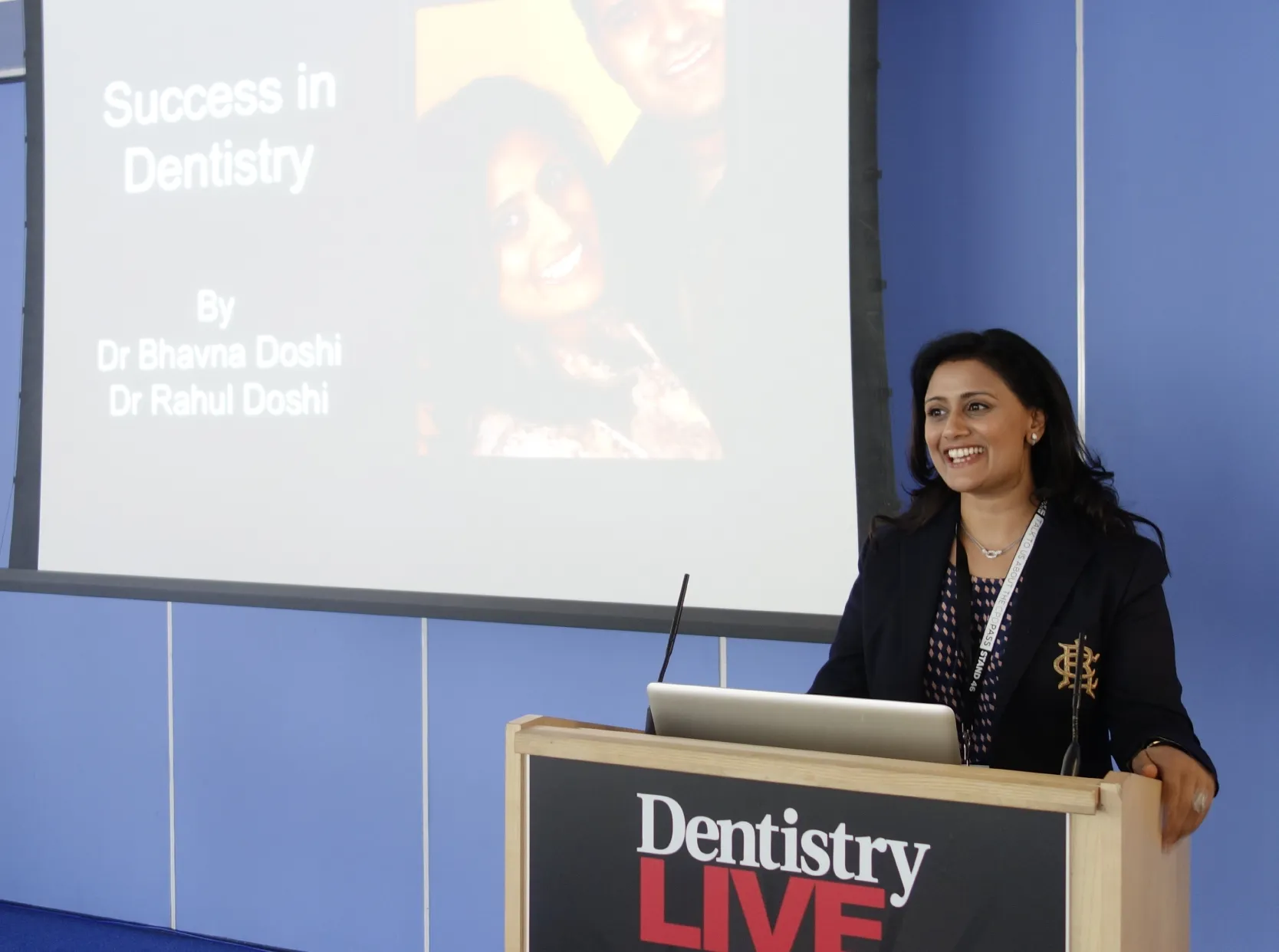
Dr Bhavna Doshi
Dr Bhavna Doshi is a dental business coach, author, speaker and co-founder of Dental Wealth Builder, with over 30 years of experience in dentistry, practice ownership, leadership and business transformation.
Before moving fully into coaching and consultancy, Bhavna built her career as a leading UK cosmetic dental surgeon and co-founder of The Perfect Smile Studios and the Advanced Training Institute. Through this work, she gained first-hand experience of building, leading and growing high-performing dental practices while developing the systems, communication frameworks and leadership strategies now taught through Dental Wealth Builder.
As CEO of Dental Wealth Builder, Bhavna helps associates, practice owners and dental groups increase profitability, improve team performance and create more structured, sustainable growth. Her work focuses on change management, transformational leadership, patient communication, case acceptance, marketing strategy and practical business systems that allow dental practices to grow without becoming more stressful or dependent on the owner.
Bhavna is the bestselling author of Lead to Grow and Dental Alchemy, where she shares practical frameworks for leadership, team alignment and successful business transformation in dentistry. She is also an international keynote speaker and a respected judge for the UK National Private Dentistry Awards, giving her deep insight into the qualities that define successful, award-winning practices.
Her coaching style is built on real-world experience, not theory. Having owned, grown and led dental businesses herself, Bhavna understands the pressures practice owners face and helps them create practices that are more profitable, more organised and more rewarding to lead.
Bhavna has featured in national media including The Times, The Independent, The Guardian, Tatler and Extreme Makeover UK.