How to Hire the Right Dental Staff: Proven Ways to Build Your Team

>£225 million
additional profit created across DWB client practices
30 years
experience as owners of group practices
200+
dental practices coached worldwide
Hiring the right dental staff means choosing people whose values fit your practice culture first, and training their skills second, not the other way around. Get this backwards and you will spend years managing conflict and retraining replacements. Get it right and your team starts running itself.
Edgar Schein, the MIT Sloan professor who spent decades studying organisational behaviour, put it bluntly:
"Leadership is the management of culture."
Nowhere is that truer than in a dental practice, where a single wrong hire touches every patient interaction within weeks, whether that hire is a dental nurse, a receptionist, a hygienist, or an associate dentist.
The pressure to get this right has never been higher. Research cited by Dentists' Provident found that 65% of UK dental practices have had unfilled dentist vacancies, and a separate industry white paper covered by Dental Nursing found that 80% of practices cite a shortage of trained professionals as their number one recruitment problem. Hiring well is not an HR nicety anymore. It is the difference between a practice that grows and one that stalls.

Why Hiring the Right Dental Staff Matters More Than Ever
The intangibles that make someone right for your team rarely show up on a CV or in a first interview. Communication style, culture fit, attitude, and emotional intelligence are all invisible on paper. They only surface once someone is in the room with your patients and your team.
Hiring the right people, in the right way, prevents years of frustration, stress, and wasted resources. The right dental nurse or treatment coordinator in the right role can transform a practice. The wrong one, even a highly skilled one, can quietly erode it. If you want a deeper look at how culture drives every other decision in your practice, our piece on why culture eats strategy for breakfast is worth reading alongside this one.
If building a genuinely values driven team feels like a bigger project than you can tackle alone, our practice coaching and consulting programmes are built specifically to help principals fix recruitment and retention at the system level, not just hire one role at a time.
Here are ten ways in which the Practice Principal can help to maintain or strengthen team dynamics

1. Hire on Values, Not Just Skills
Do not hire people purely on capability or experience. Hire them on their values, because values are what determine how a team member, whether a dental nurse, hygienist, or front desk coordinator, actually shows up for your practice day to day.
Skills can be taught. Experience can be gained over time. But the attitudes that come from someone's core values are very difficult to teach, and almost impossible to force. Before you can hire this way, you need to get clear yourself on the values you want your team to live by. Write them down. Vague culture statements do not help anyone make a hiring decision.
2. Build a Repeatable Hiring Process Before You Need One
This is your protocol before you ever open a vacancy. A well run business systemises its key growth areas, and hiring is one of the biggest. A consistent, values based hiring process makes it far easier for your whole team to learn it, follow it, and trust it.
One practical tip: invite a promising candidate in for a short session watching you work, almost like a job audition. Watching someone in a live working environment tells you far more about their attitude than a formal interview ever will.
Do not rely on a single recruitment channel either. A job board posting alone limits your candidate pool considerably. Dental specific job boards, social media, and local dental schools or training programmes all bring in different types of candidates, and employee referrals often produce the strongest hires of all, since your own team tends to know qualified people who would genuinely fit. A referral hire usually adapts faster, stays longer, and settles into your culture with less friction than a cold applicant.
3. Use Emotional Intelligence in Every Conversation
Active listening is not optional here. You need to genuinely understand what a candidate is looking for. What did they feel was missing from their last role? Why are they ready for a fresh start? What do they actually want their career to look like in five years, whether that's becoming a lead nurse, a practice manager, or eventually a partner?
This is emotional intelligence in practice, not theory. A candidate only opens up and commits to your team once they feel properly understood, and that understanding has to run both ways for the relationship to work long term. For more on getting these conversations right, see our guide on communicating with clarity in your practice.
4. Create a Structured Induction Protocol
A clear induction process helps a new team member fit into the way your practice actually operates, not just the way it says it operates on paper. One tip that works well: assign a "support buddy," someone the new hire can turn to with questions, who also takes some responsibility for training them in their role.
Build an assessment step into your induction system too. People often present differently in an interview than they do once they are actually hired, and a structured induction is where you find that out early rather than six months in. Our overview of DWB systems covers how to build this kind of structure without it becoming bureaucratic.
A good induction protocol usually covers four things: a clear training schedule for the first few weeks, a named mentor or buddy, an introduction to your practice's technology and clinical systems, and a straightforward explanation of compliance and safety expectations, including GDC registration and indemnity requirements for clinical roles. New hires who feel properly supported in those early weeks settle in noticeably faster, and are far more likely to stay with the practice long term rather than drifting off within the first few months.
5. Define the Role Before You Post the Job
Work out the exact role and responsibilities you need from a new team member before you write a single word of the job posting. A dental nurse hire has different non-negotiables than a treatment coordinator or an associate dentist, and clarity at this stage prevents anxiety later and manages expectations on both sides from the first conversation.
A vague posting attracts vague candidates. Be specific about whether you need a dental nurse with implant or sedation experience, or a front desk coordinator who can handle insurance and finance queries under pressure. The clearer the brief, the better the match.
Once the role is defined, build a small set of behavioural questions around it rather than relying purely on qualifications. Questions such as "tell me about a time you handled a difficult patient" or "describe how you have prioritised tasks during a busy clinic session" reveal problem solving skills and professional maturity that a CV never will. Pair these with a short practical assessment where it makes sense: a mock patient call for a receptionist, or a chairside demonstration for a dental nurse. You learn far more from watching someone work through a real scenario than from listening to how they describe their own experience.
Reference checks matter here too, and they are easy to skip when you are under time pressure. Confirm GDC registration, certifications, and previous employment, but also ask direct questions of former employers: was this person dependable, how did they interact with patients, were they punctual, and why did they actually leave. A reference call often surfaces something an interview never will.
6. Hire for Compatibility, Not Just Capability
Do not hire anyone you sense will not fit your team's dynamics, even if their CV is impressive. You are trying to build a culture of honesty, care, integrity, and mutual respect. If a candidate shows signs they will not accommodate those values, spotting that early saves you far more heartache than ignoring it and hoping it works out.
The best way to test this is the same audition idea from point two: invite the candidate in for a working session and watch how they interact with your existing team.
7. Stay Personally Involved in the Hiring Process
Hiring the right person should be a collaborative decision, not a delegated one. The culture you build is so central to your practice's success that the principal dentist needs to stay part of the hiring process, even in a busy practice.
Your practice manager can absolutely narrow candidates down to a shortlist or a second interview. But the final call should not rest entirely on one person's shoulders. Any blind spot in your hiring or assessment process gets amplified when the whole responsibility sits with a single decision maker.
8. Vet Candidates Properly, Including Their Public Presence
Verification is not optional, and it goes beyond checking a CV. Confirm licences, GDC registration where relevant, and previous employment before you make an offer. It is also worth reviewing a candidate's public social media presence as one further data point. You might be surprised by what it reveals about someone's professionalism or how they represent themselves publicly. This is not about snooping. It is one more layer of due diligence alongside the interview, the working session, and the reference calls.
9. Assess Technology and Systems Compatibility
Modern dental practices depend heavily on digital tools: practice management software, digital imaging, electronic health records, and online scheduling. A candidate does not need to know your specific systems inside out, but genuine comfort with dental software in general is a strong predictor of how quickly they will settle in.
Ask candidates directly what systems they have used before and how confident they feel picking up new ones. Someone who adapts quickly to technology usually reduces your training time considerably, and frees up your existing team to focus on patients rather than repeatedly walking a new hire through basic software steps.
10. Promote and Hire From Within First
Where possible, promote from within your existing team before you look externally for senior roles. This maintains stability, because newer team members join at entry level and grow into more senior positions, from dental nurse to lead nurse or practice manager, over time as they prove themselves.
Bringing in a senior hire from outside often disrupts culture and creates imbalance until that person has earned their place, which can take considerable time and effort from everyone around them.
The Real Cost of a Bad Hire
"Wasted resources" is not an abstract phrase. A bad hire in a dental practice typically costs you in four places at once: agency or job board fees to fill the role again, lost chair time and rescheduled patients while the role sits empty or undertrained, the practice manager or principal's own hours spent re-interviewing and re-onboarding, and the quieter cost of existing staff picking up the slack while morale dips.
None of this shows up on a single invoice, which is exactly why it gets underestimated. A rushed replacement hire, made under the same time pressure that caused the first bad decision, often repeats the cycle. This is the real argument for slowing down at the front end of hiring rather than treating it as a task to clear quickly.
Common Hiring Mistakes Dental Practices Should Avoid
Even principals who know all 11 of the points above still fall into a few predictable traps.
- Hiring too quickly. Staffing pressure tempts practices into rushed decisions. A rushed hire nearly always costs more in turnover than the delay of doing it properly would have cost you.
- Delegating hiring entirely. As covered in point seven, handing the whole process to a practice manager without staying involved yourself removes the one perspective that understands your culture best: yours.
- Writing vague job postings. A weak, generic listing attracts weak, generic applicants. Specificity filters for quality before the interview stage even begins.
- Ignoring your existing team's read on a candidate. Your current staff often spot compatibility issues faster than you will, because they are the ones who will actually work alongside the new hire.
- Focusing only on years of experience. Experience does not guarantee professionalism, adaptability, or the right attitude. Some of the best hires come from candidates with less experience but stronger values alignment.
- Neglecting your employer brand. Candidates evaluate your practice just as closely as you evaluate them. Your online reviews, your social media presence, and the way your current team talks about working for you all shape whether a strong candidate accepts your offer or walks toward a competitor instead.
Build a Team That Builds Your Practice
Hiring the right people, in the right way, is one of the most consequential decisions a practice principal makes. It shapes your culture, your patient experience, and ultimately your growth. Get it right consistently and your practice becomes the kind of place the right candidates want to work at before you even post a job.
None of this happens through a single good interview or one lucky hire. It is a system you build deliberately, review regularly, and stay personally involved in, even as your practice grows and it becomes tempting to hand the whole process to someone else. The practices that treat hiring as a core leadership responsibility, rather than an administrative task, are consistently the ones with the strongest teams and the least turnover.
If you want support building a genuinely values driven hiring process for your practice, speak to a course or coaching advisor, or explore our consulting services for practices ready to fix recruitment and retention at a systemic level. We will help you figure out what kind of support is right for you, with no pressure and no commitment.
FAQs on Hiring the Right Dental Staff
What's the biggest mistake dental practices make when hiring staff?
Rushing the process. Staffing pressure pushes many practices into hiring quickly, which usually means choosing the wrong person and paying for it later through turnover and retraining costs.
Should I hire a dental nurse for experience or attitude?
Attitude, in most cases. Clinical skills and software systems can be taught over time. The values and attitudes a person already holds are far harder to change once they are part of your team.
How long should a dental practice's hiring process take?
Long enough to include a working session or trial shadow shift, structured behavioural questions, and reference checks, typically two to four weeks from first interview to offer. Compressing this timeline under staffing pressure is one of the most common causes of a bad hire.
How do I know if a candidate is the right cultural fit?
Watch them in a real working environment before you commit. A short paid trial session, where the candidate shadows you or works alongside your existing team, reveals far more about fit than any interview.
How much does a bad hire actually cost a dental practice?
It adds up across four areas: re-recruitment fees, lost chair time, the principal or manager's own re-hiring hours, and the strain on existing staff covering the gap. Most practices underestimate the true figure because it is spread across several budget lines rather than appearing as one cost.
How do UK labour shortages affect dental recruitment right now?
Significantly. Research cited by Dentists' Provident found 65% of UK practices have had unfilled dentist vacancies, and a separate white paper covered by Dental Nursing found 80% of practices cite a shortage of trained professionals as their top recruitment challenge. Post Brexit changes to the labour market have added further pressure, which makes a strong, repeatable internal hiring process more valuable than ever.
Is it better to promote from within or hire externally for senior roles?
Promoting from within tends to preserve stability and institutional knowledge, and it signals to your whole team that growth within the practice is genuinely possible. External hires can bring fresh perspective and specialist experience you do not already have. Most well run practices use a mix of both, leaning on internal promotion first and looking externally when a role genuinely needs skills nobody on the team currently holds.


Categories


Dr Bhavna Doshi is a dental business coach, author, speaker and co-founder of Dental Wealth Builder, with over 30 years of experience in dentistry, practice ownership, leadership and business transformation..Know more
Turn This Into a Plan for Your Practice
Reading is a start. The DWB Growth System turns it into a structured, step-by-step plan built around your practice, so you know exactly what to focus on first and why. No generic playbook, no pressure to sign up, just a clear path built for where you are right now.
About the Author
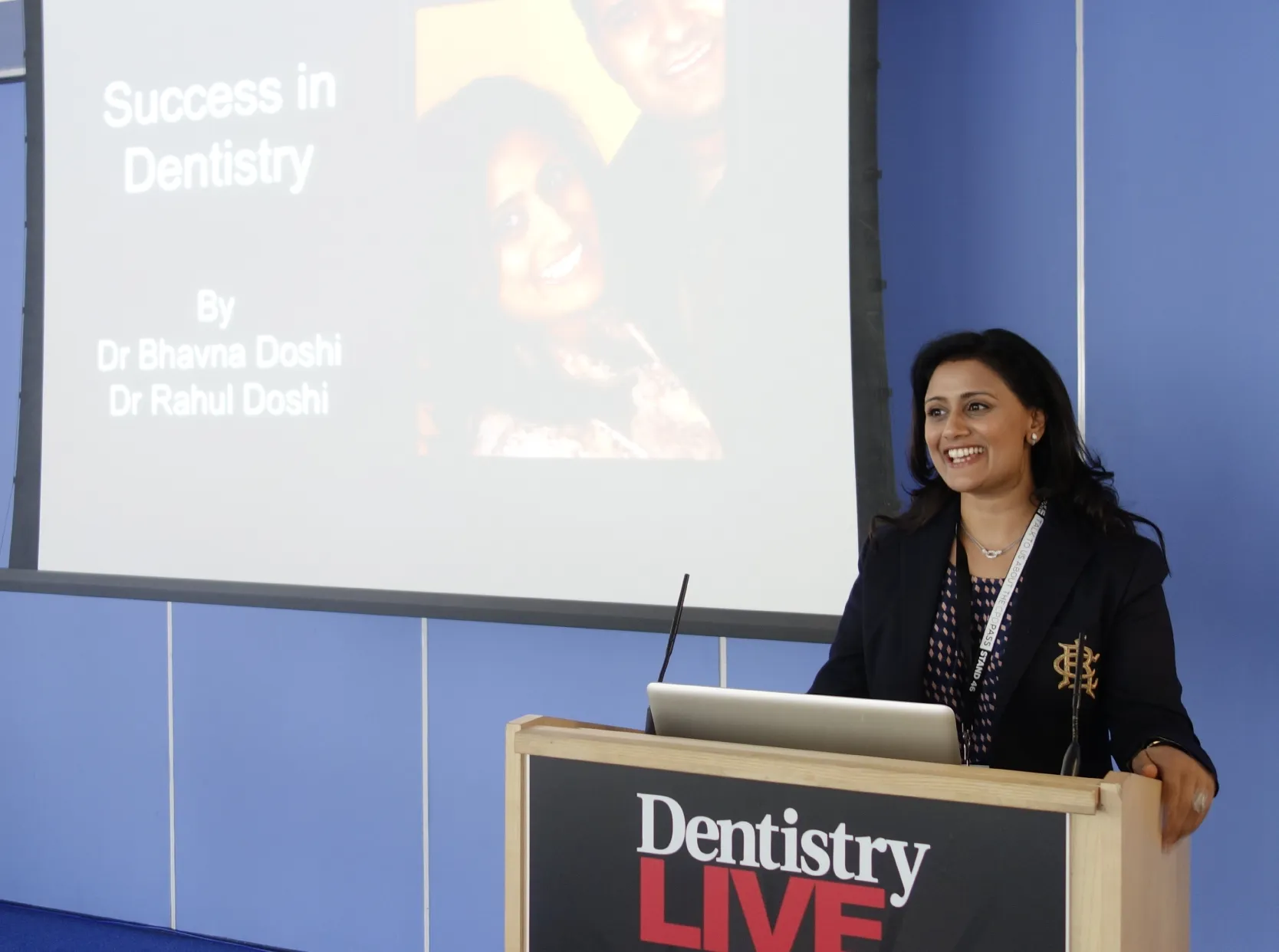
Dr Bhavna Doshi
Dr Bhavna Doshi is a dental business coach, author, speaker and co-founder of Dental Wealth Builder, with over 30 years of experience in dentistry, practice ownership, leadership and business transformation.
Before moving fully into coaching and consultancy, Bhavna built her career as a leading UK cosmetic dental surgeon and co-founder of The Perfect Smile Studios and the Advanced Training Institute. Through this work, she gained first-hand experience of building, leading and growing high-performing dental practices while developing the systems, communication frameworks and leadership strategies now taught through Dental Wealth Builder.
As CEO of Dental Wealth Builder, Bhavna helps associates, practice owners and dental groups increase profitability, improve team performance and create more structured, sustainable growth. Her work focuses on change management, transformational leadership, patient communication, case acceptance, marketing strategy and practical business systems that allow dental practices to grow without becoming more stressful or dependent on the owner.
Bhavna is the bestselling author of Lead to Grow and Dental Alchemy, where she shares practical frameworks for leadership, team alignment and successful business transformation in dentistry. She is also an international keynote speaker and a respected judge for the UK National Private Dentistry Awards, giving her deep insight into the qualities that define successful, award-winning practices.
Her coaching style is built on real-world experience, not theory. Having owned, grown and led dental businesses herself, Bhavna understands the pressures practice owners face and helps them create practices that are more profitable, more organised and more rewarding to lead.
Bhavna has featured in national media including The Times, The Independent, The Guardian, Tatler and Extreme Makeover UK.