Swiftonomics: What Happens When a Pop Tour Moves the Economy

>£225 million
additional profit created across DWB client practices
30 years
experience as owners of group practices
200+
dental practices coached worldwide
Economists have a long tradition of naming phenomena after the thing that exposed them. So it was only a matter of time before someone coined "Swiftonomics", the term that emerged in 2023 to describe the measurable, and in some cases startling, economic impact of Taylor Swift's Eras Tour. It sounds like a novelty concept. However, the data behind it is anything but.
To understand the scale of what we're talking about, start with a single number: £848. That's the estimated average total spend of a Taylor Swift concertgoer in the UK, once you account for tickets, travel, accommodation, merchandise, food and drink, and not insignificantly, the outfit. Multiply that across tens of thousands of attendees per night, across multiple nights in multiple cities, and the cumulative figure becomes something central banks take seriously.
In Edinburgh, three nights at Murrayfield drew nearly 73,000 fans each evening, a record for any concert in Scotland. The estimated injection into the Scottish economy across those three nights alone was £100 million. By the time the UK leg of the tour concluded, total contributions to the British economy were expected to reach approximately £1 billion. Not ticket revenue, economy-wide impact, flowing through hotels, restaurants, transport, retail, and local hospitality businesses that often see years' worth of peak-night trade compressed into a single weekend. It’s a striking example of how large-scale cultural events can reshape regional performance, much like the broader dynamics explored in planning ahead for business success, where anticipating demand shifts becomes critical.

Wembley told a similar story. With nearly 90,000 attendees per night and multiple dates, the concerts were projected to generate over £300 million for London. In Liverpool, hotel prices around the Anfield dates rose by 115%. These aren't rounding errors in a city's GDP; they're genuine short-term economic events, the kind that show up clearly in accommodation and service-sector data the month after they happen.
This pattern wasn't unique to Swift. In 2023, Beyoncé's Renaissance Tour produced comparable effects wherever it landed. Stockholm recorded a 3.3% rise in accommodation and restaurant costs during her run of dates, a figure large enough to register in Sweden's national inflation figures for that period. Paris saw similar pressure. Meanwhile, back in the United States, economists at Bloomberg attributed an estimated $8.5 billion in GDP contribution to the combined cultural forces of both major tours and the Barbenheimer cinema phenomenon. The entertainment industry, in a single summer, moved macroeconomic indicators, reinforcing how external forces can shift financial landscapes in ways similar to those discussed in a structured financial strategy framework.
The most provocative element of Swiftonomics, though, isn't what it did to local hotel prices. It's what it might have done, or threatened to do, to interest rate decisions. When Swift's August Wembley dates fell in proximity to a key UK inflation measurement window, some analysts raised a question that would have seemed absurd five years earlier: could the economic activity generated by a pop concert influence the Bank of England's thinking on rate cuts? Service sector spending, hospitality demand, and consumer price data all feed into the inflation calculus. A concentrated burst of high-spend activity, captured in the measurement window at the wrong moment, could theoretically nudge the numbers in ways that complicate the picture for policymakers.
Whether that influence was material is genuinely uncertain; the Bank of England doesn't publish its Taylor Swift adjustment. But the fact that credible analysts were asking the question at all says something about where we are. Celebrity economic power has historically operated at the level of individual stocks and brands. Elon Musk's tweets have moved Tesla's share price. Kylie Jenner's public criticism of Snapchat wiped $1.3 billion off its market capitalisation in a single day. Those are significant effects, but they're contained, one company, one sector, one news cycle.
What Swiftonomics represents is something broader: the possibility that a single performer's touring schedule could influence national economic data, consumer behaviour patterns, and the decisions of institutions that set the cost of borrowing for millions of people. That's a different order of magnitude, and it warrants being taken seriously as an economic phenomenon rather than filed under celebrity trivia. It also mirrors how concentrated momentum, when aligned correctly, can create outsized impact, a principle often highlighted in discussions around business success with transformational leadership.
There's a structural reason this is happening now rather than thirty years ago. The scale that contemporary global touring achieves: multiple stadium nights in multiple countries, sustained over eighteen months, with a fanbase whose spending behaviour is unusually concentrated and deliberate. It’s historically unprecedented. Previous generations of stadium tours didn't have the same geographic reach, the same merchandise ecosystem, or the same social-media-amplified incentive to make the concert an event rather than just an evening out. The £848 average spend reflects a cultural shift: for many attendees, the Eras Tour wasn't a night at a gig. It was a planned experience, budgeted for, travelled to, and documented. That changes the economic profile of the activity entirely.
The lesson for economists, and arguably for anyone thinking about how cultural events interact with local economies, is that the old model of entertainment as a sideshow to 'real' economic activity no longer holds. When a single artist can inject £100 million into Edinburgh in seventy-two hours, or cause hotel pricing across an entire city to double for a weekend, the entertainment industry has crossed into territory that demands serious economic attention. It’s a reminder that strategic clarity at scale can shift entire markets, not unlike the dynamics explored in balancing KPIs and people strategy.
Swiftonomics isn't really about Taylor Swift. It's about what happens when cultural scale reaches a point where the ripple effects become impossible for policymakers and economists to ignore. She just happened to be the one who made that undeniable.


30 Mar 25
Categories


Dr Bhavna Doshi is a dental business coach, author, speaker and co-founder of Dental Wealth Builder, with over 30 years of experience in dentistry, practice ownership, leadership and business transformation..Know more
Turn This Into a Plan for Your Practice
Reading is a start. The DWB Growth System turns it into a structured, step-by-step plan built around your practice, so you know exactly what to focus on first and why. No generic playbook, no pressure to sign up, just a clear path built for where you are right now.
About the Author
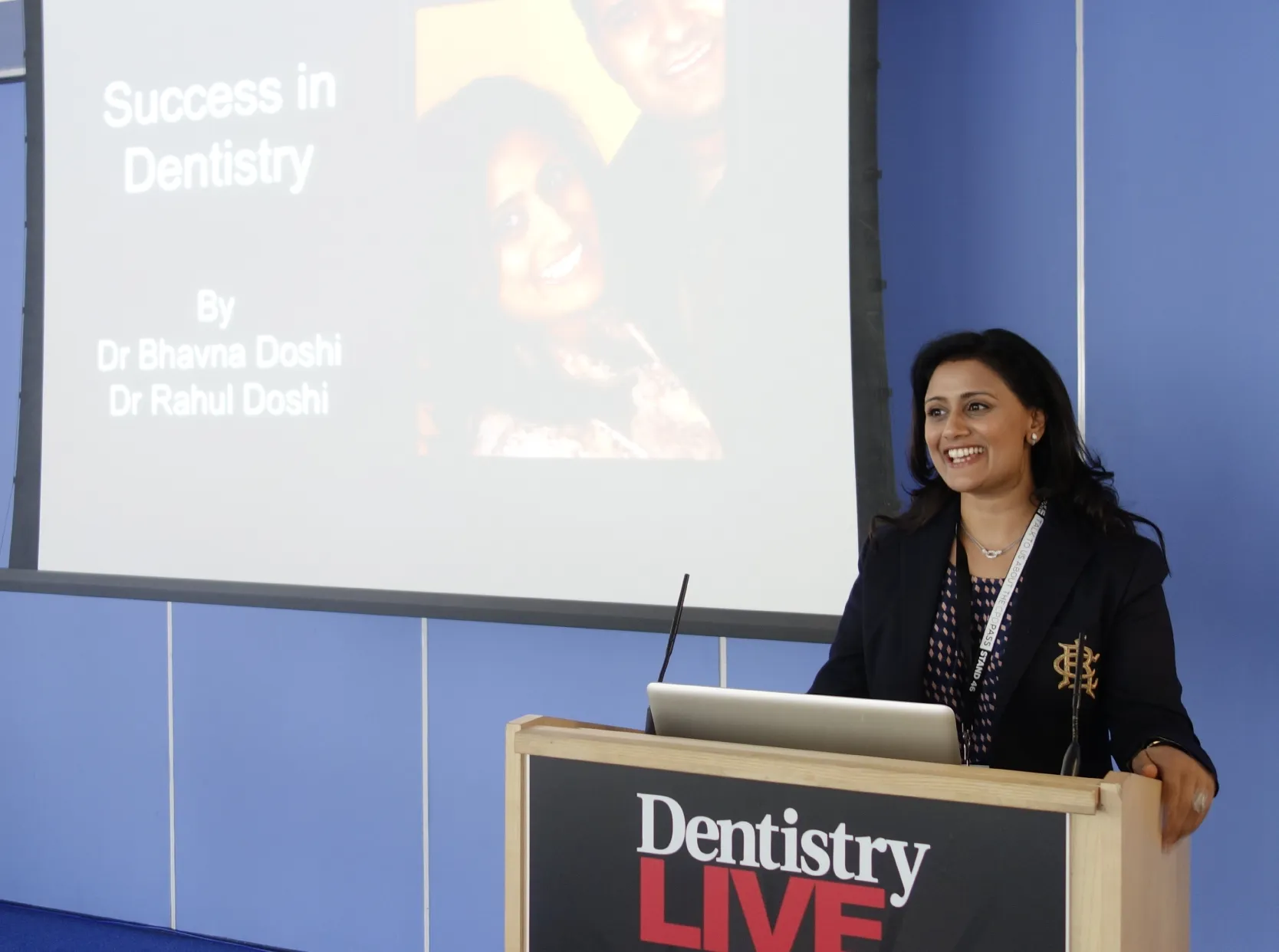
Dr Bhavna Doshi
Dr Bhavna Doshi is a dental business coach, author, speaker and co-founder of Dental Wealth Builder, with over 30 years of experience in dentistry, practice ownership, leadership and business transformation.
Before moving fully into coaching and consultancy, Bhavna built her career as a leading UK cosmetic dental surgeon and co-founder of The Perfect Smile Studios and the Advanced Training Institute. Through this work, she gained first-hand experience of building, leading and growing high-performing dental practices while developing the systems, communication frameworks and leadership strategies now taught through Dental Wealth Builder.
As CEO of Dental Wealth Builder, Bhavna helps associates, practice owners and dental groups increase profitability, improve team performance and create more structured, sustainable growth. Her work focuses on change management, transformational leadership, patient communication, case acceptance, marketing strategy and practical business systems that allow dental practices to grow without becoming more stressful or dependent on the owner.
Bhavna is the bestselling author of Lead to Grow and Dental Alchemy, where she shares practical frameworks for leadership, team alignment and successful business transformation in dentistry. She is also an international keynote speaker and a respected judge for the UK National Private Dentistry Awards, giving her deep insight into the qualities that define successful, award-winning practices.
Her coaching style is built on real-world experience, not theory. Having owned, grown and led dental businesses herself, Bhavna understands the pressures practice owners face and helps them create practices that are more profitable, more organised and more rewarding to lead.
Bhavna has featured in national media including The Times, The Independent, The Guardian, Tatler and Extreme Makeover UK.