Unlocking Your Potential: What Business Coaching Actually Does

>£225 million
additional profit created across DWB client practices
30 years
experience as owners of group practices
200+
dental practices coached worldwide
Running a dental practice is a particular kind of relentless. Patients, associates, compliance, staff dynamics, finances, none of it pauses while you try to think strategically about where the business is going. Most practice owners I work with aren't short of ambition. You don't build a practice from nothing, or take on the responsibility of ownership mid-career, without a serious drive to succeed. The problem isn't wanting more. It's that the daily weight of operations makes it almost impossible to build the clarity and momentum that growth actually requires.
That's the gap professional coaching is designed to close. Not with motivation or theory; those are easy to find and rarely change much on their own. But with something more practical: a structured thinking partner who helps you see your business more clearly, make better decisions under real pressure, and follow through on what matters rather than what's urgent. This is the foundation of effective dental practice coaching, where structured guidance turns ambition into measurable progress.
The most common pushback I hear is: why pay for a coach when there's so much information available? It's a fair question, and the answer is that information was never the bottleneck. Most practice owners already know, in broad terms, what they should be doing differently. The gap is between knowing and doing. And that gap is almost always about clarity, prioritisation, and accountability, not knowledge. A coach doesn't add to what you know. They help you act on it, consistently, in the specific context of your business rather than in the abstract.
The specificity matters more than it might seem. No two practices are in the same position; the clinical mix, the team culture, the financial structure, the owner's personal goals and non-negotiables are all different. Coaching that works starts by understanding those particulars rather than imposing a generic framework on top of them. The strategies that come out of that process are built around your actual constraints and your actual vision, which is why they tend to stick in a way that off-the-shelf advice doesn't.
One of the clearest practical benefits is the compression of the learning curve. Business ownership teaches you a great deal, but it does so slowly and expensively, through mistakes made, opportunities missed, and months spent heading in the wrong direction before someone or something forces a correction. A coach who has navigated the same terrain before, who has already made or observed those mistakes, can short-circuit a significant amount of that. Not by handing you a shortcut, but by helping you recognise which decisions are genuinely novel and which ones have a well-worn answer that you just haven't had access to yet.
Alongside that, coaching builds the capabilities that growth demands before growth arrives. Leadership under pressure, the ability to have difficult conversations cleanly, clear strategic thinking, confident decision-making, these aren't traits you either have or you don't. They're skills, and they develop with the right kind of deliberate practice and feedback. Most clinicians become practice owners without any formal development in these areas. Strengthening these areas is central to a strong transformational leadership framework, where personal growth directly impacts business performance. The gap shows up later: in how meetings run, in how underperformance gets handled, in how the owner responds when two urgent things collide at once. Working on these capabilities while running the business, rather than waiting until something breaks, is where the compounding effect of coaching shows up most clearly.
Goal-setting is another area where the difference between coached and uncoached owners tends to be stark. Ambitious people are generally good at articulating where they want to end up. The harder skill is translating that into a sequenced plan with realistic timelines, clear milestones, and an honest account of what has to happen first before the bigger things become possible. Without that structure, ambition generates frustration more reliably than it generates progress. With it, the same ambition becomes traction, because you're working on the right things in the right order, rather than attempting everything at once and advancing on none of it. This sequencing is often grounded in a clearly defined practice growth strategy, ensuring expansion is deliberate rather than reactive.
When the business hits a friction point, a team that isn't performing, a growth plateau, cash flow that doesn't make sense, a decision that keeps getting deferred, a coach provides something that's genuinely hard to find elsewhere: objective perspective, at speed, from someone who understands your context. It's difficult to think clearly about a problem when you're inside it, when your identity is tied to the outcome, and when the pressure to act is high. An external voice that knows the business, asks the right questions, and helps you see the options you've stopped noticing has a disproportionate effect in those moments.
Accountability is perhaps the most underestimated part of the coaching relationship. The gap between what people intend to do and what they actually do is rarely about capability or desire. It's about the absence of a structure that makes follow-through feel inevitable rather than optional. Regular check-ins, honest conversations about what moved and what didn't, and clear commitments to what happens next: these create a rhythm that most business owners simply don't build for themselves. When someone who knows your business expects progress and will ask directly about it, focus sharpens in a way that good intentions alone can't produce. Many owners first explore this shift when considering the broader benefits of business coaching, particularly around accountability and sustained execution.
What the best coaching relationships produce, over time, is a different kind of operator. Not someone who works harder (most practice owners are already working as hard as is sustainable) but someone who works with more intent. Clearer on what the business needs at each stage. More deliberate about how time and energy get allocated. Steadier under pressure because the thinking has been done in advance rather than in the middle of the crisis. The external engagement that coaching provides gradually becomes an internal capability, which is when the real value compounds.
The practices that grow well and stay healthy aren't usually the ones where the owner is the most talented clinician, or the most experienced businessperson, or the most naturally gifted leader. They're the ones where the owner has found a way to keep developing, to stay genuinely curious about how the business works, to address problems before they calcify, and to build systems and people around them that don't depend entirely on their own availability. Coaching is one of the most direct routes to that. Not because it provides answers, but because it builds the thinking that generates better answers, applied consistently, over time.


Categories


Dr Bhavna Doshi is a dental business coach, author, speaker and co-founder of Dental Wealth Builder, with over 30 years of experience in dentistry, practice ownership, leadership and business transformation..Know more
Turn This Into a Plan for Your Practice
Reading is a start. The DWB Growth System turns it into a structured, step-by-step plan built around your practice, so you know exactly what to focus on first and why. No generic playbook, no pressure to sign up, just a clear path built for where you are right now.
About the Author
Dr Bhavna Doshi
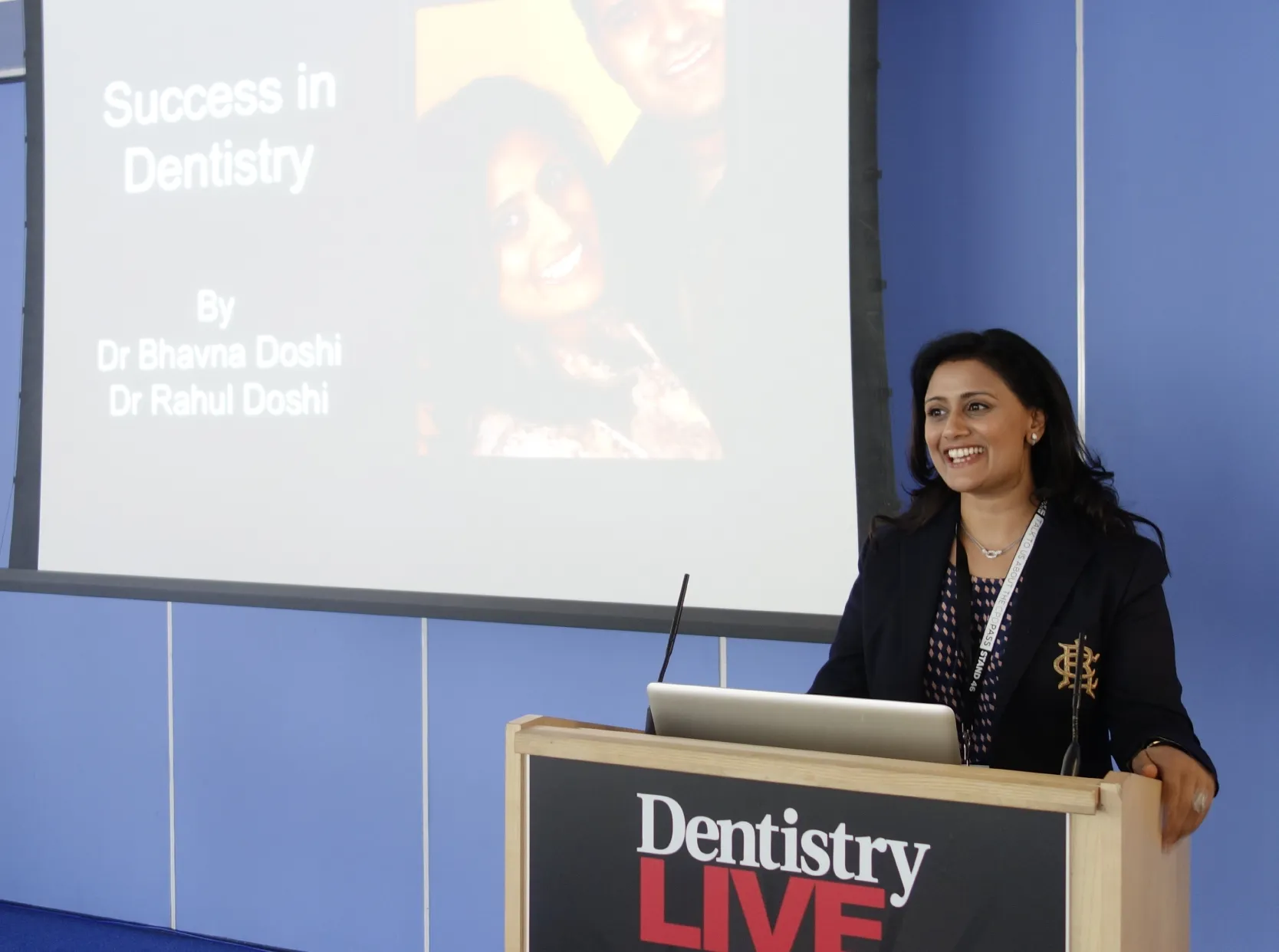
Dr Bhavna Doshi is a dental business coach, author, speaker and co-founder of Dental Wealth Builder, with over 30 years of experience in dentistry, practice ownership, leadership and business transformation.
Before moving fully into coaching and consultancy, Bhavna built her career as a leading UK cosmetic dental surgeon and co-founder of The Perfect Smile Studios and the Advanced Training Institute. Through this work, she gained first-hand experience of building, leading and growing high-performing dental practices while developing the systems, communication frameworks and leadership strategies now taught through Dental Wealth Builder.
As CEO of Dental Wealth Builder, Bhavna helps associates, practice owners and dental groups increase profitability, improve team performance and create more structured, sustainable growth. Her work focuses on change management, transformational leadership, patient communication, case acceptance, marketing strategy and practical business systems that allow dental practices to grow without becoming more stressful or dependent on the owner.
Bhavna is the bestselling author of Lead to Grow and Dental Alchemy, where she shares practical frameworks for leadership, team alignment and successful business transformation in dentistry. She is also an international keynote speaker and a respected judge for the UK National Private Dentistry Awards, giving her deep insight into the qualities that define successful, award-winning practices.
Her coaching style is built on real-world experience, not theory. Having owned, grown and led dental businesses herself, Bhavna understands the pressures practice owners face and helps them create practices that are more profitable, more organised and more rewarding to lead.
Bhavna has featured in national media including The Times, The Independent, The Guardian, Tatler and Extreme Makeover UK.